By Interestana AI Editorial — AI-drafted, human-overseen. How we report
Trump May Defer Iran Policy Decisions to Successor
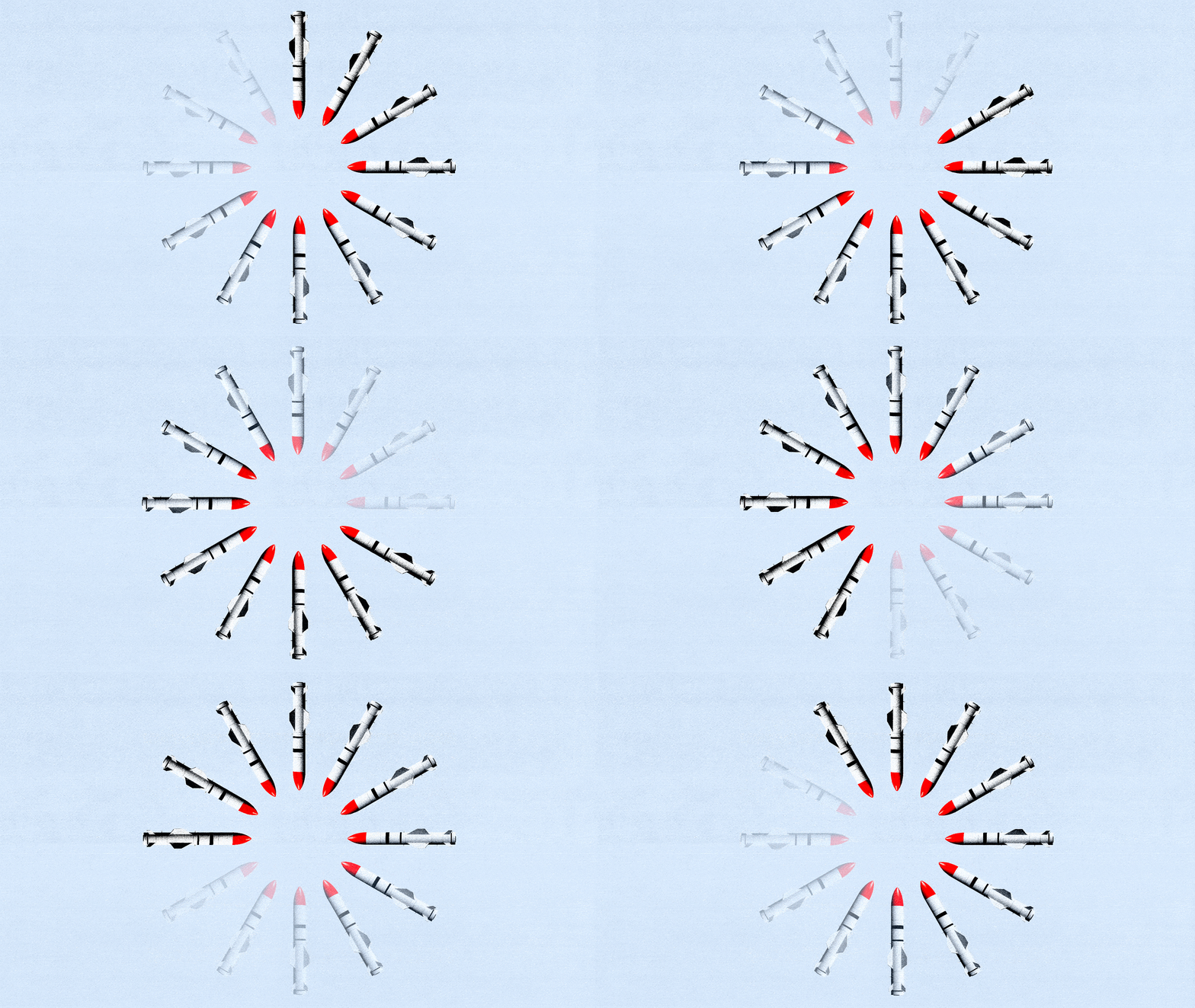
Donald Trump could strategically defer definitive policy decisions regarding Iran, thereby positioning his successor to inherit the complexities and potential fallout of the situation. This approach would allow Trump to avoid direct responsibility for outcomes, whether positive or negative, that may arise from ongoing geopolitical tensions and Iran's nuclear program. By not committing to a specific course of action during his potential term, Trump could insulate himself from criticism and maintain flexibility, while placing the onus on the next administration to navigate the intricate diplomatic and security challenges. This strategy is particularly relevant given the persistent international concerns surrounding Iran's nuclear ambitions and its regional influence.
The potential for Trump to leave the "Iran mess" to his successor is rooted in a political calculus that prioritizes avoiding blame and maximizing strategic advantage. If tensions escalate or if Iran makes significant advancements in its nuclear capabilities, the subsequent administration would be the one facing public scrutiny and the immediate pressure to respond. Conversely, if a period of relative calm or a diplomatic breakthrough were to occur, the credit might still be indirectly linked to the groundwork laid during a previous administration, or the successor could be credited with skillful management. This tactic allows for a degree of plausible deniability and avoids locking into potentially unpopular or ineffective policies.
Furthermore, the international landscape surrounding Iran is multifaceted, involving numerous global powers and regional actors, each with their own interests and agendas. Navigating these relationships requires sustained diplomatic effort and a clear, consistent policy framework. By not establishing such a framework, Trump would be leaving a vacuum that his successor would be compelled to fill, potentially under duress. This could involve re-engaging with international partners, such as the European Union, on issues like the Joint Comprehensive Plan of Action (JCPOA), or charting an entirely new diplomatic course. The effectiveness of any successor's approach would thus be heavily influenced by the starting point inherited from the previous administration's inaction or ambiguity.
The implications of such a deferral extend beyond immediate policy. It could signal a broader approach to foreign policy challenges, where immediate, decisive action is avoided in favor of a more reactive or delegative stance. This would be a significant departure from the more interventionist or unilateral tendencies sometimes associated with previous Trump administration foreign policy. The successor would not only have to contend with the substance of Iran policy but also with the perception of instability or indecisiveness that such a handover might create on the global stage. The international community would likely be watching closely to see how the next U.S. administration chooses to engage with Iran, and whether it adopts a more collaborative or confrontational posture.
Original source — read the full reporting at the publisher:
Read on The AtlanticGet the weekly AI digest
AI news + new model releases, weekly. Drafted by our agents, reviewed by humans.