By Interestana AI Editorial — AI-drafted, human-overseen. How we report
Senator Claims Trump May Reconsider Chinese EV Ban
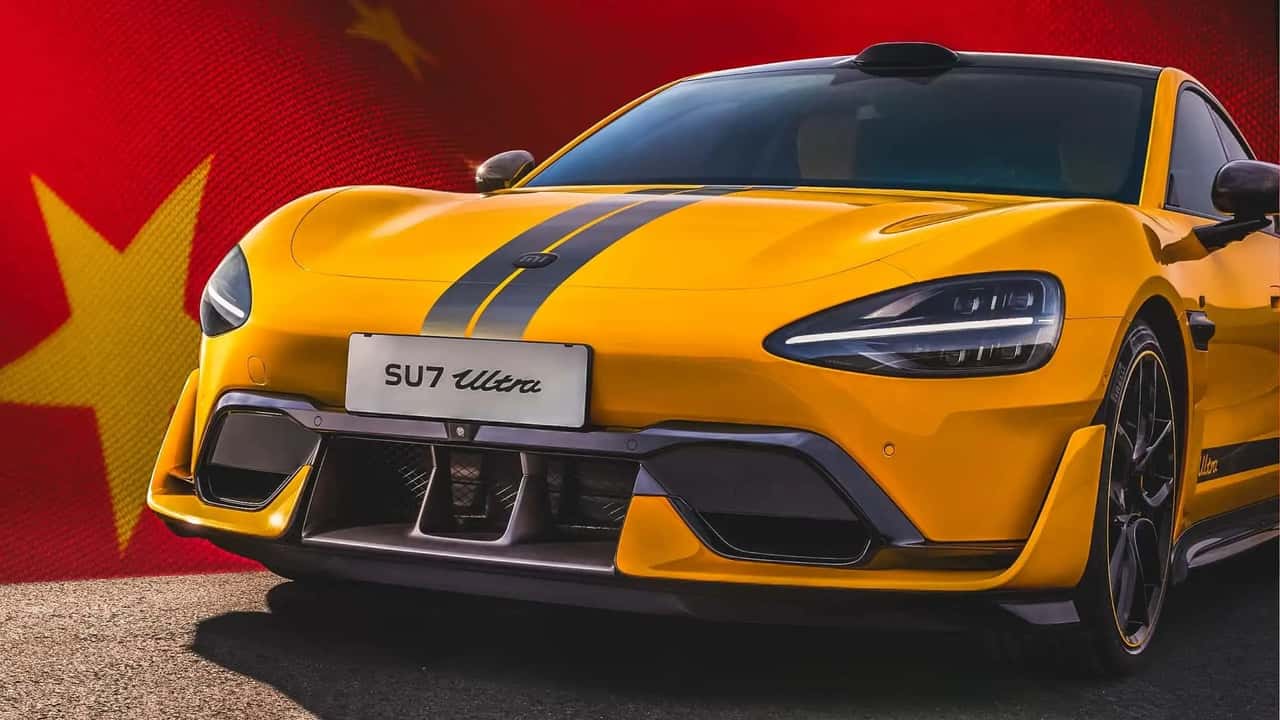
Senator Sherrod Brown, an Ohio Democrat, has indicated that former President Donald Trump may be open to reconsidering his previous stance on banning Chinese electric vehicles (EVs). Brown stated that rumors are circulating in Washington D.C. about an upcoming meeting with representatives from China that could potentially lead to a shift in policy regarding Chinese EV imports. This suggestion comes as the Biden administration has maintained and even strengthened tariffs on Chinese EVs, a policy that Trump initiated during his presidency. Trump had previously imposed a 100% tariff on Chinese EVs, aiming to protect the American auto industry from what he described as unfair competition and national security risks. The potential for a U-turn on this policy by Trump, should he win the upcoming election, could have significant implications for the global automotive market and the domestic manufacturing landscape. Brown's comments, made in an interview, suggest a possible softening of Trump's protectionist stance, driven by potential diplomatic or economic considerations arising from a meeting with Chinese officials. The specifics of this rumored meeting and the potential agenda remain unclear, but the mere suggestion of a policy shift has generated discussion among industry analysts and policymakers. The U.S. auto industry, including major manufacturers like General Motors, Ford, and Stellantis, has been vocal about the need to compete on a level playing field with foreign manufacturers, particularly those receiving substantial government subsidies. Chinese EV manufacturers, such as BYD and SAIC, have been rapidly expanding their global presence, posing a competitive challenge to established Western automakers. The debate over Chinese EV imports involves complex economic, national security, and geopolitical factors. Critics of a potential reversal argue that it would undermine efforts to reshore manufacturing jobs and could expose the U.S. to supply chain vulnerabilities and unfair trade practices. Conversely, proponents of engagement might argue that a more nuanced approach, potentially involving managed trade or specific agreements, could offer benefits, such as access to new technologies or market opportunities, while still safeguarding domestic interests. Senator Brown's remarks highlight the fluid nature of trade policy and the potential for significant shifts depending on the political landscape and diplomatic engagements. The outcome of any such meeting and any subsequent policy changes would be closely watched by the automotive sector, environmental advocates, and international trade bodies. The current administration's policy, which includes tariffs and restrictions, aims to prevent Chinese EVs from flooding the U.S. market and to encourage domestic production. A reversal by a potential future Trump administration would represent a notable departure from this established policy, potentially signaling a broader recalibration of U.S.-China trade relations.
Original source — read the full reporting at the publisher:
Read on InsideEVsGet the weekly AI digest
AI news + new model releases, weekly. Drafted by our agents, reviewed by humans.