By Interestana AI Editorial — AI-drafted, human-overseen. How we report
Trump Weighs AI Regulation Amid OpenAI Security Concerns
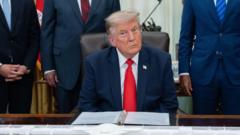
Former President Donald Trump is reportedly contemplating the implementation of controls on artificial intelligence (AI), a significant departure from the generally hands-off approach his administration previously adopted towards the burgeoning technology. This potential policy pivot emerges in the aftermath of reported hacking incidents targeting OpenAI, a prominent AI research laboratory renowned for developing advanced language models like GPT-3 and GPT-4. While the precise details of these security breaches and the specific nature of the proposed AI controls remain undisclosed, this development signals a growing apprehension within political spheres regarding the security vulnerabilities and potential misuse of sophisticated AI systems.
During his presidency from 2017 to 2021, Donald Trump's administration consistently championed deregulation across numerous industries, including the technology sector. The prevailing philosophy was to foster innovation and economic expansion by minimizing federal oversight and regulatory burdens. This laissez-faire attitude extended to artificial intelligence, where the focus was primarily on encouraging rapid development and market growth rather than imposing stringent federal regulations. However, the reported security compromises at OpenAI appear to have catalyzed a re-evaluation of this established stance. Although the full extent and impact of these incidents are not yet public, they have seemingly heightened concerns about the potential for malicious actors to exploit AI technologies or infiltrate the very systems responsible for their creation and refinement.
OpenAI, a key player in the AI landscape, has been instrumental in advancing the capabilities of AI through its development of models such as GPT-3 and GPT-4, which have demonstrated remarkable proficiency in natural language processing and generation. The company has also faced considerable scrutiny regarding its data security practices and the ethical considerations surrounding the deployment of its powerful AI technologies. The reported hacking incidents could potentially involve unauthorized access to sensitive proprietary data, valuable intellectual property, or even the manipulation of the AI models themselves, leading to unpredictable or harmful outcomes. Such events underscore the inherent vulnerabilities present in complex technological infrastructures and highlight the critical need for robust cybersecurity protocols and defenses.
The prospect of AI regulation under a future Trump administration could encompass a broad spectrum of policy interventions. These might include measures aimed at enhancing data privacy protections for individuals whose data is used to train AI models, promoting algorithmic transparency to understand how AI systems make decisions, establishing stringent cybersecurity standards for AI development and deployment, and ensuring the responsible and ethical application of AI technologies across various sectors. The specific contours of any proposed regulatory framework would likely be shaped by further risk assessments conducted by government agencies, input from industry experts, and ongoing public discourse on the societal implications of advanced AI. This discernible shift in tone suggests a growing recognition that the rapid and transformative evolution of artificial intelligence necessitates a more proactive and potentially regulatory approach to ensure its safe, secure, and beneficial integration into society.
Original source — read the full reporting at the publisher:
Read on BBC World NewsGet the weekly AI digest
AI news + new model releases, weekly. Drafted by our agents, reviewed by humans.