By Interestana AI Editorial — AI-drafted, human-overseen. How we report
Trump Mocks EV Drivers, Claims 'Disease' Amidst Global Electrification Push
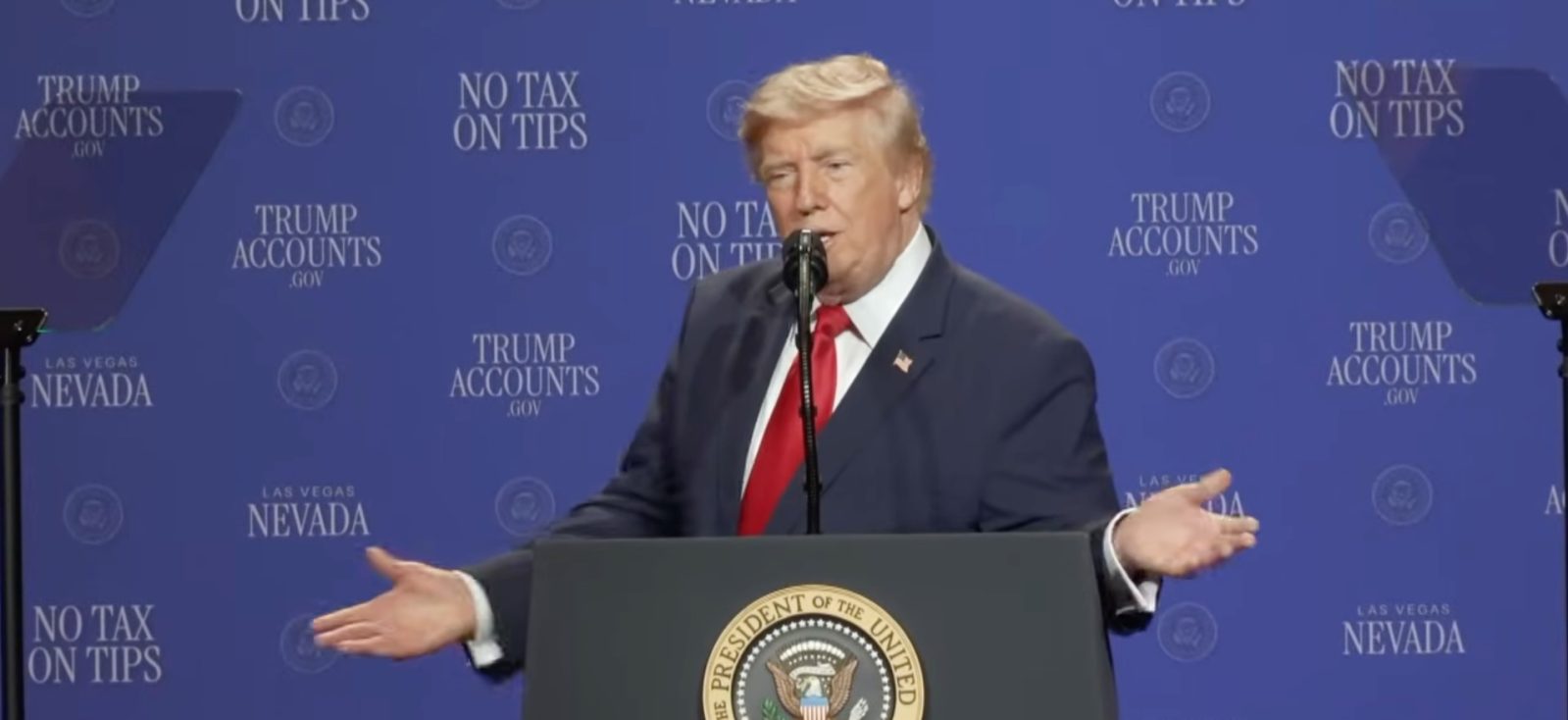
During a rally in Las Vegas on Wednesday night, former President Donald Trump launched into a broad critique of electric vehicles (EVs), making disparaging remarks about their owners. He asserted that drivers of EVs suffer from a "disease," seemingly referring to concerns about driving range, a common consideration for consumers evaluating the practicality of electric transport. Trump also claimed credit for having "ended the electric mandate," a statement that misrepresents the current regulatory landscape. While no single federal "electric mandate" for consumers exists in the United States, the Biden administration has set ambitious goals for EV adoption and has supported policies aimed at increasing their market share, such as tax credits for EV purchases and investments in charging infrastructure. Trump's administration had previously sought to roll back fuel economy standards, which indirectly impacts the push for more efficient and electric vehicles.
Amidst his critical remarks, Trump did accurately state that the EV "take rate" – the percentage of new vehicle sales that are electric – in the United States is approximately 7%. However, he presented this statistic with a tone of pride, a perspective that stands in stark contrast to the rapid and widespread global momentum towards electric mobility. Many nations and major automotive manufacturers are not only promoting but are actively investing billions of dollars in the development and production of electric vehicles. Companies like General Motors, a historic American automaker, and Ford, another titan of the industry, have committed substantial financial resources to electrify their lineups, aiming for a significant portion of their future sales to be electric by the end of this decade. This global transformation is being propelled by a confluence of factors, including growing awareness of environmental issues and the urgent need to combat climate change by reducing carbon emissions from the transportation sector. Technological advancements, particularly in battery technology, have made EVs more viable and appealing to consumers. Furthermore, governments worldwide are implementing supportive policies, such as direct subsidies, tax credits, and increasingly stringent emissions standards for internal combustion engine vehicles, to accelerate EV adoption. The European Union, for instance, has set a landmark target to phase out the sale of new gasoline and diesel cars by 2035, signaling a definitive commitment to electrification. Despite Trump's rhetoric, the global trend towards electric transportation continues to gain speed, supported by ongoing expansion of charging infrastructure and increasing consumer interest in sustainable transportation alternatives. The 7% EV take rate in the U.S., while lower than some other developed nations, represents a notable increase from previous years, indicating a growing acceptance and demand for electric vehicles among American consumers, even as challenges related to charging availability and initial purchase price remain.
Original source — read the full reporting at the publisher:
Read on ElectrekGet the weekly AI digest
AI news + new model releases, weekly. Drafted by our agents, reviewed by humans.