By Interestana AI Editorial — AI-drafted, human-overseen. How we report
Trump's Policies Complicate Fed Rate Cut Hopes
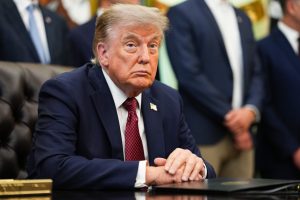
President Trump's campaign for lower interest rates in the United States is facing significant headwinds, with the Federal Open Market Committee (FOMC) likely to hold or even increase interest rates at its upcoming meeting. Wall Street analysts widely anticipate that the FOMC will maintain current rates, a decision influenced in part by Trump's foreign policy initiatives. The FOMC, under the leadership of Chairman Kevin Warsh, is scheduled to convene on Tuesday and Wednesday to assess progress toward its dual mandate of maximum employment and 2% inflation. The inflation target has proven challenging for the Federal Reserve in recent years. Current inflation stands at 3.5%, a decrease from May to June but still above the Fed's objective and the beginning of the year. A substantial contributor to this elevated inflation has been a 15.7% year-over-year increase in fuel prices. Although inflationary pressure in the energy sector has begun to recede, with a 4.9% decrease from May to June, prices remain high due to ongoing geopolitical tensions in the Middle East, which are disrupting global oil supply. The conflict in the Middle East, specifically concerning control of the Strait of Hormuz, a critical oil shipping route, has created uncertainty. While active military conflict between Washington and Tehran has paused, no official ceasefire has been announced. This fragile pause allows for diplomatic engagement, but neither side has signaled a willingness to concede control over the Strait of Hormuz. Consequently, Trump's foreign policy is directly impeding Warsh's ability to pursue interest rate cuts. Analysts at Bank of America, including chief U.S. economist Aditya Bhave, have indicated that their base case for the July FOMC meeting is a rate hold. They note that with markets pricing in nearly 10 basis points of hikes in July, Chairman Warsh faces a dilemma: not hiking could undermine the Fed's credibility on inflation, while raising rates would contradict his approach of looking past supply shocks. This situation highlights the complex interplay between geopolitical events, energy markets, inflation, and monetary policy decisions by the Federal Reserve. The Fed's commitment to its inflation target is paramount, and any deviation could have significant implications for market expectations and economic stability. The current environment suggests that the path to lower interest rates, a stated goal of the Trump administration, is becoming increasingly difficult due to factors beyond the direct control of the central bank, but significantly influenced by executive foreign policy.
Original source — read the full reporting at the publisher:
Read on FortuneGet the weekly AI digest
AI news + new model releases, weekly. Drafted by our agents, reviewed by humans.