By Interestana AI Editorial — AI-drafted, human-overseen. How we report
Study Links Climate Change to Canadian Wildfires
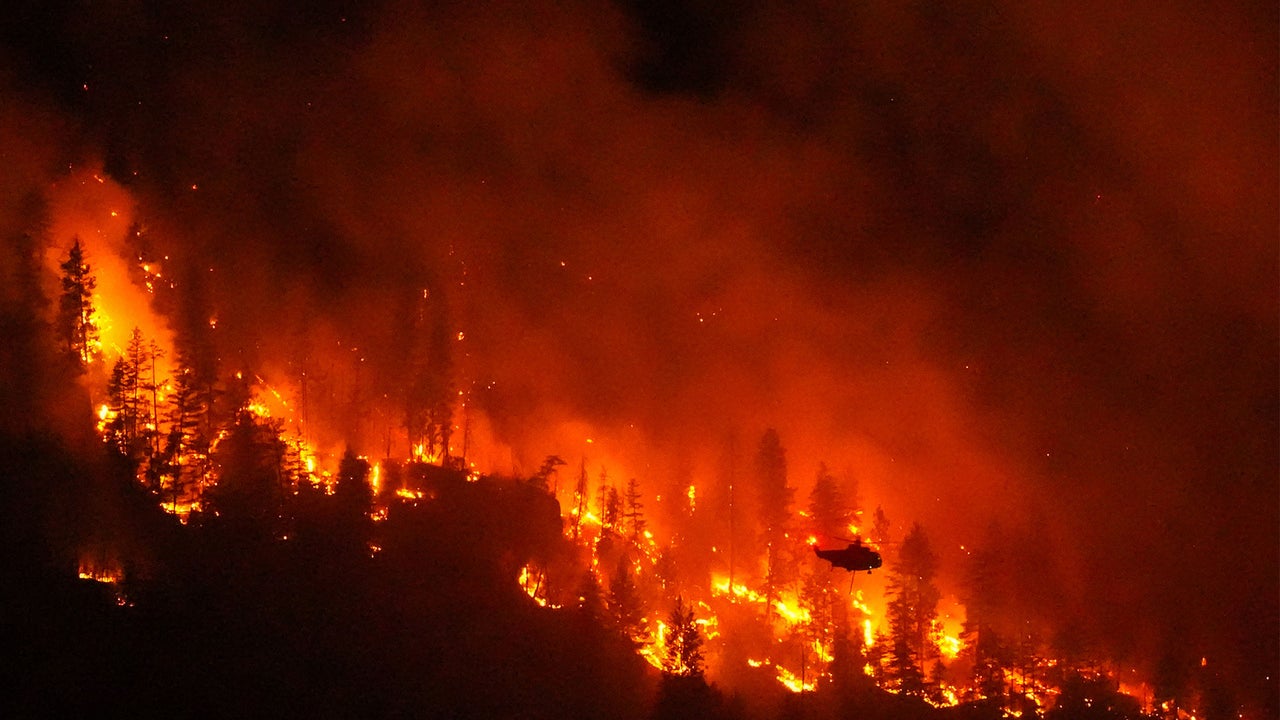
Human-caused climate change doubled the likelihood of the tinderbox weather conditions that sparked Canada’s massive summer wildfires in 2023, according to a study released on Thursday by World Weather Attribution. This international group of scientists examines extreme weather events to identify the influence of climate change. The study suggests that U.S. President Donald Trump, who had blamed Canada for poor fire management and expressed frustration over the resulting smoke affecting the United States, should consider the role of historical emissions from countries like the U.S. in contributing to global warming. Fire and climate scientists indicated that the United States’ significant historical emissions of heat-trapping gases from the burning of coal, oil, and gas are a key factor. The fire weather conditions observed in the Northwest Territories and northwestern Ontario, while unusual, were made twice as probable by global warming. The World Weather Attribution team previously found similar climate change impacts on summer fires in France, though the fingerprint was less pronounced than for Spanish fires, which were calculated to be 20 times more likely due to climate change. The rapid nature of this study means it has not yet undergone peer review. Researchers focused on weather conditions linked to large wildfires, specifically heat, lack of rain, humidity, and wind, using a Canadian index for these factors. By comparing current conditions to a hypothetical world without the 2.5 degrees Celsius (1.4 degrees Fahrenheit) of warming that has occurred since the industrial age and the widespread burning of fossil fuels, the scientists determined that the frequency of such fire-conducive weather events has doubled. The report indicates that the weeklong weather conditions leading to the fires in Ontario are now occurring approximately every six years. In a pre-industrial climate, such events would have been much less likely, perhaps occurring only once in a lifetime, underscoring the significant impact of climate change in making these events more probable. The study's methodology involved analyzing meteorological data and comparing it to climate model simulations to isolate the influence of anthropogenic warming on extreme weather patterns. The findings contribute to a growing body of scientific evidence linking increased frequency and intensity of wildfires to global climate change, a phenomenon driven by the accumulation of greenhouse gases in the atmosphere from human activities, primarily the combustion of fossil fuels. The implications of these findings extend to policy discussions regarding climate mitigation and adaptation strategies, as well as international cooperation on environmental issues. The study's rapid turnaround highlights the increasing demand for timely scientific assessments of extreme weather events in the context of a changing climate.
Original source — read the full reporting at the publisher:
Read on Fast CompanyGet the weekly AI digest
AI news + new model releases, weekly. Drafted by our agents, reviewed by humans.