By Interestana AI Editorial — AI-drafted, human-overseen. How we report
Trump Criticizes Minnesota Over Iran Condemnation
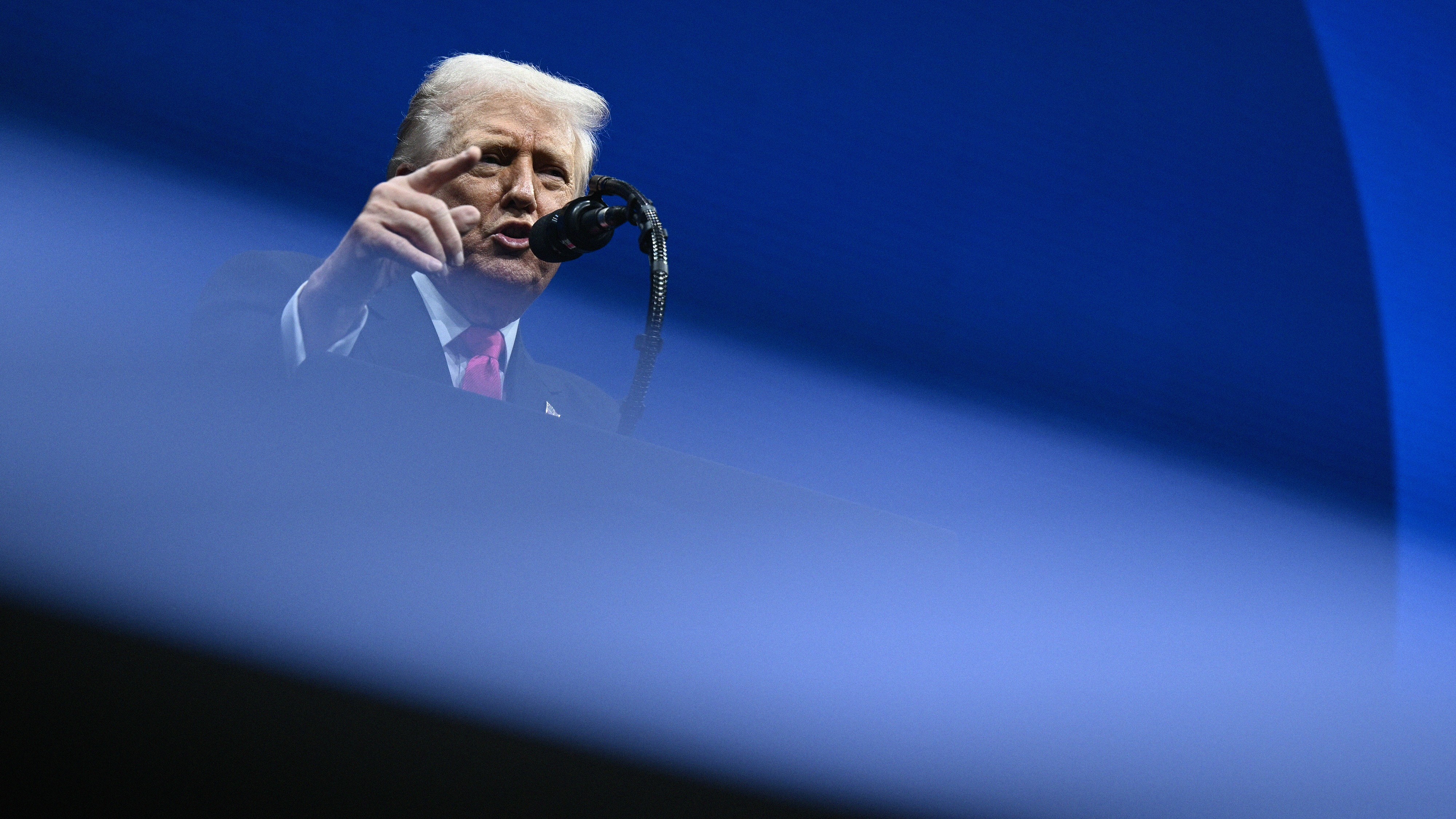
Former President Donald Trump has publicly criticized the state of Minnesota, drawing a parallel between its actions and the human rights record of Iran. Speaking at a rally in Grand Rapids, Michigan, on March 16, 2024, Trump stated that he would rather condemn Minnesota than Iran. He specifically referenced a resolution passed by the Minnesota House of Representatives on March 14, 2024, which condemned the human rights abuses committed by the Iranian regime. Trump characterized the Minnesota resolution as a "disgrace" and suggested that the state's focus on Iran's human rights issues was misplaced, implying that Minnesota itself was a greater cause for concern. This statement comes as Trump continues his campaign for the Republican presidential nomination, often employing strong rhetoric against both domestic and international entities. The Minnesota House resolution, which passed with a vote of 126-4, urged the U.S. government to impose sanctions on Iran and to support the Iranian people's right to self-determination. The resolution detailed various human rights violations attributed to the Iranian government, including the suppression of women's rights, persecution of religious minorities, and the use of torture and arbitrary detention. Trump's remarks suggest a divergence in foreign policy priorities and a willingness to use domestic political issues to criticize states or regions he deems to be acting inappropriately. His "America First" platform has historically emphasized national interests and often involved questioning international agreements and alliances. In this instance, Trump appears to be leveraging a specific legislative action in Minnesota to underscore his broader political messaging. The context of his comments in Grand Rapids, Michigan, places them within a series of campaign events aimed at galvanizing his base and differentiating himself from political opponents. The Minnesota House resolution itself was a bipartisan effort, reflecting a broader consensus in the U.S. Congress regarding concerns about Iran's human rights situation. However, Trump's reaction highlights a potential for his foreign policy approach to diverge from established bipartisan consensus, particularly when domestic political considerations are involved. The former president's criticism of Minnesota's resolution on Iran's human rights record underscores his tendency to frame international issues through a lens of perceived national weakness or political correctness, often prioritizing direct criticism of domestic entities he believes are misaligned with his "America First" agenda. This approach has been a hallmark of his political career, influencing his stance on various global and domestic matters.
Original source — read the full reporting at the publisher:
Read on The AtlanticGet the weekly AI digest
AI news + new model releases, weekly. Drafted by our agents, reviewed by humans.