By Interestana AI Editorial — AI-drafted, human-overseen. How we report
Trump Halts Iran Strikes Amid Deal Talks
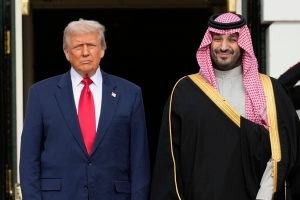
President Donald Trump announced on Saturday evening via social media that he would refrain from ordering new strikes against Iran, citing an emerging agreement with Mideast allies aimed at ending the five-month conflict. Trump stated that this potential deal includes the "Immediate, Complete, and Total OPENING OF THE HORMUZ STRAIT, and an end to Iran’s nuclear threat." He indicated his agreement to cancel planned attacks, contingent on the ability to rapidly finalize a "DEAL" for the "future benefit of the WORLD and, likewise, the survival of a successful and prosperous Iran." Israel has reportedly agreed to collaborate with the U.S. in pursuing this agreement with Iran to conclude the ongoing war.
Earlier on Saturday, Saudi Crown Prince Mohammed bin Salman, the de facto leader of Saudi Arabia, expressed concerns to President Trump during a phone call regarding the potential for the U.S. to escalate the conflict with Iran. This discussion, initially reported by Axios, occurred as Trump was deliberating on whether to authorize further strikes. According to an individual briefed on the conversation, Saudi officials are worried that U.S. strikes targeting Iran's energy or other critical infrastructure could prompt retaliatory attacks by Tehran against the energy infrastructure of Saudi Arabia and other Gulf nations. The Crown Prince sought clarification from Trump about the specific new actions being considered against Iran. A White House official, speaking anonymously and not authorized for public comment, confirmed the leaders' conversation on Saturday but provided no details regarding its content.
Saudi Arabia had recently joined the U.S. in conducting strikes against multiple logistics and weapons sites utilized by Iranian-backed militias operating in Iraq. This action was part of a broader regional engagement. The context of these developments includes a protracted period of tension and conflict involving Iran and its proxies, which has significantly impacted regional stability and global energy markets. The Strait of Hormuz, a vital chokepoint for global oil shipments, has been a focal point of these tensions, with threats of disruption having a substantial impact on international trade and prices. The potential reopening of this strait, as claimed by President Trump, would represent a significant de-escalation and a positive development for global economic stability. The involvement of key regional players like Saudi Arabia in brokering such a deal underscores the complex diplomatic efforts underway to manage the escalating crisis. The specific terms of the "emerging deal" and the extent of Iran's commitment to ending its nuclear program remain to be fully detailed, but the announcement signals a potential shift in U.S. policy and a move towards diplomatic resolution.
Original source — read the full reporting at the publisher:
Read on FortuneGet the weekly AI digest
AI news + new model releases, weekly. Drafted by our agents, reviewed by humans.