By Interestana AI Editorial — AI-drafted, human-overseen. How we report
Trump, Rubio Allies Vie for Cuba Assets Post-Regime
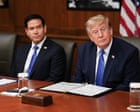
Allies of Donald Trump and Senator Marco Rubio are actively maneuvering to gain control over key assets in Cuba, anticipating a potential collapse of the current communist regime. This strategic positioning is occurring against a backdrop of escalating United States sanctions that have driven numerous foreign companies out of the island nation. The increasing pressure campaign, described by Secretary of State Marco Rubio as having "no escape valves," is designed to cripple Cuba's economy and force political change. These efforts are creating lucrative opportunities for a network of Washington and Florida insiders, including billionaire Trump associates, lobbyists connected to Rubio, and Cuban exiles. These individuals are charging significant fees to advise clients on navigating the complex and expanding web of sanctions, while simultaneously preparing for potential business ventures should the Cuban government fall.
The current economic climate in Cuba has led to the departure of a multitude of foreign businesses this summer. Companies such as Spanish hotel chains, a Canadian mining firm, and European shipping giants have been compelled to exit the market. Even major financial services like Visa and Mastercard have suspended transactions within Cuba, reflecting the severe impact of the sanctions. The U.S. Treasury Department has implemented broad secondary sanctions, which pose substantial risks to foreign entities engaging with Cuba. These measures are part of an unprecedented pressure campaign aimed at isolating the Cuban government and its economy. The financial and operational challenges faced by these foreign entities underscore the effectiveness of the U.S. strategy in limiting external support for the Cuban regime.
This intense focus on Cuba's future economic landscape is not solely driven by political objectives but also by significant financial interests. The insiders involved are not only facilitating client navigation of sanctions but are also actively positioning themselves for future investments and acquisitions. The prospect of a post-communist Cuba presents a vast array of potential business opportunities, ranging from the privatization of state-owned enterprises to the redevelopment of infrastructure and the re-establishment of international trade relations. The lobbying efforts and advisory services offered by these groups are designed to secure preferential access and advantageous terms in such a future scenario. The intricate network of influence and financial planning highlights the complex interplay between foreign policy, economic strategy, and private enterprise in the context of geopolitical transitions.
The escalating sanctions and the strategic positioning of various stakeholders signal a critical juncture for Cuba. The U.S. administration's sustained pressure, coupled with the proactive engagement of private sector interests, suggests a concerted effort to reshape the island's political and economic future. The involvement of prominent political figures and their associated networks underscores the high stakes involved in this complex geopolitical and economic chess game. As Cuba faces increasing isolation and economic hardship, the international community and various private entities are preparing for potential shifts in power and the subsequent redistribution of economic influence and assets on the island.
Original source — read the full reporting at the publisher:
Read on The Guardian WorldGet the weekly AI digest
AI news + new model releases, weekly. Drafted by our agents, reviewed by humans.