By Interestana AI Editorial — AI-drafted, human-overseen. How we report
US Energy Secretary Defends Venezuela Oil Deal
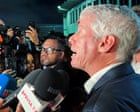
United States Energy Secretary Chris Wright has refuted allegations that the U.S. intends to seize significant quantities of Venezuelan oil, asserting that a recently established energy deal represents a "transformation" of bilateral relations. Wright directly responded to a CNBC journalist's question about whether the U.S. was employing "heavy-handed" tactics to "take" Venezuelan oil, which could potentially contravene the South American nation's constitution, by stating, "Absolutely not." This defense comes amidst escalating criticism surrounding a proposed energy agreement between former President Donald Trump and Venezuela's interim leadership.
The controversy centers on the potential implications of this energy deal, with critics suggesting it could be a form of "gunpoint diplomacy," implying coercion in securing access to Venezuela's vast oil reserves. Venezuela, a nation endowed with some of the world's largest proven oil reserves, has experienced prolonged economic and political instability, leading to a complex international dynamic regarding its natural resources. The U.S. has historically been a significant importer of Venezuelan crude, but relations have been strained by political sanctions and internal Venezuelan affairs.
Wright's statements aim to clarify the U.S. government's position, emphasizing that the objective is not appropriation but rather a strategic realignment of energy partnerships. The specific terms of the energy deal, including the volume of oil to be acquired, pricing mechanisms, and the duration of the agreement, remain subjects of intense scrutiny. The "transformation" of relations, as described by Wright, suggests a broader diplomatic and economic engagement beyond mere resource acquisition. This could encompass technical assistance, infrastructure development, or other forms of cooperation aimed at stabilizing Venezuela's energy sector and its economy.
The political context of this deal is also significant, given its association with former President Donald Trump. Any major energy agreement involving a country like Venezuela is likely to be subject to intense political debate within the United States, particularly concerning national security, foreign policy objectives, and economic implications. The criticism leveled against the deal highlights concerns about potential exploitation of a nation in distress and the ethical considerations of engaging with its interim leadership. Wright's defense is an attempt to frame the agreement as a mutually beneficial arrangement that could contribute to regional stability and energy security, while also navigating the delicate political landscape surrounding U.S.-Venezuela relations.
Original source — read the full reporting at the publisher:
Read on The Guardian WorldGet the weekly AI digest
AI news + new model releases, weekly. Drafted by our agents, reviewed by humans.