By Interestana AI Editorial — AI-drafted, human-overseen. How we report
Trump Agrees to Stricter Ethics Rules for Crypto Bill
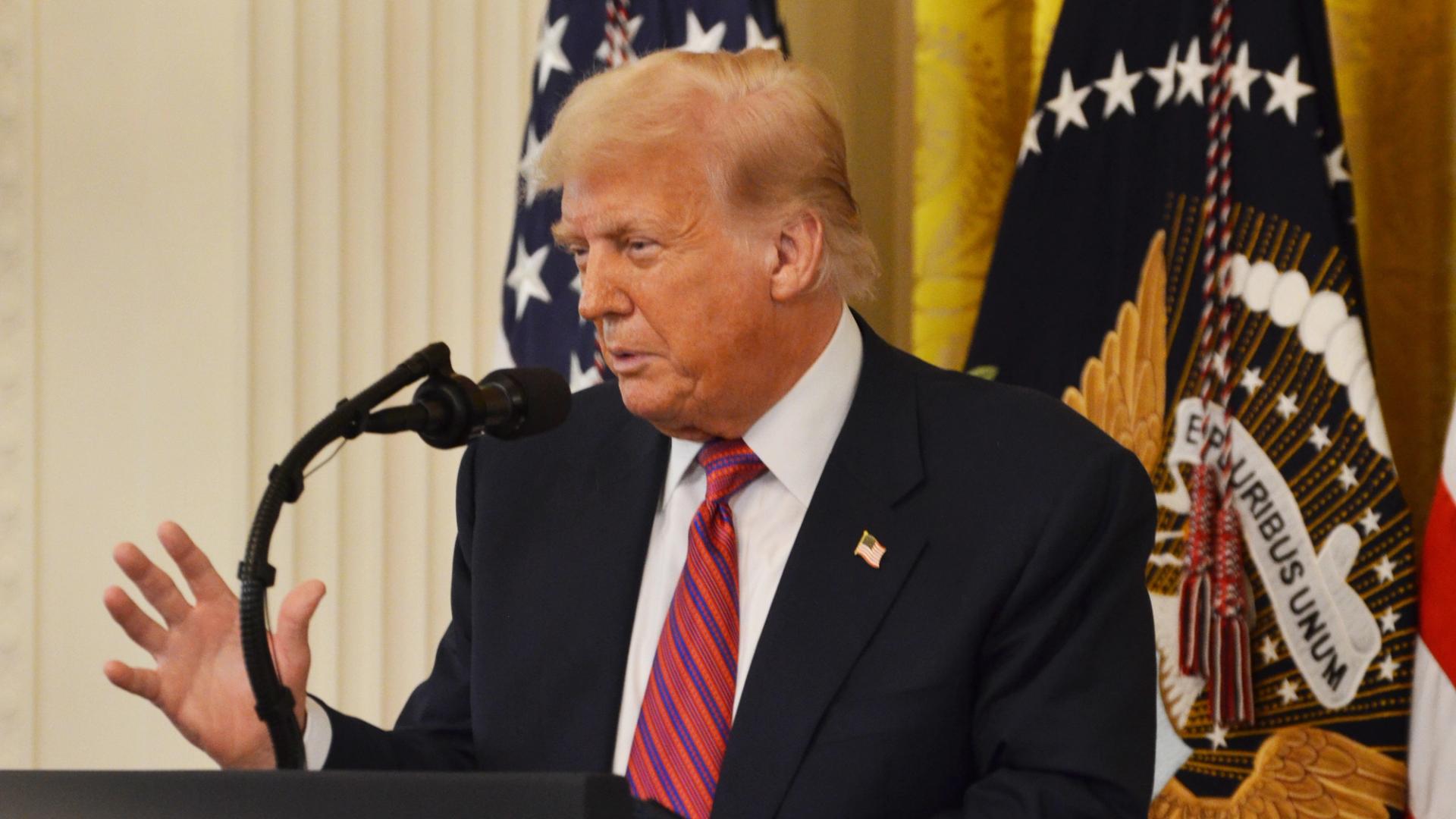
President Donald Trump has agreed to a package of stricter ethics rules and expanded state-level enforcement powers, a move intended to secure crucial Senate votes for the Clarity Act, a significant piece of legislation concerning the cryptocurrency industry. This agreement marks a pivotal moment in the bill's legislative journey, indicating a potential pathway for its passage through Congress. The proposed ethics rules are designed to address concerns about potential conflicts of interest among officials involved in regulating the digital asset sector, aiming to bolster public trust and ensure fair market practices. By incorporating these concessions, the Trump administration signals a willingness to compromise to achieve its legislative objectives for the crypto market.
The Clarity Act itself is a comprehensive bill that seeks to establish a clearer regulatory framework for cryptocurrencies in the United States. While the specific details of the bill's provisions are extensive, its core aim is to provide regulatory certainty for businesses operating within the digital asset space, foster innovation, and protect investors. The inclusion of state-level enforcement powers suggests a collaborative approach between federal and state authorities in overseeing the burgeoning crypto industry, potentially leading to more tailored and responsive regulation across different jurisdictions. This aspect of the bill could be particularly important given the varied approaches states have already taken in regulating financial technologies.
Sources indicate that the agreement was facilitated through negotiations aimed at overcoming opposition from key senators who had raised objections regarding the ethical implications and regulatory oversight of the proposed legislation. The inclusion of enhanced conflict-of-interest provisions is a direct response to these concerns, aiming to create a more transparent and accountable regulatory environment. The success of these negotiations highlights the complex interplay between political maneuvering, industry lobbying, and public policy in shaping the future of financial technology. The path forward for the Clarity Act now depends on the full Senate's consideration and potential vote, with these newly agreed-upon ethics rules serving as a critical component of its revised proposal.
The broader implications of the Clarity Act, should it pass, could significantly impact the U.S. cryptocurrency market. A well-defined regulatory landscape is often seen as a catalyst for increased institutional investment and broader consumer adoption. By addressing ethical concerns and establishing clearer enforcement mechanisms, proponents of the bill hope to position the United States as a leader in digital asset innovation while mitigating potential risks. The agreement reached by President Trump underscores the evolving stance of political leadership towards the cryptocurrency sector, moving from skepticism to a more proactive engagement in shaping its regulatory future.
Original source — read the full reporting at the publisher:
Read on CoinDeskGet the weekly AI digest
AI news + new model releases, weekly. Drafted by our agents, reviewed by humans.