By Interestana AI Editorial — AI-drafted, human-overseen. How we report
Trump Administration Considers Airfare Rule Changes
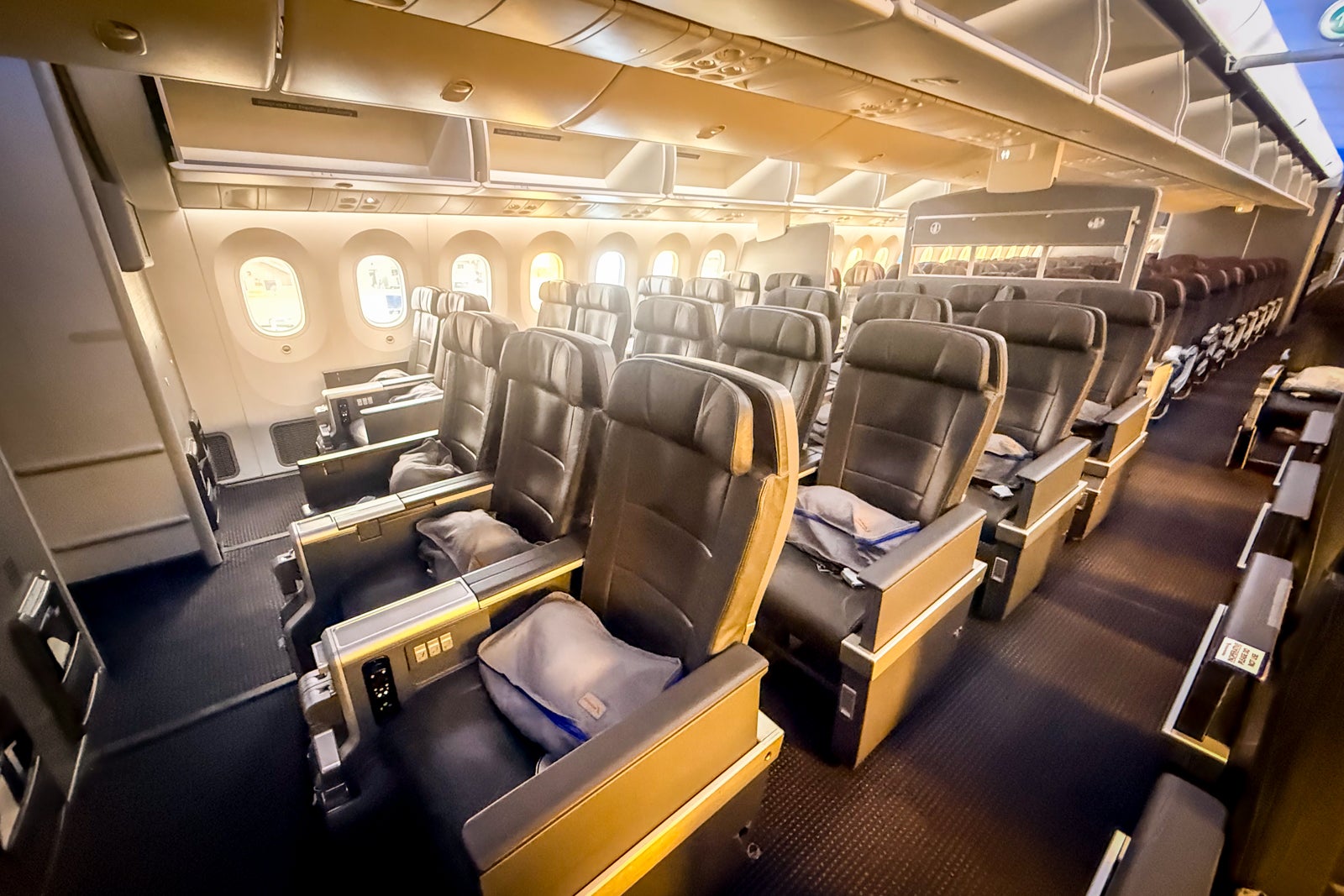
The Trump administration is considering changes to an Obama-era regulation concerning the display of airfare prices, a move that could grant airlines greater flexibility in how they present the total cost of a flight to consumers. The U.S. Department of Transportation is evaluating a rule that currently dictates that the initial price shown to travelers must encompass the base fare, taxes, and mandatory fees. This existing regulation, implemented in the early 2010s, aimed to enhance transparency by requiring airlines to prominently display the full ticket price, making it easier for consumers to compare options and understand the total cost of a flight before encountering "optional" add-ons.
Industry analyst Henry Harteveldt has cautioned that potential adjustments to this rule could necessitate consumers undertaking more diligent research to fully comprehend the breakdown of their ticket costs. The Department of Transportation is exploring not only minor tweaks to the current display requirements but also a more significant potential repeal of a 15-year-old regulation. This older regulation specifically mandates that carriers must present the complete ticket price upfront to potential buyers. The current practice, as exemplified by carriers like Delta Air Lines, involves showing a base fare alongside all applicable taxes and required fees in a prominent manner, with optional charges like checked bag fees presented separately and less conspicuously.
The proposed changes by the Trump administration would allow airlines more discretion in how they structure and present these pricing components. While the exact nature and scope of the final rule remain under consideration, the intention appears to be a relaxation of the stringent upfront pricing disclosure requirements. This could lead to a scenario where airlines might choose to highlight base fares more prominently, with taxes and fees potentially being disclosed in a less immediate or detailed fashion during the initial search process. The implications for air travel consumers are significant, as the ease of price comparison could be diminished, requiring travelers to be more proactive in scrutinizing fare details to avoid unexpected costs or to ensure they are securing the best possible deal.
The review process by the Department of Transportation is ongoing, and stakeholders, including consumers and airlines, may have opportunities to provide input before any final decisions are made. The potential shift away from the current comprehensive upfront pricing model raises questions about consumer protection and the competitive landscape within the airline industry. The Obama-era regulation was largely seen as a victory for consumer advocates, who argued it fostered a more equitable and transparent marketplace. Any rollback or modification of this policy will likely be met with scrutiny from groups advocating for traveler rights, who will be keen to ensure that increased airline flexibility does not come at the expense of consumer clarity and affordability. The outcome of this regulatory review could reshape how millions of travelers approach flight bookings annually.
Original source — read the full reporting at the publisher:
Read on The Points GuyGet the weekly AI digest
AI news + new model releases, weekly. Drafted by our agents, reviewed by humans.