By Interestana AI Editorial — AI-drafted, human-overseen. How we report
Trump Administration Pays German Firm $1.2 Billion for Wind Projects
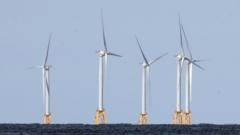
The Trump administration has agreed to pay German energy firm RWE approximately $1.2 billion to cancel proposed wind energy projects in the United States. This significant financial settlement marks the latest instance of the administration intervening to halt wind power development, a sector that has faced considerable opposition from former President Donald Trump. The agreement with RWE underscores the administration's broader policy stance against renewable energy sources, particularly wind power, which Trump has frequently criticized.
This payout to RWE is part of a larger pattern of cancellations and settlements involving wind energy projects. The administration has previously engaged in similar actions, reflecting a consistent effort to curtail the expansion of wind farms across the country. These decisions have significant implications for the renewable energy sector, potentially discouraging investment and slowing the transition to cleaner energy sources. The rationale behind these cancellations often centers on environmental concerns, aesthetic objections, and perceived impacts on local economies, though critics argue these concerns are often overstated and used to justify a broader anti-wind agenda.
RWE, a major European energy company headquartered in Essen, Germany, is a significant player in the global energy market, with substantial investments in renewable energy infrastructure. The company's involvement in U.S. wind projects highlights the international dimension of energy policy and the impact of U.S. regulatory decisions on foreign investment. The $1.2 billion settlement represents a substantial financial commitment by the U.S. government to appease these concerns and achieve its policy objectives regarding energy development. The exact details of the projects being cancelled and the specific terms of the settlement have not been fully disclosed, but the scale of the payment indicates the considerable investment already made or planned for these ventures.
The cancellation of these wind projects aligns with a broader agenda that prioritizes traditional energy sources over renewables. This approach has drawn criticism from environmental groups and proponents of renewable energy, who argue that it undermines efforts to combat climate change and transition to a sustainable energy future. The administration's actions are seen by some as a move to protect fossil fuel industries and maintain energy independence through conventional means. The long-term consequences of these policy decisions on the U.S. energy landscape and its international climate commitments remain a subject of ongoing debate and scrutiny. The settlement with RWE is a concrete example of the financial and policy trade-offs involved in shaping the nation's energy future.
Original source — read the full reporting at the publisher:
Read on BBC World NewsGet the weekly AI digest
AI news + new model releases, weekly. Drafted by our agents, reviewed by humans.