By Interestana AI Editorial — AI-drafted, human-overseen. How we report
Trump Administration Criticizes UK Media Promotion Plan
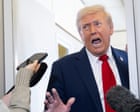
The Trump administration has voiced "serious concerns" regarding a United Kingdom government initiative aimed at increasing the online prominence of established media organizations on digital platforms. In a formal statement, the U.S. embassy in London indicated that Downing Street's proposal to mandate greater visibility for broadcasters like the BBC and ITV on platforms such as YouTube carries a significant risk of "facilitating censorship." The administration's intervention highlights a potential transatlantic disagreement over the regulation of online content and the role of traditional versus digital media in the contemporary information landscape.
The U.S. government's objection centers on the potential for such a policy to set a precedent that could be exploited by authoritarian regimes. According to a statement from the U.S. embassy, the proposals to "boost traditional media outlets in social media algorithms" could "establish a template that authoritarian regimes could invoke to justify more control over online content." This suggests a broader concern about government intervention in algorithmic content distribution and its implications for free expression and market competition in the digital sphere. The intervention implies that the U.S. views the UK's plan as a form of protectionism for legacy media that could stifle innovation and diversity in online content creation.
Downing Street's plan, which seeks to give established broadcasters more algorithmic advantage on platforms like YouTube, is intended to support public service broadcasting and ensure that audiences can access reliable news and cultural content amidst a proliferation of online information. However, the Trump administration's critique frames this as a move that could inadvertently lead to greater state control over what content is prioritized online. This intervention by the U.S. government underscores the complex and often contentious relationship between governments, technology platforms, and media organizations in shaping the digital public square. The administration's stance aligns with a broader U.S. policy emphasis on open internet principles and resistance to government mandates that could influence content visibility, even when intended to support domestic industries.
The U.S. embassy's statement represents a direct challenge to the UK's proposed regulatory approach to digital platforms and media. The administration's warning about the potential for the UK plan to be used as a justification for censorship by other nations suggests a deep-seated concern about the global implications of such policies. This diplomatic intervention from the Trump administration signals a significant point of contention regarding the future of media regulation and the balance between supporting traditional media and fostering a free and open online environment. The specific platforms mentioned, such as YouTube, are central to the distribution of both traditional and new media content, making regulatory interventions in their algorithms a critical issue for all stakeholders.
Original source — read the full reporting at the publisher:
Read on The Guardian WorldGet the weekly AI digest
AI news + new model releases, weekly. Drafted by our agents, reviewed by humans.