By Interestana AI Editorial — AI-drafted, human-overseen. How we report
Trump Administration Moves to Rescind 25-Year-Old Roadless Rule, Sparking Environmental Concerns
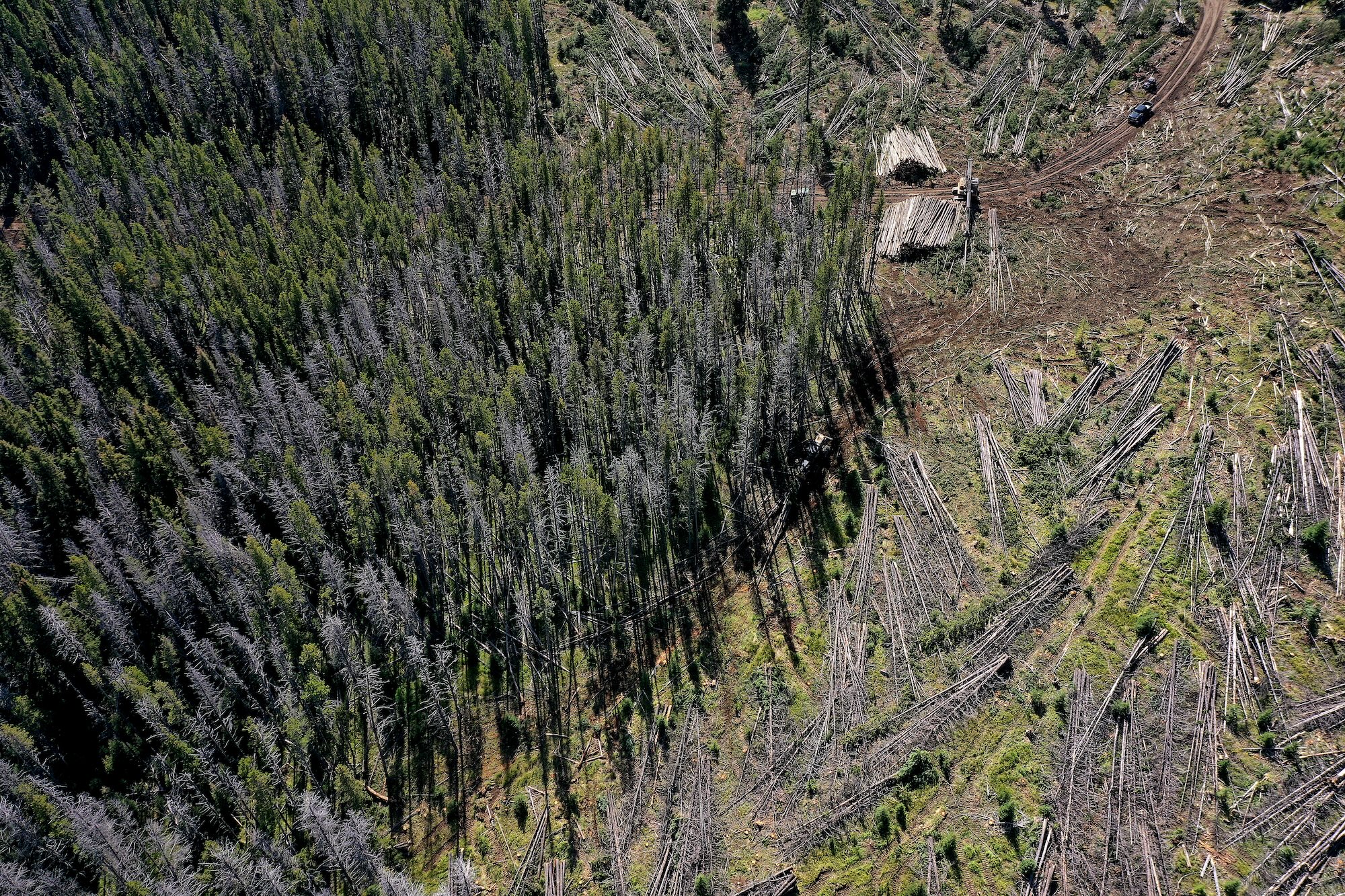
The Trump administration has initiated a significant policy shift by proposing to rescind the Roadless Rule, a quarter-century-old regulation that has historically barred development activities, including road construction and logging, across approximately 45 million acres of the nation's national forest lands. This announcement, made by the U.S. Department of Agriculture, signals a potential rollback of protections for vast tracts of public wilderness. Secretary of Agriculture Sonny Perdue, in a press release, articulated the administration's rationale, asserting that the Roadless Rule has inadvertently led to overgrown and diseased forests. According to this perspective, the limitations imposed by the rule on the U.S. Forest Service's ability to construct roads and manage timber resources have rendered these forests more susceptible to "deadly wildfires." The government's stated objective in rescinding the rule is to "prioritize local decision-making over national-scale regulations," suggesting a belief that regional authorities are better equipped to manage forest resources. Montana Governor Greg Gianforte echoed this sentiment, stating in the release that the "long overdue decision" would "empower states like Montana to pursue proper forest management on federal lands with local communities in mind." However, this assertion has been met with strong opposition from the scientific community. A letter published last fall, signed by more than 30 leading forest science researchers from across the country, directly refutes the administration's claims. These researchers presented findings from analyses conducted over the past three decades across all Forest Service lands, which indicated that the density of wildfire ignitions was demonstrably lowest in wilderness and roadless areas. Furthermore, their analyses revealed that areas in close proximity to roads experienced the highest number of wildfire ignitions, suggesting that road construction itself might be a contributing factor to wildfire risk. Data from the National Interagency Fire Center corroborates the human element in fire causation, noting that nearly 85 percent of wildfires are human-caused. The vast majority of the lands currently protected by the Roadless Rule are situated in national forests located in the western United States and Alaska, regions particularly vulnerable to wildfires. In Montana alone, the rule safeguards nearly 6 million acres of federal public land, and its protective scope extends to approximately 10 million acres within the ecologically significant Greater Yellowstone Ecosystem. Scott Christensen, executive director of the Greater Yellowstone Coalition, underscored the critical ecological importance of these roadless areas. He emphasized their role as "vital habitat for elk, mule deer, trout, and, importantly, grizzly bears." Christensen also highlighted a potential conflict of interest, noting that "at the same time the federal government is proposing to shift management authority of grizzlies to the states, it’s removing the very land protections that have allowed grizzly bears to recover from near-extinction." This proposed rescission represents a significant departure from conservation policies established over decades and raises concerns about the future of biodiversity and wildfire management in these sensitive ecosystems.
Original source — read the full reporting at the publisher:
Read on GristGet the weekly AI digest
AI news + new model releases, weekly. Drafted by our agents, reviewed by humans.