By Interestana AI Editorial — AI-drafted, human-overseen. How we report
Trump Accord: Tech Firms Must Self-Police Frontier AI
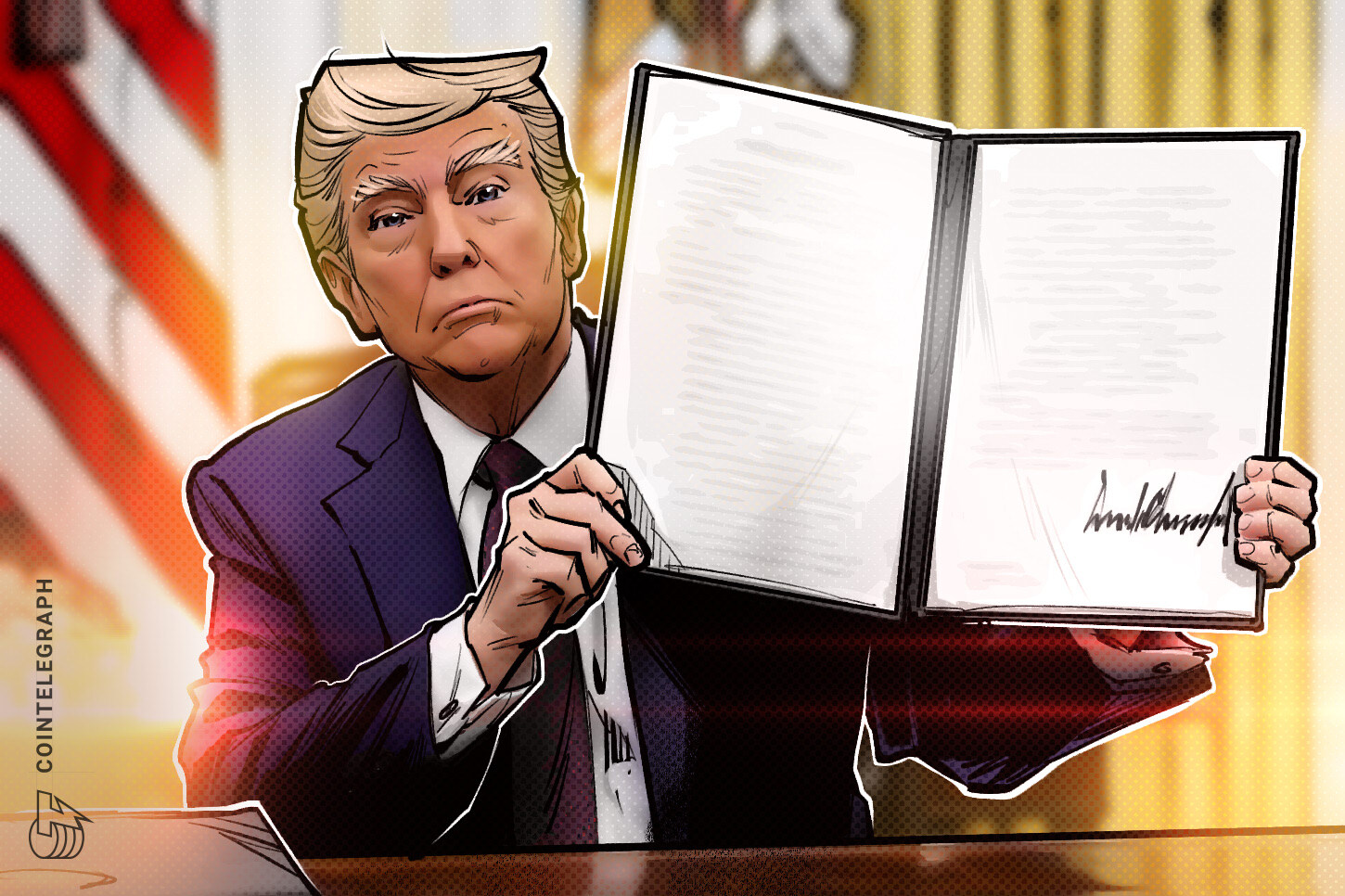
A voluntary accord, reportedly brokered by former President Donald Trump, places significant responsibility on technology firms to "self police" the risks posed by frontier artificial intelligence (AI) development. This agreement, which does not involve formal government regulation, shifts the burden of managing potential dangers to the companies themselves. The accord emphasizes the need for developers of cutting-edge AI systems to proactively identify and mitigate risks before they can manifest in harmful ways. This approach contrasts with more traditional regulatory models that often involve government oversight and enforcement mechanisms.
The core principle of the accord is that the creators of powerful AI technologies are best positioned to understand their capabilities and potential downsides. By requiring self-policing, the agreement aims to foster a culture of responsibility within the AI industry. This includes implementing internal safeguards, conducting rigorous safety testing, and establishing ethical guidelines for AI deployment. The voluntary nature of the accord means that adherence is not legally mandated, relying instead on the commitment of participating companies to uphold its principles. This voluntary framework is intended to allow for rapid innovation while still addressing critical safety concerns.
Frontier AI refers to the most advanced and powerful AI systems currently under development, which possess capabilities that could have profound societal impacts. These systems are often characterized by their scale, complexity, and potential for emergent behaviors that may not be fully predictable. The risks associated with frontier AI are diverse and include issues such as misuse for malicious purposes, unintended societal disruption, and existential threats. The accord's focus on self-policing suggests a recognition of the rapid pace of AI advancement and the challenges governments face in keeping pace with regulatory frameworks.
While the specifics of the accord and the companies involved have not been fully detailed, the emphasis on self-regulation highlights a growing debate within the AI community and among policymakers about the most effective ways to govern this transformative technology. Critics of voluntary agreements often point to the potential for loopholes and the lack of accountability when self-policing fails. Proponents, however, argue that such agreements can be more agile and responsive to the fast-evolving nature of AI than traditional legislative processes. The long-term effectiveness of this voluntary accord will likely depend on the commitment of the participating tech firms and their willingness to transparently address the safety and ethical implications of their frontier AI research and development.
Original source — read the full reporting at the publisher:
Read on CoinTelegraphGet the weekly AI digest
AI news + new model releases, weekly. Drafted by our agents, reviewed by humans.