By Interestana AI Editorial — AI-drafted, human-overseen. How we report
Druckenmiller: Treasury Bond Buyback Plan Risks Market Stability
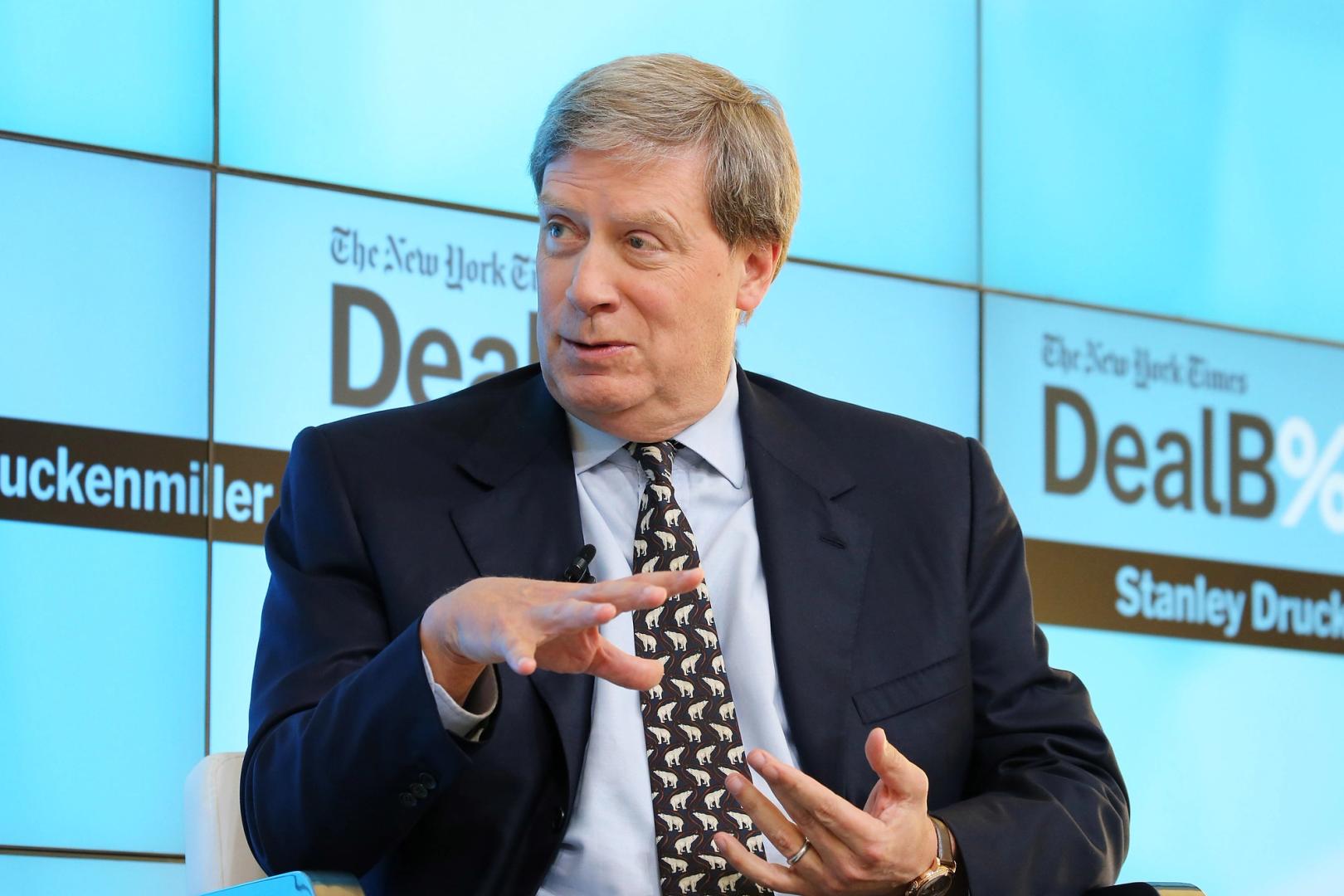
Billionaire investor Stanley Druckenmiller has voiced strong opposition to the U.S. Treasury's proposed bond buyback plan, asserting that it poses significant risks to market stability and fiscal accountability. Druckenmiller, a prominent hedge fund manager and philanthropist, argues that the intervention by the Treasury removes a crucial check on government borrowing. He believes that financial markets, through their price discovery mechanisms, are the superior arbiters of the true value and risk associated with government debt. By actively intervening to repurchase its own bonds, the Treasury, according to Druckenmiller, circumvents the natural market forces that would otherwise pressure the government to manage its debt more prudently. This, he contends, could lead to increased government spending and a reduced incentive for fiscal discipline.
Druckenmiller's critique centers on the principle of market accountability. He posits that when the market is allowed to set bond prices freely, it reflects the collective judgment of investors regarding the creditworthiness of the issuer and the prevailing economic conditions. Higher interest rates, for instance, signal investor concern about inflation or increased government debt levels, prompting a response from policymakers. The Treasury's buyback plan, in his view, distorts these signals. By manipulating demand for its own debt, the government can artificially suppress yields, masking underlying fiscal pressures and potentially encouraging further deficit spending. This creates a false sense of fiscal health, which could have detrimental long-term consequences for the U.S. economy.
The investor further elaborated that the Treasury's move could be interpreted as an attempt to manage the yield curve or influence interest rate expectations, a role he believes is best left to the Federal Reserve through its monetary policy tools. The Treasury's primary function is fiscal management, and its direct intervention in the bond market blurs the lines between fiscal and monetary policy. Druckenmiller's concern is that this blurring of responsibilities could lead to unintended consequences, including market volatility and a loss of confidence in the integrity of U.S. Treasury markets. He emphasized that while the Treasury may aim to improve market liquidity or manage its debt profile, the potential for such actions to undermine the fundamental principles of market-based finance is too great to ignore. His commentary suggests a preference for transparency and market-driven outcomes over government-led market interventions.
Stanley Druckenmiller, known for his successful investment strategies and accurate economic forecasts, has previously warned about potential economic downturns and inflationary pressures. His current stance on the Treasury's bond buyback plan aligns with his broader philosophy of free markets and fiscal conservatism. He suggests that rather than engaging in such interventions, the Treasury should focus on clear communication about its debt management strategy and work towards reducing the national debt. The potential for the buyback plan to create moral hazard, where the government becomes less accountable for its borrowing due to the expectation of market support, is a key concern for Druckenmiller. He believes that the market's role as a disciplinarian is essential for maintaining long-term economic stability and that any action that weakens this role is inherently dangerous.
Original source — read the full reporting at the publisher:
Read on CoinDeskGet the weekly AI digest
AI news + new model releases, weekly. Drafted by our agents, reviewed by humans.