By Interestana AI Editorial — AI-drafted, human-overseen. How we report
Scott Bessent: K-Shaped Economy Is Over
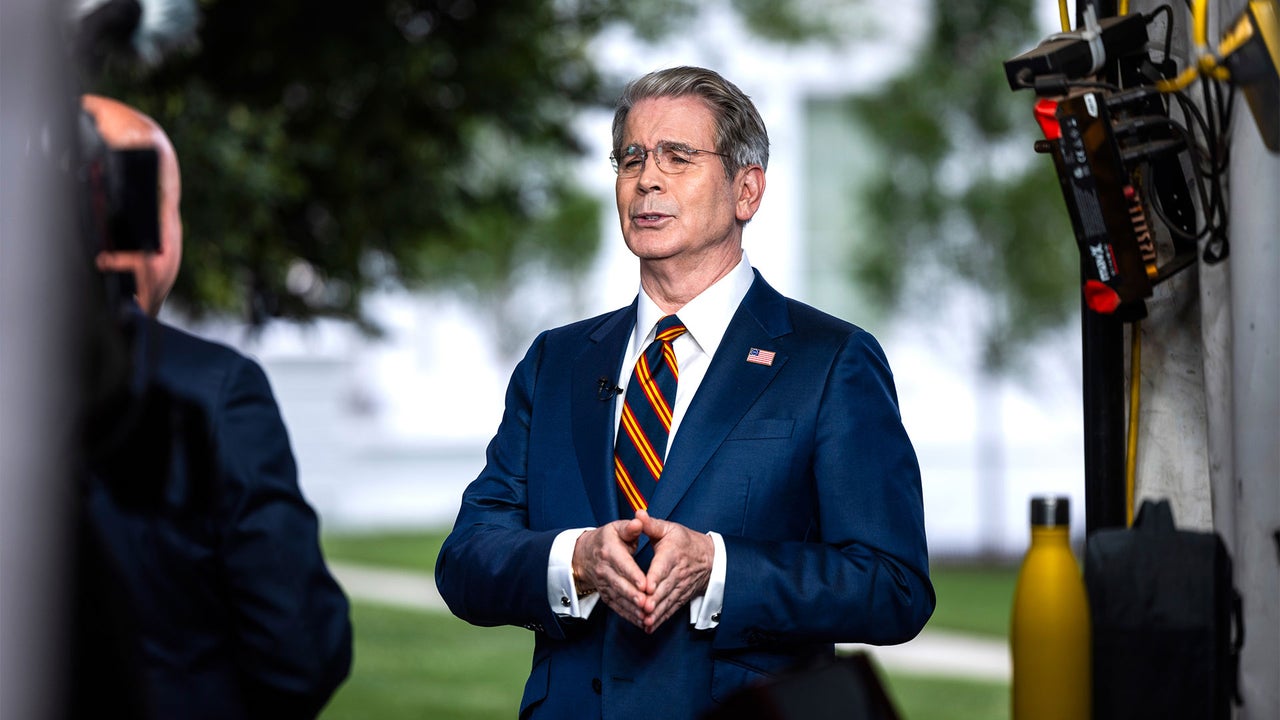
Treasury Secretary Scott Bessent stated on Tuesday that the "K-shaped economy is over," asserting that the economic benefits are now reaching lower-wage earners, which he described as a "C economy." He expressed frustration with the persistent narrative of a K-shaped economy, which depicts a widening gap between the wealthy and the rest of the population. Bessent claimed that "real wage gains" are being experienced by working Americans, specifically noting that "the bottom 25% of workers had a 2% wage gain." He attributed these improvements to policies such as the "Working Families Tax Cuts" and provisions within President Trump's "One Big Beautiful Bill Act," which he said includes benefits like tax exemptions on tips and overtime, reduced taxes for seniors on Social Security, and the deductibility of auto loans. Bessent suggested that the media is not adequately reporting these positive economic developments.
However, this assessment contrasts sharply with the views of many economists and recent economic data. Mark Zandi, chief economist at Moody's Analytics, countered Bessent's assertion, stating in a recent commentary that "the K-shaped economy remains firmly intact." Zandi cited Federal Reserve data indicating that in the year ending in the first quarter of 2026, spending by individuals earning $200,000 or more annually grew by an estimated 6.5%, which translates to nearly 4% in real terms after accounting for inflation. In stark contrast, Zandi reported that spending by those in the bottom 80% of the income distribution remained unchanged after inflation during the same period. This persistent disparity in spending power between high-income households and middle- to lower-income households is the defining characteristic of the K-shaped economy, a phenomenon that Zandi noted has persisted since the COVID-19 pandemic.
The Treasury Secretary's remarks come at a critical juncture, just three months before the November midterm elections. The current economic climate for many Americans has been characterized by elevated costs of living, including higher gas prices, which Bessent linked to the "Iran War," and increased prices for food and utilities. These factors contribute to a growing affordability crisis, particularly impacting individuals and families with lower and middle incomes. Bessent's optimistic outlook and defense of the current economy stand in opposition to the lived experiences of many citizens grappling with these economic pressures. His comments aim to counter negative perceptions and highlight perceived successes of the Trump administration's economic policies, suggesting that the economic recovery is more widespread than commonly reported.
Economists like Zandi emphasize that the K-shaped economic recovery, where the wealthy recover and grow their assets at a much faster rate than the general population, continues to be a dominant feature of the U.S. economic landscape. This divergence is reflected in spending patterns, with high earners significantly increasing their outlays while lower and middle-income households see no real growth in their spending power. The persistence of this trend suggests that the economic benefits of the recovery have not been evenly distributed, leading to continued financial strain for a substantial portion of the population. The debate over the state of the economy highlights a significant disconnect between the administration's narrative and the analysis provided by independent economic experts and data.
Original source — read the full reporting at the publisher:
Read on Fast CompanyGet the weekly AI digest
AI news + new model releases, weekly. Drafted by our agents, reviewed by humans.