By Interestana AI Editorial — AI-drafted, human-overseen. How we report
Treasury Secretary Bessent Leads U.S. Financial War on Iran
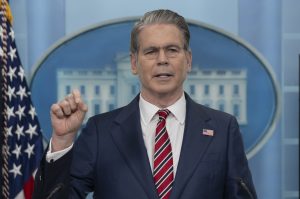
U.S. Treasury Secretary Scott Bessent is spearheading a new offensive against Iran, utilizing financial sanctions as a primary weapon to address both geopolitical aggression and domestic economic pressures. The Trump administration's strategy aims to coerce Iran into fully reopening the Strait of Hormuz, a critical global shipping lane. Success in this endeavor is anticipated to lower oil prices, thereby reducing inflationary expectations and providing relief to the U.S. bond market, which has been experiencing a slump. Bessent is scheduled to outline the specifics of this "economic D-Day" initiative, which will target countries and entities that conduct business with the Iranian regime. In a Financial Times op-ed, Bessent stated, "And any nation that serves as a financial artery of a withering regime should expect to share in its isolation." He further emphasized the U.S. stance, writing, "To become a sanctuary for terror is to become, in the eyes of the United States, a global pariah."
Sources have informed Reuters that the Treasury Department intends to broaden its application of secondary sanctions. These sanctions will be imposed on entities and nations engaging in transactions with Iran, threatening to sever their access to the U.S. dollar-based financial system. Iran has historically employed front companies to circumvent existing U.S. sanctions. The new measures are expected to introduce additional categories of Iran-related activities, even those occurring in third countries, that will be subject to these secondary sanctions. This development could significantly impact Chinese companies, which are substantial purchasers of Iranian oil and facilitate Iran-linked financial transactions. Such a move would create complications for President Donald Trump's planned summit with Chinese President Xi Jinping in Washington in late September, as both nations are actively seeking to de-escalate bilateral trade tensions.
The United Arab Emirates, a nation that has historically provided Iran with crucial access to international markets, has already implemented an embargo on trade and financial transactions with the Islamic Republic. Iran's economy is currently under severe strain due to existing U.S. naval blockades and sanctions, which have restricted its ability to export oil and conduct international commerce. The effectiveness of these expanded financial measures will depend on the willingness of other nations to comply with U.S. demands and the Iranian regime's capacity to withstand further economic isolation. The Treasury Department's aggressive stance signals a significant escalation in the U.S. strategy to counter Iranian influence and secure global economic stability.
Original source — read the full reporting at the publisher:
Read on FortuneGet the weekly AI digest
AI news + new model releases, weekly. Drafted by our agents, reviewed by humans.