By Interestana AI Editorial — AI-drafted, human-overseen. How we report
Treasury Withdraws Crypto Unhosted Wallet and Mixer Rules
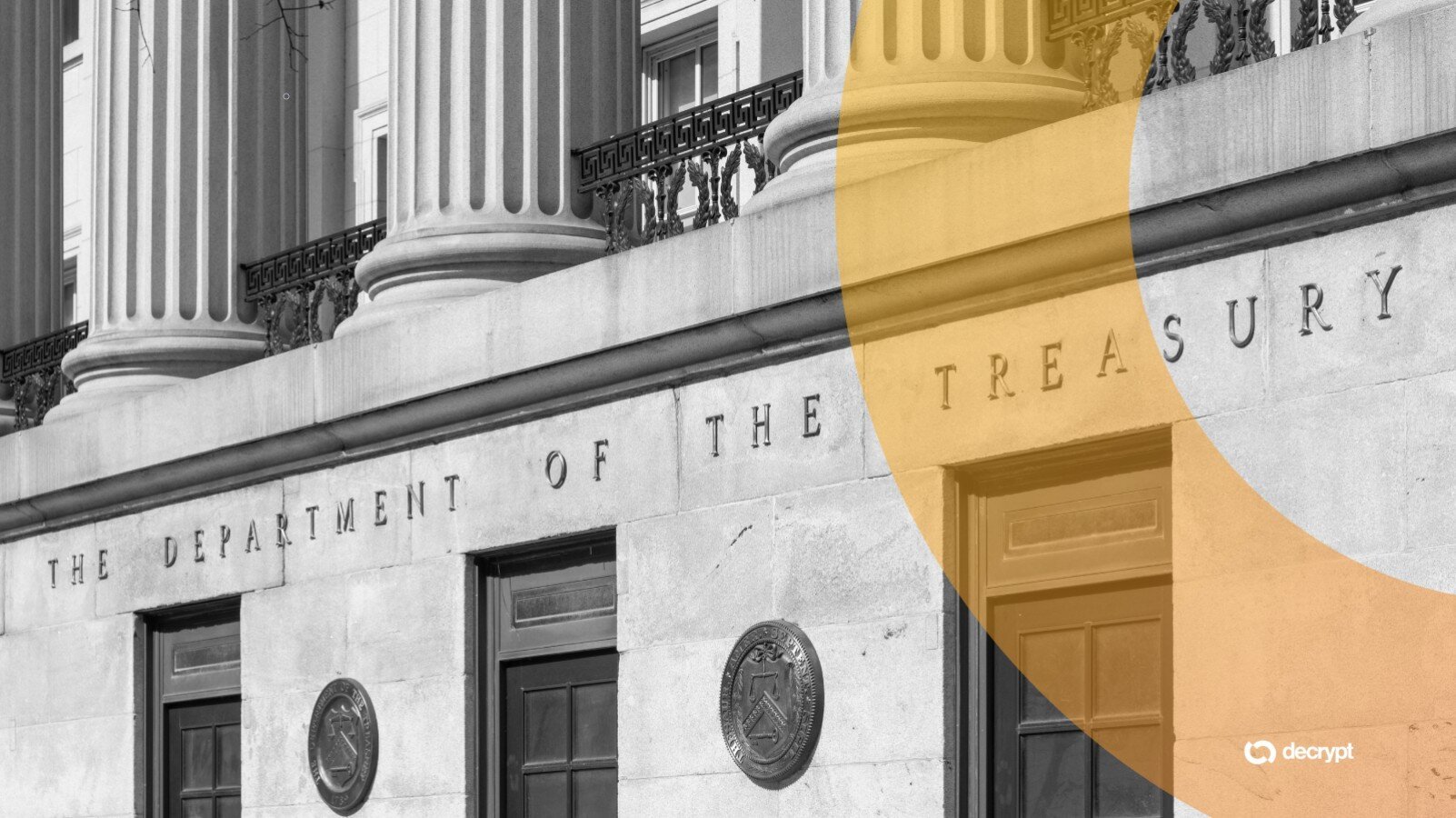
The U.S. Department of the Treasury, through its bureau the Financial Crimes Enforcement Network (FinCEN), has officially withdrawn two significant proposals that would have expanded its surveillance capabilities over cryptocurrency transactions. The first proposal, initially put forth in 2020, aimed to track transactions involving self-custodial or "unhosted" cryptocurrency wallets. This would have required exchanges to collect and report information on transactions sent to or received from these types of wallets, effectively extending Know Your Customer (KYC) requirements to peer-to-peer transfers outside of centralized platforms. The withdrawal of this rule removes a potential compliance burden and privacy concern for individuals who prefer to maintain full control over their digital assets using hardware wallets or software wallets not tied to a third-party exchange.
The second withdrawn proposal, announced in 2023, sought to designate cryptocurrency mixing services as a primary money laundering concern. Crypto mixers are tools designed to obscure the origin and destination of cryptocurrency transactions by pooling funds from multiple users and redistributing them. While proponents argued that mixers are frequently used by illicit actors to launder money and evade sanctions, critics contended that they also serve legitimate privacy-enhancing purposes for law-abiding users. By withdrawing this designation, FinCEN signals a pause in its immediate efforts to broadly target mixers as a category of financial concern, potentially indicating a shift in strategy or a need for further analysis regarding their impact and utility. This decision could provide a temporary reprieve for developers and users of privacy-focused cryptocurrency tools.
These withdrawals represent a significant development in the ongoing regulatory landscape for digital assets in the United States. The Treasury's decision to abandon these proposals suggests a recalibration of its approach to cryptocurrency regulation, potentially influenced by industry feedback, legal challenges, or a reassessment of enforcement priorities. The original 2020 proposal regarding unhosted wallets was met with considerable opposition from cryptocurrency advocacy groups and privacy advocates, who argued that it would be technically challenging to implement and would infringe upon fundamental privacy rights. Similarly, the 2023 proposal on mixers faced criticism for potentially stifling innovation in privacy technology and for oversimplifying the complex use cases of such services.
FinCEN's actions indicate a move away from broad, sweeping regulations towards a potentially more nuanced or targeted approach to addressing illicit finance risks within the cryptocurrency ecosystem. The agency has not provided extensive details on the specific reasons for withdrawing these proposals, but the impact is clear: the immediate threat of expanded surveillance on self-custodial wallets and the formal designation of mixers as a primary money laundering concern have been averted. This development may lead to increased confidence among users of decentralized finance (DeFi) protocols and self-custody solutions, while law enforcement agencies may need to explore alternative methods for tracking illicit cryptocurrency flows. The future regulatory direction for these aspects of the crypto market remains a subject of keen interest.
Original source — read the full reporting at the publisher:
Read on DecryptGet the weekly AI digest
AI news + new model releases, weekly. Drafted by our agents, reviewed by humans.