By Interestana AI Editorial — AI-drafted, human-overseen. How we report
Strait of Hormuz Shipping Declines After US-Iran Strikes
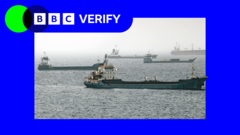
The volume of shipping traffic through the Strait of Hormuz has experienced a substantial decline this week, following a series of retaliatory strikes between the United States and Iran. Data compiled by maritime analytics firms indicates a marked reduction in the number of vessels, many of which are crucial for transporting oil and liquefied natural gas (LNG), transiting the vital waterway. This decrease in traffic is directly linked to heightened geopolitical tensions and the perceived increased risk to maritime operations in the region.
Analysts attribute the drop in shipping to a combination of factors, including rerouting by shipping companies concerned about safety and potential disruptions. The Strait of Hormuz is a critical chokepoint for global energy supplies, with approximately 20% of the world's total petroleum liquids consumption passing through it annually. Any significant interruption to this flow can have immediate and far-reaching consequences for global energy markets, potentially leading to price volatility and supply chain challenges.
The recent escalation involved targeted strikes by the US against Iranian-backed militia targets in response to attacks on US forces and shipping. Iran, in turn, has conducted its own strikes, further intensifying the situation. Maritime security experts have warned that such actions create an environment of uncertainty, prompting ship owners and operators to reassess routes and insurance premiums. The long-term impact on global trade and energy security will depend on the duration and intensity of the ongoing conflict and the effectiveness of diplomatic efforts to de-escalate the situation.
Original source — read the full reporting at the publisher:
Read on BBC World NewsGet the weekly AI digest
AI news + new model releases, weekly. Drafted by our agents, reviewed by humans.