By Interestana AI Editorial — AI-drafted, human-overseen. How we report
Toyota Recalls 10,000 C-HR EVs for Power Loss Risk
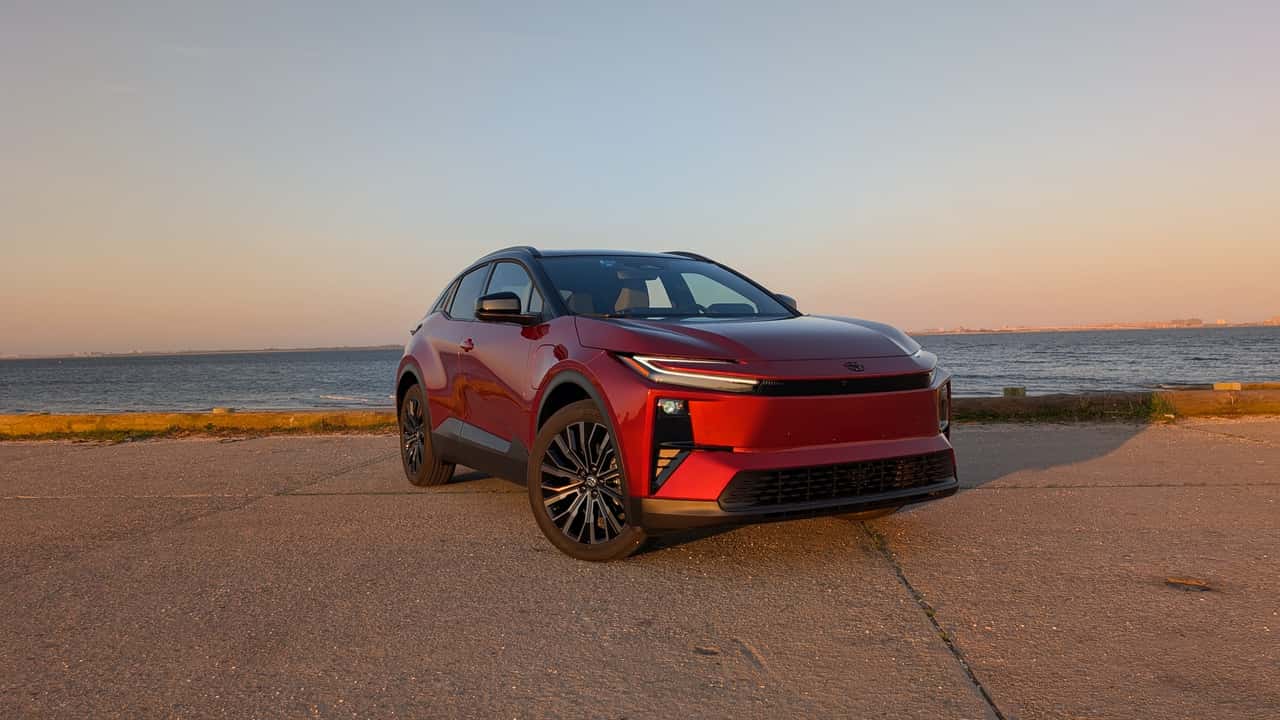
Toyota Motor North America announced a recall on approximately 10,000 of its C-HR electric vehicles in the United States. The recall addresses a software defect within the vehicle's power control unit that could lead to a sudden and unexpected loss of motive power while the vehicle is in operation. This issue poses a significant safety risk, as a loss of power while driving could increase the likelihood of a collision. The affected vehicles are specifically the 2023 and 2024 model years of the Toyota C-HR EV. Toyota has not received any reports of accidents or injuries related to this specific defect at the time of the recall announcement. However, the company is taking proactive measures to ensure the safety of its customers. The remedy for this defect involves a software update to the power control unit. Owners of the affected vehicles will be notified by Toyota via first-class mail starting in late May 2024. The notification will instruct them to schedule an appointment with an authorized Toyota dealer to have the necessary software update performed. This service will be provided to owners at no cost. The recall is being conducted under the purview of the National Highway Traffic Safety Administration (NHTSA), with Toyota initiating the recall on May 15, 2024. The NHTSA campaign number for this recall is 24V-337. The C-HR EV, Toyota's foray into the compact electric SUV segment in the U.S. market, was launched with the aim of competing in a growing segment of the automotive industry. This recall highlights the ongoing challenges manufacturers face in ensuring the reliability and safety of complex software systems in modern electric vehicles. The power control unit is a critical component responsible for managing the flow of electricity from the battery to the electric motor, and any malfunction can have immediate and severe consequences on vehicle performance. Toyota's commitment to addressing this issue promptly underscores the importance of vehicle safety recalls in maintaining consumer trust and adhering to regulatory standards. The company's proactive communication and provision of a free software update are standard procedures for rectifying such manufacturing defects. The recall process typically involves identifying the scope of the problem, developing a fix, notifying affected owners, and implementing the repair through the dealership network. This particular recall focuses on a software glitch, which is often more straightforward to resolve than mechanical failures, typically requiring a visit to a dealer for a reprogramming of the affected module. The C-HR EV's introduction to the U.S. market was intended to bolster Toyota's electric vehicle offerings, and such recalls, while concerning, are part of the lifecycle of bringing new automotive technologies to consumers.
Original source — read the full reporting at the publisher:
Read on InsideEVsGet the weekly AI digest
AI news + new model releases, weekly. Drafted by our agents, reviewed by humans.