By Interestana AI Editorial — AI-drafted, human-overseen. How we report
Toyota Integrates 400,000 Robots as Human Partners
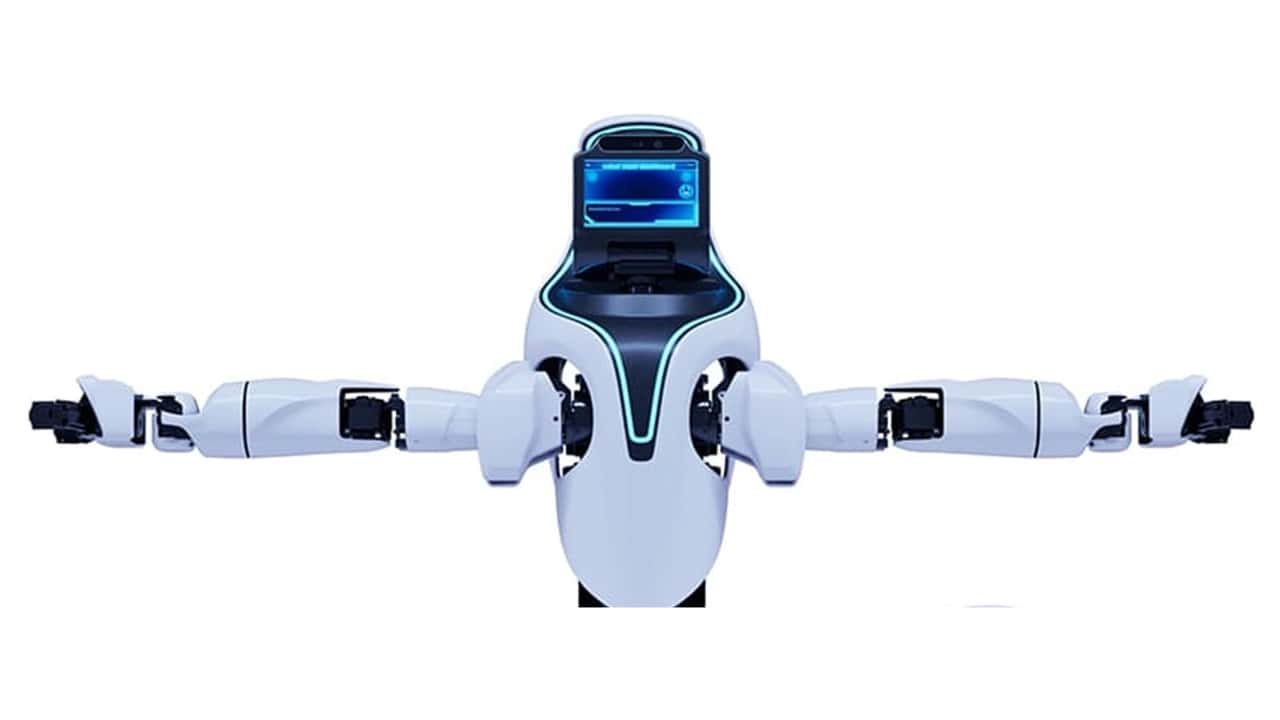
Toyota is integrating 400,000 robots into its manufacturing facilities, positioning them as collaborative partners for human workers. This initiative aims to enhance build consistency by leveraging the skills of "takumi," or highly skilled artisans, without diminishing the role of human judgment in the production process. The company's strategy involves equipping these robots with advanced learning capabilities, enabling them to absorb and replicate the nuanced techniques of experienced workers. This approach seeks to achieve a higher standard of quality and precision in vehicle assembly, a hallmark of Toyota's production philosophy.
The integration of such a large number of robots signifies a significant evolution in Toyota's manufacturing strategy. Historically, automation in the automotive industry has often focused on replacing human labor for efficiency. However, Toyota's "partner robot" concept emphasizes augmentation rather than replacement. The robots are designed to work alongside humans, assisting them with repetitive or physically demanding tasks while humans focus on more complex problem-solving, quality control, and the fine-tuning that requires human intuition and experience. This human-robot collaboration is intended to create a more dynamic and adaptable production line.
Central to this strategy is the concept of "takumi," which refers to the master craftspeople in Japanese manufacturing who possess exceptional skills and deep understanding of their craft. By enabling robots to learn from these takumi, Toyota aims to codify and disseminate this expertise across its workforce. This learning process likely involves advanced sensor technology and machine learning algorithms that can analyze and replicate the movements, precision, and decision-making of the skilled artisans. The goal is to ensure that the high-quality standards associated with Toyota vehicles are maintained and potentially elevated, even as production scales and complexities increase.
This initiative also addresses the evolving landscape of automotive manufacturing, which faces challenges such as increasing vehicle complexity, the demand for greater customization, and the need for continuous improvement in efficiency and quality. By fostering a symbiotic relationship between robots and humans, Toyota is building a manufacturing system that is both technologically advanced and deeply rooted in human skill. The 400,000 robots represent a substantial investment in this future, underscoring Toyota's commitment to maintaining its competitive edge through innovation in its production methods, while also valuing the indispensable contribution of its human workforce.
Original source — read the full reporting at the publisher:
Read on Motor1Get the weekly AI digest
AI news + new model releases, weekly. Drafted by our agents, reviewed by humans.