By Interestana AI Editorial — AI-drafted, human-overseen. How we report
UK Farmers Use Beaver Dams and Tougher Crops for Drought
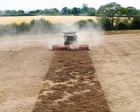
UK farmers are implementing a range of innovative strategies to mitigate the impacts of increasingly frequent heatwaves and drought conditions, which have significantly challenged food production. These novel approaches aim to enhance the resilience of both crops and livestock to extreme weather events, including periods of intense heat and prolonged low rainfall. The agricultural sector is actively experimenting with new tactics to manage water resources more effectively and protect yields.
One notable strategy involves the construction of ponds and collection tanks to store water, ensuring a more reliable supply during dry spells. Alongside water management, there is a growing focus on cultivating crops that are inherently more resistant to drought. These varieties are better equipped to withstand arid conditions and require less water, thereby reducing the strain on agricultural resources. The adoption of such crops is crucial for maintaining productivity in the face of a changing climate that is altering traditional growing seasons and conditions.
Furthermore, farmers are exploring the ecological benefits of beavers, a species known for its dam-building activities. Beaver dams naturally create wetlands and slow down water flow, which can help to retain moisture in the landscape, reduce soil erosion, and replenish groundwater levels. This natural engineering approach is being recognized as a valuable tool in managing water resources and creating more resilient ecosystems that can better withstand drought. The integration of beavers into farming landscapes represents a shift towards working with natural processes to achieve agricultural sustainability.
The challenges posed by recent heatwaves and drought conditions have been particularly acute for producers growing crops traditionally suited to the UK’s more temperate climate. The Guardian reported in August 2026 that the UK was importing vegetables due to the impact of drought and heat on domestic crops, leading to potential price rises. This situation underscores the urgency for farmers to adapt their practices and adopt more resilient farming methods. The ongoing experimentation with these diverse tactics highlights a proactive response from the UK agricultural community to the escalating threats of climate change and its direct impact on food security and the viability of farming operations.
Original source — read the full reporting at the publisher:
Read on The Guardian EnvironmentGet the weekly AI digest
AI news + new model releases, weekly. Drafted by our agents, reviewed by humans.