By Interestana AI Editorial — AI-drafted, human-overseen. How we report
Canada Wildfire Forces 12,000 Evacuations in Okanagan Region
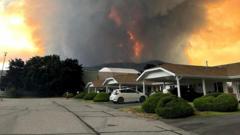
More than 12,000 individuals were compelled to evacuate their homes over the weekend due to a wildfire that rapidly advanced through Canada's Okanagan region. The blaze, which ignited on Friday, July 19, 2024, has consumed an estimated 10,000 hectares of land, prompting widespread emergency responses. The scale of the evacuation underscores the severity of the wildfire threat in the area, which is known for its vineyards and tourist attractions. Emergency services, including firefighters from multiple jurisdictions and the Canadian Armed Forces, are engaged in efforts to contain the fire and protect remaining structures. However, the unpredictable weather patterns, including high winds and dry conditions, have exacerbated the firefighting challenges, leading to the fire's rapid spread and containment difficulties. The immediate aftermath of the wildfire has revealed significant destruction, with numerous homes and essential infrastructure reported to be lost. Specific figures on the exact number of destroyed residences are still being assessed as authorities work to gain better access to the affected areas. The economic impact is also a growing concern, given the Okanagan's reliance on agriculture, particularly its wine industry, and tourism. Many residents who have been evacuated are facing uncertainty about the condition of their properties and the long-term implications for their livelihoods. Temporary shelters have been established to accommodate the displaced population, and aid organizations are mobilizing to provide essential supplies and support. The provincial government has declared a state of emergency, granting additional resources and authority to manage the crisis. This event highlights the increasing frequency and intensity of wildfires in Western Canada, a trend attributed by climate scientists to rising global temperatures and prolonged periods of drought. The long-term recovery process is expected to be extensive, involving not only rebuilding efforts but also addressing the underlying environmental factors that contribute to such devastating fire seasons. The full extent of the damage and the timeline for residents to return to their homes remain unclear, as firefighting operations continue and the area is assessed for safety and stability. The community's resilience will be tested in the coming months as they navigate the challenges of displacement and reconstruction in the wake of this significant natural disaster.
Original source — read the full reporting at the publisher:
Read on BBC World NewsGet the weekly AI digest
AI news + new model releases, weekly. Drafted by our agents, reviewed by humans.