By Interestana AI Editorial — AI-drafted, human-overseen. How we report
Tom DeLay Argues FCC Lacks Authority to Repeal 39% TV Ownership Cap
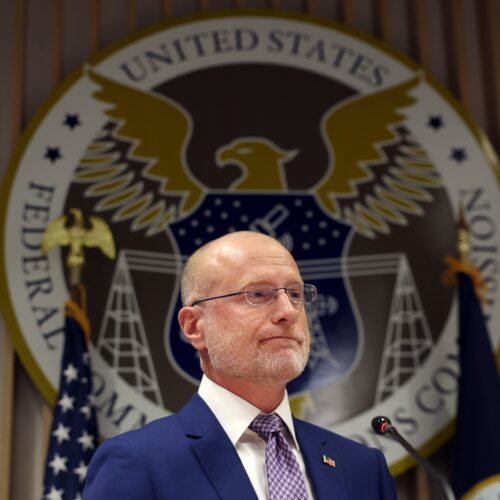
Tom DeLay, a prominent Texas Republican who held the influential position of House Majority Leader from 2003 to 2005, has publicly declared that the Federal Communications Commission (FCC) possesses no legal authority to repeal the National Television Ownership Rule. This assertion comes at a critical juncture, as the FCC, under the Trump administration, appears poised to eliminate the rule during a meeting scheduled for this week. DeLay articulated his position in a recent op-ed published in The Daily Wire, where he detailed his instrumental role in the legislative process that established the rule. The National Television Ownership Rule, a cornerstone of broadcast regulation, prohibits any single entity from owning broadcast television stations that, in aggregate, reach more than 39 percent of all television households in the United States. DeLay's central argument is that this 39 percent threshold is not a figure that the FCC itself determined or can unilaterally alter; rather, it is explicitly codified in U.S. law. Consequently, he contends that only Congress, through legislative action, has the power to amend or repeal this specific statutory limit, not an executive agency like the FCC. DeLay's intervention is particularly noteworthy given its timing, surfacing less than three weeks after FCC Chairman Brendan Carr officially announced a plan to dismantle the ownership cap. The FCC is scheduled to hold a vote on Carr's proposal this Thursday. The National Television Ownership Rule was originally conceived to foster greater diversity in broadcast programming and to prevent excessive media consolidation, thereby ensuring a wider range of voices and perspectives in the public discourse. Its potential repeal has been a subject of intense debate within the media industry. Proponents of the repeal argue that it would stimulate competition, encourage investment in broadcasting infrastructure, and allow for more efficient business operations. Conversely, opponents voice significant concerns about the potential for increased media consolidation, which could lead to fewer independent voices, a reduction in local news coverage, and a diminished public interest in broadcasting. DeLay's historical involvement in the creation of the legislation, as a former House Majority Leader, lends considerable weight and credibility to his legal argument against the FCC's perceived overreach. His perspective suggests a potential legal challenge to the FCC's authority, implying that any modification to the ownership cap would necessitate a formal act of Congress. The FCC's current move to consider repealing this rule signals a broader deregulatory agenda being pursued by the Trump administration concerning media ownership and regulation. The outcome of Thursday's vote will be a decisive moment, determining whether the FCC proceeds with dismantling this long-standing rule, which could precipitate substantial transformations in the landscape of U.S. television broadcasting.
Original source — read the full reporting at the publisher:
Read on Ars TechnicaGet the weekly AI digest
AI news + new model releases, weekly. Drafted by our agents, reviewed by humans.