By Interestana AI Editorial — AI-drafted, human-overseen. How we report
Rare Brain-Destroying Amoeba Claims Toddler's Life, Highlighting Diagnostic Challenges
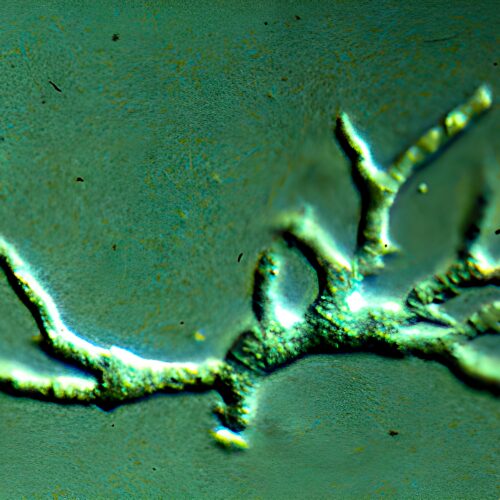
A previously healthy toddler in Washington state experienced a sudden and severe decline in health, presenting with a constellation of alarming symptoms. The initial signs included vomiting, profound lethargy, and weakness localized to the right side of his body. These symptoms rapidly escalated, leading to the development of a severe headache, fever, and significant difficulty swallowing. At one critical juncture, the child briefly became unresponsive and suffered episodes of respiratory arrest, prompting immediate hospitalization. Despite the best efforts of medical professionals and admission to the hospital, the toddler's condition continued to deteriorate rapidly.
The underlying cause of the child's devastating illness was an infection with an ultra-rare amoeba, a pathogen notorious for its destructive impact on the brain. This opportunistic microorganism, first identified in 1986, was initially discovered in the brain tissue of a monkey at the San Diego Zoo, which succumbed to the infection. Since its initial identification, human cases have remained exceedingly rare, with only approximately 200 instances recorded globally. The prognosis for individuals infected with this amoeba is grim, with a staggering fatality rate of around 90 percent.
A significant challenge in combating this infection lies in its initial presentation. The early symptoms are often vague and can easily be mistaken for more common ailments, contributing to its reputation for being frequently undiagnosed or misdiagnosed. While the limited medical literature does offer some characteristic indicators and clues observable through diagnostic tests and imaging, this particular toddler's case presented with atypical features. These unusual manifestations led healthcare providers down incorrect diagnostic pathways, delaying the identification of the true culprit.
This tragic case serves as a stark reminder of the critical need for heightened awareness among medical professionals regarding rare but potentially lethal infections. It underscores the importance of considering a broad differential diagnosis, even when initial symptoms appear common, particularly in cases of rapid deterioration. The extreme rarity of the amoeba, coupled with its aggressive and swift progression through the central nervous system, creates a formidable diagnostic hurdle. The outcome for the toddler highlights the ongoing challenges in recognizing and effectively treating such devastating pathogens, emphasizing the vital role of vigilance and potentially updated diagnostic protocols in safeguarding public health against the most insidious of diseases.
Original source — read the full reporting at the publisher:
Read on Ars TechnicaGet the weekly AI digest
AI news + new model releases, weekly. Drafted by our agents, reviewed by humans.