By Interestana AI Editorial — AI-drafted, human-overseen. How we report
Late-Night TV Music Slots Shrink, Pushing Artists to Online Platforms
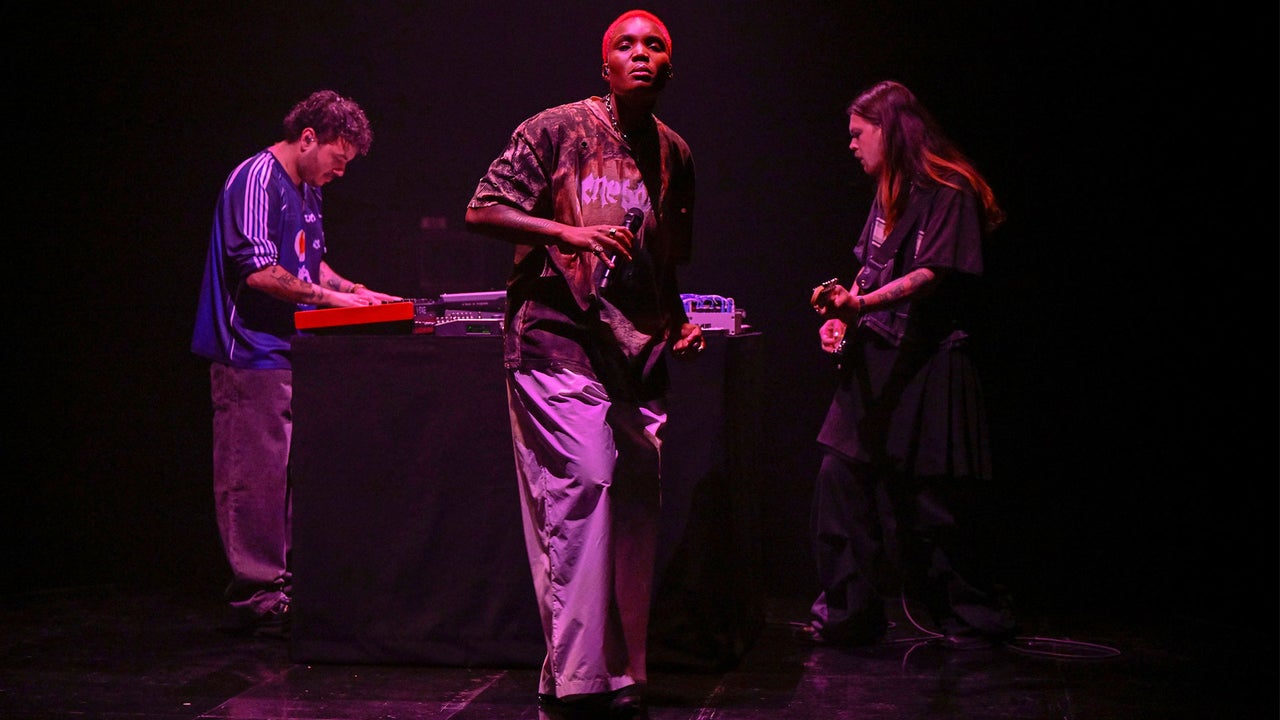
The landscape for musicians seeking television exposure has significantly contracted as several late-night talk shows have reduced or eliminated live music performances. This trend leaves artists, particularly emerging ones, with fewer traditional platforms to reach new audiences. The decline in opportunities is a notable shift from historical practices where late-night television served as a crucial launchpad for musical careers.
CBS's "The Late Show With Stephen Colbert" ceased its robust music programming upon its conclusion earlier this year, marking a substantial loss for artists. Similarly, James Corden's departure from CBS's "The Late Late Show" in 2023 resulted in the discontinuation of its performance segment, which was never revived. NBC's "Late Night With Seth Meyers" has also scaled back its live music bookings. While ABC's "Jimmy Kimmel Live!" continues to feature performances, it has reduced them to twice weekly. Currently, only NBC's "The Tonight Show Starring Jimmy Fallon" consistently schedules live musical acts. This reduction in traditional media exposure is prompting artists to explore and rely more heavily on digital platforms.
Emerging artists continue to recognize the immense value of late-night television performances, historically a unique avenue for gaining visibility. The iconic performance by the rock band Future Islands on "Late Show with David Letterman" on March 3, 2014, serves as a prime example of the transformative power of such appearances. The synth-pop group, fronted by charismatic vocalist Samuel T. Herring, was already a recognized act in the underground music scene. Their appearance on Letterman, where the host expressed strong admiration, propelled them into wider public consciousness. Bassist William Cashion recalled that their team had downplayed the potential impact of the Letterman performance, suggesting it would primarily benefit existing fans rather than significantly "move the needle" in terms of audience growth. However, the opposite proved true, leading to increased festival invitations that had previously been declined.
In response to the shrinking opportunities on late-night television, musicians are increasingly turning to digital platforms like TikTok and YouTube. These platforms offer alternative avenues for artists to connect with audiences, showcase their music, and build their careers. The virality and broad reach of social media content provide a new, albeit different, kind of exposure that can rival or even surpass the impact of a single late-night television appearance. This shift reflects a broader trend in the music industry, where digital engagement and direct-to-fan communication are becoming paramount for artist development and success.
Original source — read the full reporting at the publisher:
Read on Fast CompanyGet the weekly AI digest
AI news + new model releases, weekly. Drafted by our agents, reviewed by humans.