By Interestana AI Editorial — AI-drafted, human-overseen. How we report
Apple's iPhone Clock App Lacks Basic Features
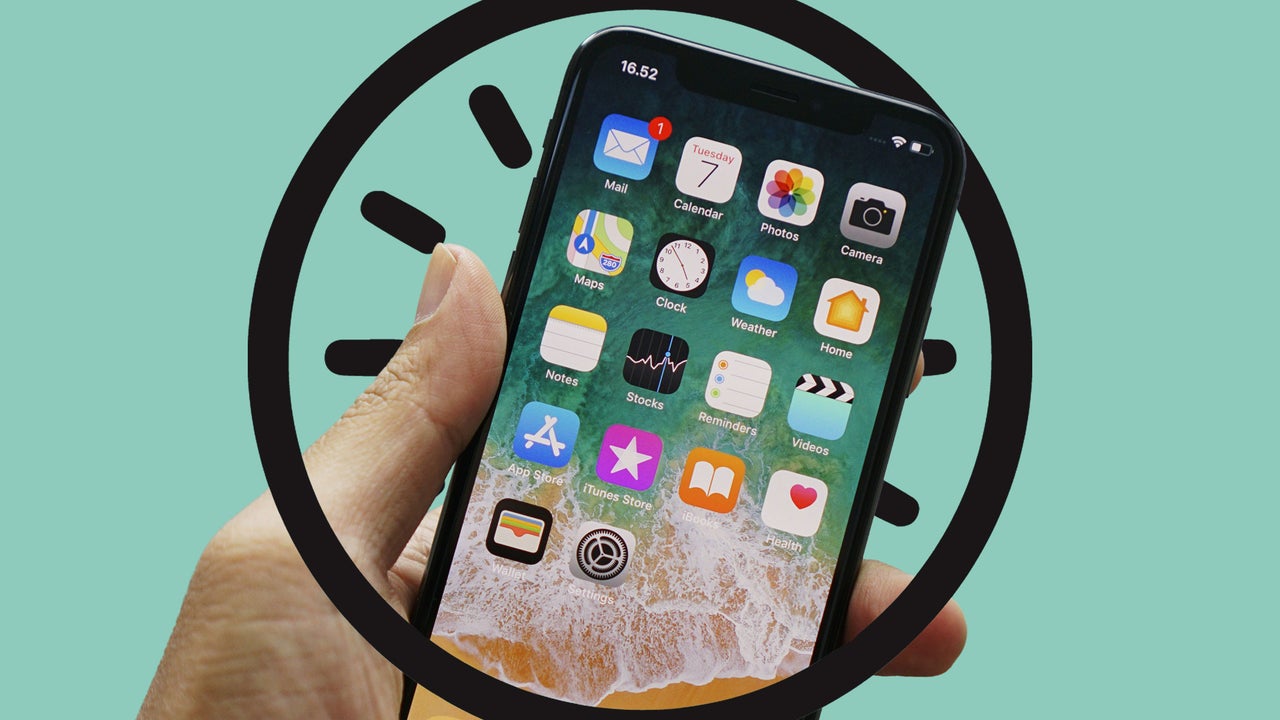
Apple's default Clock app, preinstalled on over 1.5 billion iPhones worldwide as of February 2026, suffers from a significant lack of basic functionalities when compared to third-party and Android alternatives. This app, relied upon by hundreds of millions for daily tasks such as waking up, tracking international time zones, and timing cooking, has remained largely unchanged since its introduction in 2007, according to the provided analysis. A primary deficiency identified is the Alarms feature's inability to set an alarm for a specific future calendar date. Users can only configure recurring alarms for days of the week (Sunday through Saturday), but not for a distinct date like August 10. This limitation poses a considerable inconvenience for individuals with upcoming travel, such as business travelers or those with early morning flights. For instance, if a user has a daily 7 a.m. alarm set and a flight scheduled for 6 a.m. on September 14, they must manually remember to adjust the alarm the night before. The absence of a calendar date alarm scheduling function is highlighted as a fundamental oversight. Further limitations within the alarm functionality include the inability to dismiss or skip "redundancy" alarms, which are commonly set by users for 10 to 15 minutes after their primary wake-up alarm. If a user sets a primary alarm for 9 a.m. and a secondary alarm for 9:30 a.m., the 9:30 a.m. alarm will still sound, requiring manual dismissal. This contrasts with more advanced clock applications that allow users to easily manage or disable such follow-up alarms. The analysis suggests that incorporating these seemingly basic features would substantially enhance the usability of the Clock app for its vast user base. The article implies that Apple has overlooked these critical improvements despite the app's integral role in the daily routines of a significant portion of the global smartphone market. The lack of these features is presented as a frustrating experience for users who depend on the app for crucial time-management tasks. The comparison to Android clock apps and third-party alternatives underscores the perceived gap in functionality, suggesting that Apple's native application is lagging behind industry standards in user-centric design and feature set. The analysis points to the long tenure of the app, dating back to 2007, as a factor that makes these omissions particularly noteworthy, implying a lack of consistent development or prioritization of user-requested enhancements for this core application.
Original source — read the full reporting at the publisher:
Read on Fast CompanyGet the weekly AI digest
AI news + new model releases, weekly. Drafted by our agents, reviewed by humans.