By Interestana AI Editorial — AI-drafted, human-overseen. How we report
Tick Bites Increase in US and UK
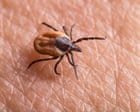
Tick bites are experiencing a significant increase in both the United States and the United Kingdom, posing a growing health concern. In the US, the Centers for Disease Control and Prevention (CDC) reported unusually high emergency room visits for tick bites this year. Annually, an estimated 31 million Americans are bitten by ticks, a number that has been on an upward trend for over a decade. This rise highlights the expanding presence and impact of these arachnids on public health across the nation.
Similarly, the United Kingdom is observing a rise in both the number and species variety of ticks. This trend suggests a broader geographical expansion and increased ecological prevalence of ticks, potentially leading to a greater risk of disease transmission. While specific figures for the UK's annual tick bite incidents were not detailed, the "growing health risk" indicates a concerning pattern for the region.
These blood-sucking pests are capable of transmitting various illnesses to humans, with Lyme disease being one of the most well-known. The increase in tick bites necessitates greater awareness and proactive measures to prevent exposure. Experts are providing guidance on how individuals can protect themselves from tick encounters, particularly during outdoor activities where exposure is more likely. The information aims to mitigate the risk of bites and subsequent infections.
Preventative strategies often involve wearing appropriate clothing, using insect repellent, and conducting thorough tick checks after spending time in tick-prone areas such as forests, tall grass, and parks. Early detection and removal of ticks are crucial in reducing the likelihood of disease transmission. The ongoing rise in tick bites underscores the importance of public health education and personal vigilance in managing this escalating environmental and health challenge.
Original source — read the full reporting at the publisher:
Read on The Guardian EnvironmentGet the weekly AI digest
AI news + new model releases, weekly. Drafted by our agents, reviewed by humans.