By Interestana AI Editorial — AI-drafted, human-overseen. How we report
UK Plug-in Hybrids Struggle With Rapid Charging
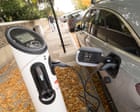
A significant majority of popular plug-in hybrid electric vehicles (PHEVs) sold in the United Kingdom are unable to utilize rapid charging infrastructure, according to recent analysis. Specifically, only 26% of the top 20 best-selling PHEV models in the UK are equipped to connect with chargers delivering a power output of 50kW or more. This finding has led to concerns that many of these vehicles may not be delivering the environmental benefits they promise, with some critics describing them as essentially "petrol cars pulling round a heavy battery." PHEVs are designed to operate on both electric power and internal combustion engines, a feature that car manufacturers have marketed as a solution for drivers needing to cover longer distances without the range anxiety associated with fully electric vehicles, while still aiming to reduce overall emissions.
The analysis, which examined the charging capabilities of the most popular PHEV models available in the UK market, highlights a critical mismatch between the vehicles' intended use and the available charging technology. Rapid chargers, capable of delivering high power outputs, are crucial for quickly replenishing battery charge, especially for drivers undertaking longer journeys. The inability of three-quarters of these top-selling PHEVs to access such chargers suggests that their electric-only range might be limited or that their charging systems are not optimized for rapid replenishment. This limitation could inadvertently encourage greater reliance on their petrol engines, potentially undermining the environmental advantages that attract consumers to hybrid technology.
This situation raises questions about the effectiveness of PHEVs as a transitional technology towards full electrification. While they offer a perceived bridge for consumers hesitant about the limitations of battery-electric vehicles, their charging limitations could hinder their contribution to reducing transport-related carbon emissions. The findings suggest a need for greater transparency from manufacturers regarding the charging capabilities of their PHEV models and potentially a push for improved charging standards or vehicle compatibility to ensure these vehicles can effectively leverage charging infrastructure. The research underscores the complexity of the automotive transition and the importance of ensuring that new technologies align with their intended environmental goals and the realities of existing infrastructure.
The implications of this analysis extend to consumer choice and government policy. Consumers purchasing PHEVs may be unaware of these charging limitations, potentially leading to dissatisfaction or a failure to achieve expected fuel savings and emission reductions. Policymakers aiming to promote cleaner transportation may need to consider whether current PHEV offerings adequately support the transition away from fossil fuel-dependent vehicles. Further investigation into the specific charging protocols and battery capacities of these top-selling PHEVs would provide a clearer picture of their real-world electric driving capabilities and their overall environmental impact.
Original source — read the full reporting at the publisher:
Read on The Guardian WorldGet the weekly AI digest
AI news + new model releases, weekly. Drafted by our agents, reviewed by humans.