By Interestana AI Editorial — AI-drafted, human-overseen. How we report
Middle East Oil Tanker Threats Worst Since Iran War
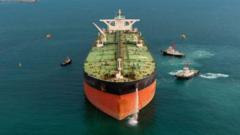
Oil tankers operating in the Middle East are facing the most severe threat to their operations since the outset of the Iran-Iraq War, according to industry analysts. This heightened risk stems from recent attacks targeting alternative shipping routes, which have complicated the maritime security landscape for vessels transporting crude oil and other petroleum products. The situation underscores a significant escalation in regional instability and its direct impact on global energy supply chains. The Iran-Iraq War, which lasted from 1980 to 1988, saw extensive naval warfare in the Persian Gulf, including attacks on oil tankers, a period often referred to as the "Tanker War." The current threat level is being compared to this historical period, indicating a substantial increase in danger for commercial shipping. Analysts point to a complex web of geopolitical factors and evolving tactics employed by various actors in the region. These attacks, occurring on routes previously considered safer or as alternatives to more heavily contested waters, suggest a deliberate strategy to disrupt oil flows and exert pressure. The implications for global energy markets are considerable, as disruptions in this vital shipping corridor can lead to price volatility and supply shortages. The increased risk profile necessitates enhanced security measures and potentially higher insurance premiums for shipping companies. Furthermore, it places greater scrutiny on international efforts to ensure freedom of navigation and de-escalate tensions in the strategically important waterways of the Middle East. The ability of tankers to safely traverse these routes is critical for meeting global energy demands, and any prolonged disruption could have far-reaching economic consequences. The analysts' assessment highlights the precariousness of the current situation, emphasizing that the threat is not confined to traditional chokepoints but has expanded to encompass a broader range of maritime transit options. This expansion of threat vectors makes risk assessment and mitigation more challenging for shipping operators and international naval forces alike. The comparison to the Iran-Iraq War serves as a stark reminder of the potential for severe and sustained disruption to oil supplies originating from or transiting through the Middle East.
Original source — read the full reporting at the publisher:
Read on BBC World NewsGet the weekly AI digest
AI news + new model releases, weekly. Drafted by our agents, reviewed by humans.