By Interestana AI Editorial — AI-drafted, human-overseen. How we report
Geely Unveils Compact EV Motor With Integrated Components
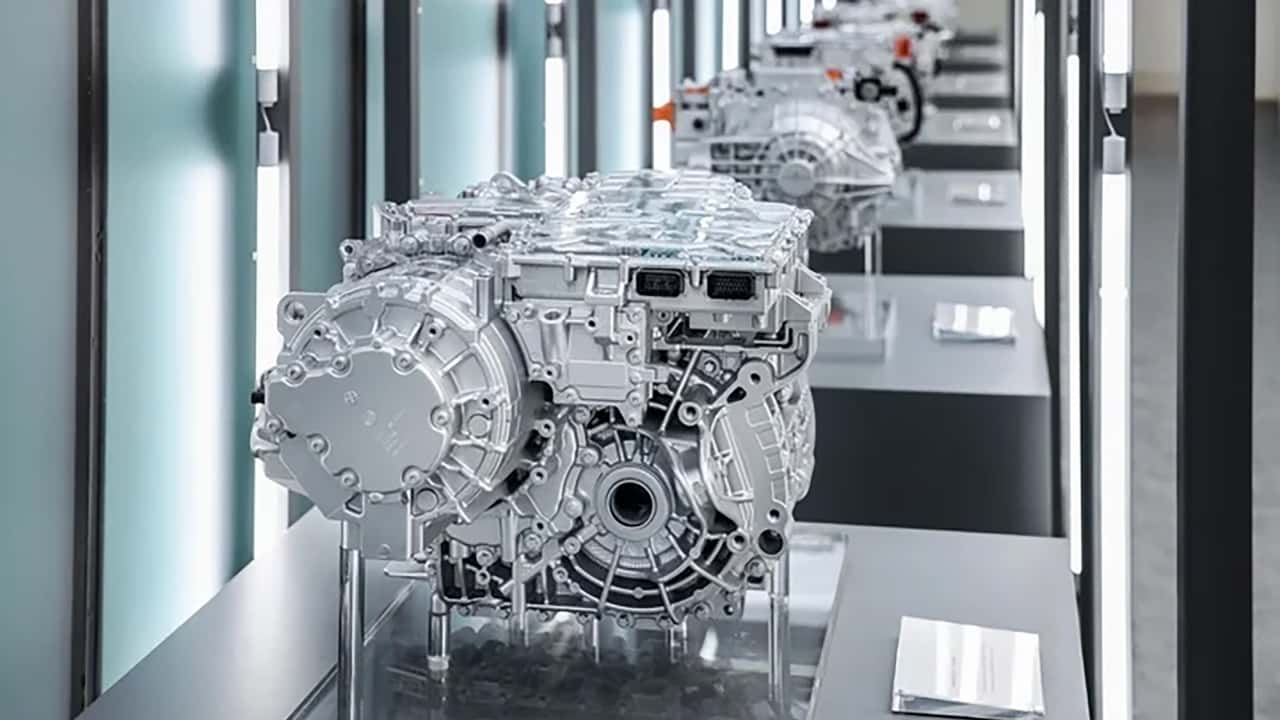
Geely unveiled its new "Thunder" electric drive system this week, a compact motor designed to significantly improve electric vehicle efficiency by integrating multiple hardware functions. This innovative system consolidates 12 distinct hardware functions into a single enclosure, a move that directly addresses the industry's ongoing challenge of reducing the size and weight of EV powertrains. By streamlining these components, Geely aims to enhance the overall performance and range of electric vehicles.
The integration of these 12 functions, which typically require separate units, allows for a more compact and lighter overall design. This reduction in mass is a critical factor in improving energy efficiency, as lighter vehicles require less energy to accelerate and maintain speed. The "Thunder" system represents a significant step forward in powertrain miniaturization and efficiency optimization within the electric vehicle sector. Geely's approach focuses on a holistic integration strategy rather than incremental improvements to individual components.
While specific performance benchmarks and efficiency gains were not detailed in the announcement, the core innovation lies in the consolidation of components. This engineering feat is expected to translate into tangible benefits for consumers, potentially leading to longer driving ranges and reduced manufacturing costs for electric vehicles that adopt this technology. The company has not yet disclosed which of its vehicle models will be the first to feature the "Thunder" drive system, nor has it provided a timeline for its commercial rollout.
Original source — read the full reporting at the publisher:
Read on InsideEVsGet the weekly AI digest
AI news + new model releases, weekly. Drafted by our agents, reviewed by humans.