By Interestana AI Editorial — AI-drafted, human-overseen. How we report
Tesla Model Y Battery Health At 91% After 25,000 Miles
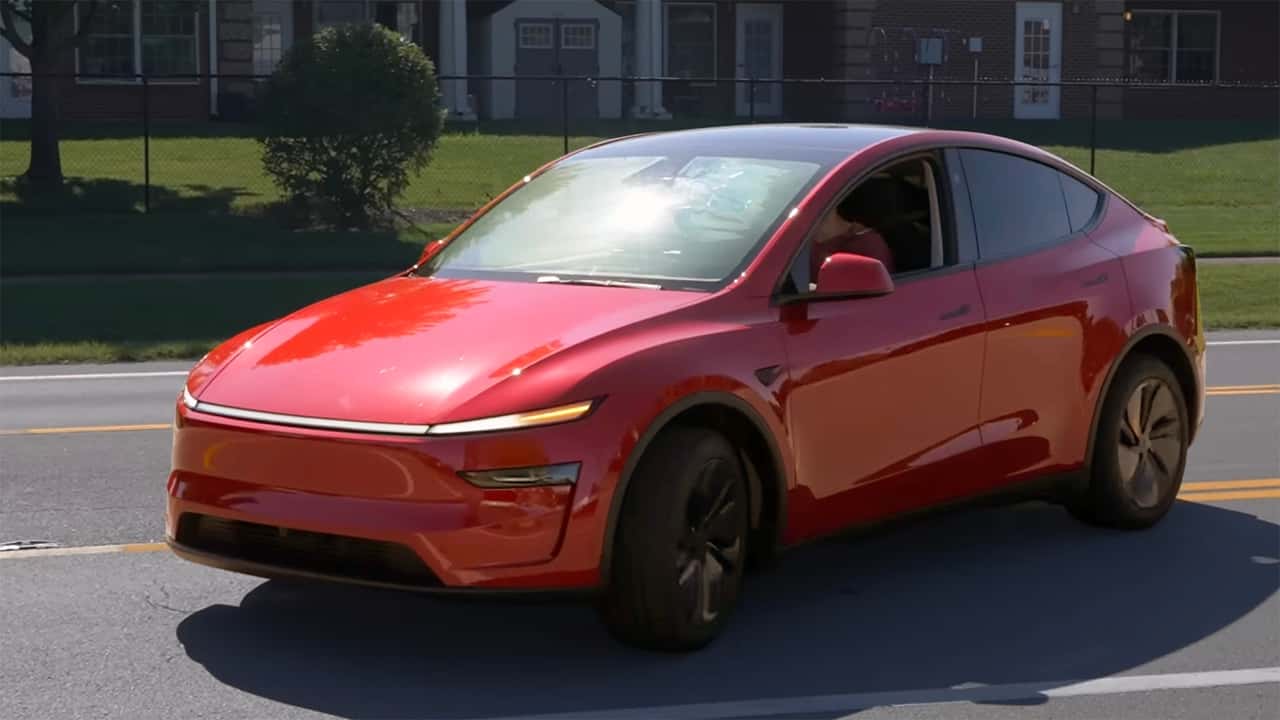
A Tesla Model Y electric vehicle has maintained an estimated 91% battery health after accumulating 25,000 miles of use. Despite this slight degradation, the vehicle is still capable of traveling approximately 300 miles on a single charge, according to its owner. This owner is not expressing concern over the vehicle's depreciation, which has been noted as a 9% loss in value over the past year. The owner's perspective suggests a confidence in the long-term viability and performance of electric vehicles, even as they experience typical wear and tear. The reported battery health figure of 91% is a key metric for electric vehicle owners, as battery degradation directly impacts range and resale value. While a 9% loss in battery capacity over 25,000 miles might be a point of concern for some, this particular owner views it as acceptable within the expected performance envelope of an electric car. The continued ability to achieve a 300-mile range is a significant factor, as it meets or exceeds the daily commuting needs of most drivers and offers flexibility for longer journeys. This real-world data point from a Tesla Model Y owner provides insight into the practical longevity of EV batteries and challenges common anxieties about rapid battery decline. The owner's lack of worry about the 9% depreciation further indicates a potential shift in consumer perception regarding EV ownership costs and long-term value. As the electric vehicle market matures, data from actual usage, such as this case, becomes increasingly important for potential buyers and current owners alike. The specific mileage of 25,000 miles is a relatively early stage in a vehicle's lifespan, suggesting that the observed battery health is indicative of the initial years of ownership. The consistent performance in terms of range, even with a slight reduction in maximum capacity, highlights the robustness of modern EV battery technology. This anecdotal evidence contributes to the broader conversation about the total cost of ownership for electric vehicles, which includes factors like battery life, maintenance, and resale value. The owner's positive outlook, despite the reported depreciation and battery health percentage, suggests that the benefits of EV ownership, such as lower running costs and environmental advantages, may outweigh these perceived drawbacks for some individuals. The specific model, Tesla Model Y, is one of the best-selling electric vehicles globally, making this data point relevant to a large segment of the EV market. The information shared by the owner offers a tangible example of how an electric vehicle performs in everyday use, providing a counterpoint to more theoretical projections of battery life and depreciation.
Original source — read the full reporting at the publisher:
Read on InsideEVsGet the weekly AI digest
AI news + new model releases, weekly. Drafted by our agents, reviewed by humans.