By Interestana AI Editorial — AI-drafted, human-overseen. How we report
Planted Raises $31.8 Million for Robotic Solar Farm Construction
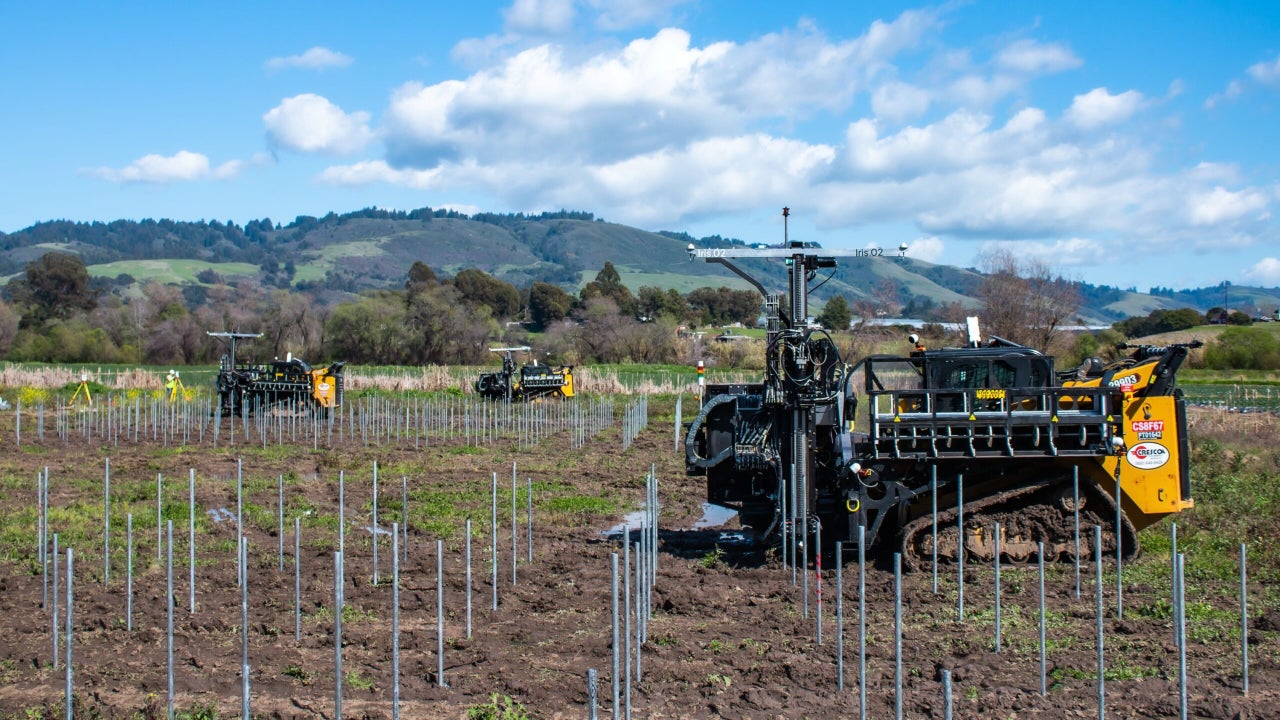
Planted, a startup focused on optimizing solar farm construction, announced on March 13, 2024, that it has raised $31.8 million in a funding round led by Piva Capital and RA Capital Management Planetary Health. This investment aims to scale the company's innovative approach, which utilizes robots and digital twins to significantly reduce the land footprint of solar projects. The funding round also saw participation from notable investors including Google, Breakthrough Energy Ventures, Gigascale Capital, and Khosla Ventures.
The impetus for Planted's creation stemmed from a fundamental question posed by Mike Schroepfer, founding partner of Gigascale Capital and former CTO at Meta: "if solar panels are so cheap, why is utility-grade solar so expensive to install?" Schroepfer identified that current solar farm construction methods, largely unchanged since panels were prohibitively expensive, do not adequately address contemporary challenges such as permitting, land acquisition costs, and public acceptance. Planted's technology offers a solution by rethinking the physical layout and installation process.
Traditionally, solar farms employ long racks to hold rows of solar panels that track the sun, maximizing energy output. This method necessitates extensive land leveling, which adds considerable time and expense, and often renders uneven terrain unusable. Planted's system departs from this model by installing each solar panel on an individual post, allowing the farm to adapt to the natural contours of the land without requiring significant site modification. This approach not only preserves the existing topography but also enables the utilization of previously unsuitable areas.
The process begins with Planted's software creating a digital twin—a dynamic virtual replica—of the proposed solar farm site. This digital model is used to meticulously plan the placement of each individual post. Subsequently, robots are deployed to precisely position these posts according to the digital twin's specifications. This robotic precision and the individual post design are key to achieving the substantial land reduction, as demonstrated in a recent project in a St. Louis suburb. In this instance, Planted's redesigned solar farm used 40% less land while maintaining the same power output, successfully overcoming zoning board objections related to land use and proximity to residential areas, thereby enabling the project to proceed. This efficiency gain is particularly critical at a time of surging energy demand and increasing obstacles to solar project development.
Original source — read the full reporting at the publisher:
Read on Fast CompanyGet the weekly AI digest
AI news + new model releases, weekly. Drafted by our agents, reviewed by humans.