By Interestana AI Editorial — AI-drafted, human-overseen. How we report
Arizona County Streamlines Early Ballot Signature Verification with Simple UI Update
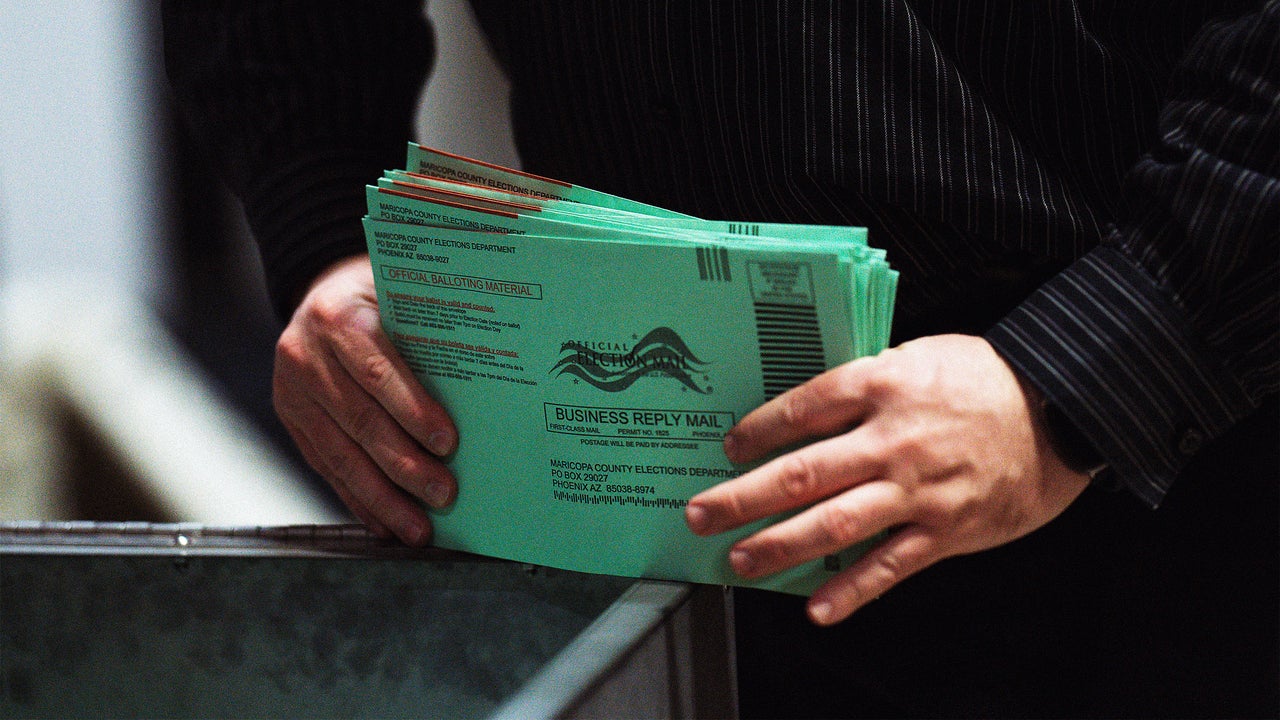
Election officials in Maricopa County, Arizona, the state's most populous county, have successfully implemented a straightforward user interface (UI) modification to their custom-built, in-house signature verification system. This strategic enhancement, focusing on reducing the need for scrolling, has significantly accelerated the process of verifying signatures on early voting ballots. In Arizona, when individuals opt for early voting, they are required to sign affidavit envelopes that accompany their ballots. These envelopes are subsequently scanned into the county's election management system. Election officials then undertake the critical task of comparing the signature on the affidavit envelope with the voter's signature previously recorded on file, often from their voter registration form or past election participation.
Maricopa County utilizes an enterprise-level, custom system developed internally to facilitate these digital signature comparisons. However, the prior iteration of this software mandated election workers to scroll down the screen to access and view the voter's historical signature on file. While this scrolling action might appear to consume only a few seconds per ballot, the cumulative effect is substantial, particularly in a county with a high volume of early ballots. In the 2024 election cycle, Maricopa County processed an immense number of early ballots: 973,029 were submitted via mail, and an additional 631,006 were returned to designated vote centers or drop boxes. This combined total represents a significant majority, nearly 88%, of the over 2 million ballots cast in that election, highlighting the critical importance of efficient processing.
The newly implemented UI change addresses this bottleneck by presenting multiple signature examples side-by-side on a single screen. As explained by Sam Stone, chief of staff for the Maricopa County Recorder, the updated system now displays "the three most recent signature examples we have for the voter, plus the signature on their voter registration form on the screen at the same time alongside the current signature that’s under review." This arrangement eliminates the need for scrolling, allowing officials to view all relevant signatures simultaneously. The county estimates that this simple UI adjustment will reduce the review time per signature by approximately 50%. Beyond mere speed, this enhancement is also anticipated to contribute to improved accuracy in signature matching, potentially mitigate human bias, and expedite the overall ballot tabulation process, which typically takes around 13 days to complete after Election Day. Further refinements in the updated software include the addition of a "back" button for easier navigation and a "household exchange" flag to address instances where individuals within the same household might have inadvertently swapped ballots. This initiative exemplifies how targeted, user-centric design improvements within existing technological infrastructure can yield tangible benefits in the complex logistical operations of large-scale elections, especially in jurisdictions with a pronounced reliance on early voting methods.
Original source — read the full reporting at the publisher:
Read on Fast CompanyGet the weekly AI digest
AI news + new model releases, weekly. Drafted by our agents, reviewed by humans.