By Interestana AI Editorial — AI-drafted, human-overseen. How we report
Evergrande Founder Hui Ka Yan Sentenced to Life for Financial Crimes
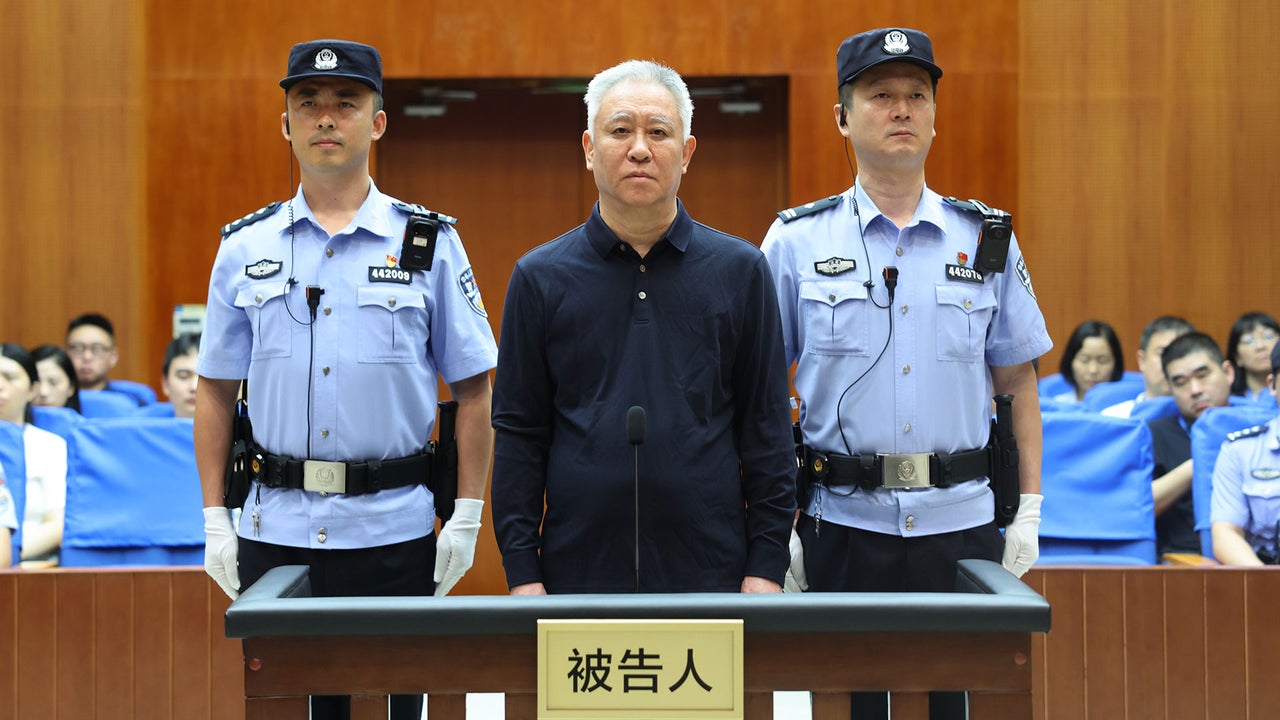
Chinese property tycoon Hui Ka Yan was sentenced to life in prison by a Chinese court for financial crimes connected to the downfall of his Evergrande real estate group. Evergrande, once the world's most indebted developer, defaulted on over $300 billion in liabilities after Chinese authorities implemented a crackdown on excessive borrowing within the real estate sector in 2020. This action precipitated a liquidity crisis for numerous developers and initiated a prolonged downturn in the property market, which has subsequently impacted China's broader economy. The Shenzhen Intermediate People's Court announced on Thursday that Hui, aged 67 and the founder of Evergrande, was convicted of large-scale financial fraud, specifically for inflating the group's assets and concealing its liabilities. According to a court statement, Hui, also known as Xu Jiayin, exploited his position to orchestrate fraudulent activities and misappropriate company assets. The court also imposed significant fines on Evergrande entities: Evergrande group was fined 8.82 billion yuan ($1.31 billion), and Evergrande Real Estate Group received a fine of 7 billion yuan ($1.04 billion). The court's statement emphasized the exceptionally large scale of the financial misconduct, the particularly egregious circumstances, and the extraordinarily heavy economic losses incurred, deeming the societal harm extremely serious and warranting severe legal punishment. Hui's sons, Xu Tenghe and Xu Zhijian, were also sentenced along with senior Evergrande executives and other individuals associated with the group. Their charges included illegally taking public deposits, fundraising fraud, and the illegal use of funds, as reported by China's official Xinhua News Agency. In total, over 50 individuals received prison sentences ranging from 22 months to 18 years, although a specific breakdown of individual sentences was not provided. A photograph released by the Shenzhen court depicted an aged Hui, who had previously been a prominent public figure but had largely withdrawn from public view, standing in a navy blue shirt during his court appearance. The collapse of Evergrande and the subsequent legal proceedings against its founder highlight the significant risks and regulatory scrutiny within China's real estate market, which has been a major driver of the country's economic growth but also a source of financial instability.
Original source — read the full reporting at the publisher:
Read on Fast CompanyGet the weekly AI digest
AI news + new model releases, weekly. Drafted by our agents, reviewed by humans.