By Interestana AI Editorial — AI-drafted, human-overseen. How we report
Oregon Library Ditches Dewey Decimal for Bookstore-Like Browsing
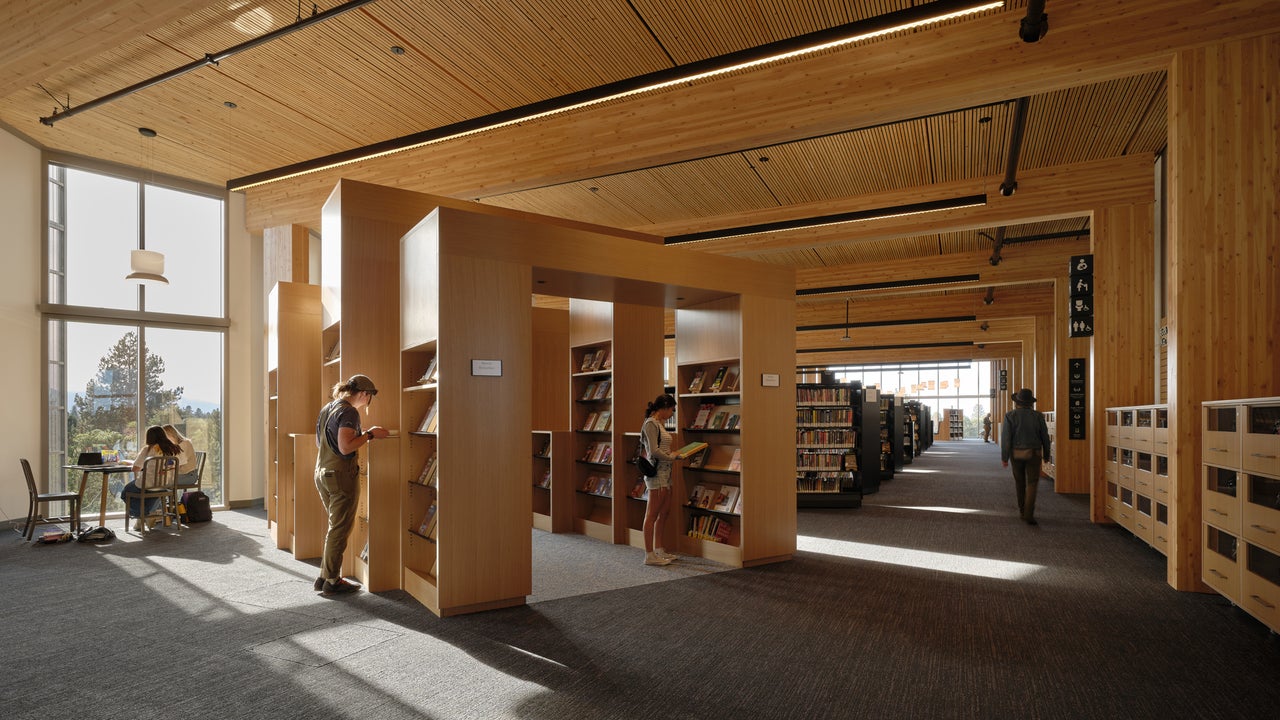
The Deschutes Public Library in Oregon has implemented a significant organizational overhaul, abandoning the century-old Dewey Decimal System in favor of a proprietary "Wayfinder" system designed to mimic the browsing experience of a bookstore. This change was initiated as part of a broader redesign of all library branches following the passage of a $195 million bond measure in 2020. The goal was to re-evaluate how libraries engage contemporary readers, moving away from the perceived limitations of the Dewey Decimal System, which was developed in 1873 and has been criticized for containing outdated 19th-century social perspectives.
The new Stevens Ranch Central Library in Bend, Oregon, a 100,000-square-foot facility designed by architects from the Miller Hull Partnership, serves as a prime example of this new philosophy. Instead of traditional library shelving, the branch features units designed to resemble those found in commercial bookstores. Books are now organized and displayed using the Wayfinder system, which aims to make the browsing process more intuitive and exciting for users. Emily O'Neal, a librarian and technical services manager for Deschutes Public Library who helped develop the Wayfinder system, stated that research indicated the majority of library users primarily visit to browse. The Wayfinder system eliminates the numerical categorization of Dewey, which assigns books to broad three-digit categories followed by decimal points for greater specificity. This shift is intended to make discovering books a more serendipitous and enjoyable experience, aligning with modern user expectations for accessible and engaging public spaces.
The Dewey Decimal System, created by Melvil Dewey, has been the standard for organizing library collections in the United States for over a century. It classifies knowledge into ten main classes, each divided into ten divisions, and further into ten sections. While effective for systematic cataloging, its rigid structure and historical context have led some to question its continued relevance in a rapidly changing information landscape. The Deschutes Public Library's experiment with Wayfinder represents a notable departure from this long-standing tradition, prioritizing user experience and discoverability over strict hierarchical classification. The success of this initiative could potentially influence other library systems seeking to modernize their approach to collection management and patron engagement. The redesign also incorporated other modern library functions, reflecting their evolving role as community hubs beyond just book repositories, including potential for maker spaces and climate resilience initiatives, though the primary focus of this particular change was book organization.
Original source — read the full reporting at the publisher:
Read on Fast CompanyGet the weekly AI digest
AI news + new model releases, weekly. Drafted by our agents, reviewed by humans.