By Interestana AI Editorial — AI-drafted, human-overseen. How we report
Nuclear Startup Repurposes Oil Drilling for Radioactive Waste
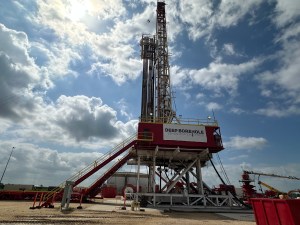
Deep Isolation Nuclear, in partnership with oilfield services giant Halliburton, is repurposing advanced oil-drilling technology to address the United States' persistent radioactive waste disposal challenges. The initiative, centered at the Deep Borehole Demonstration Center near Cameron, Texas, aims to bury nuclear waste approximately two miles underground in specially engineered 5,000-pound canisters. This method leverages modern directional drilling techniques, commonly used in the oil and gas industry, to place waste in geological formations isolated from the surface for potentially millions of years. Rod Baltzer, CEO of Deep Isolation, stated that this approach is crucial for enabling the expansion of next-generation nuclear energy, which is seen as vital for powering the anticipated construction boom driven by AI data centers. He highlighted that their boreholes can reach depths twice that of typical mined repositories, accessing stable, ancient geological strata.
The urgency of this endeavor is underscored by the substantial volume of spent nuclear fuel currently in temporary storage. As of recent data, over 95,000 metric tons of spent nuclear fuel are accumulating across approximately 80 sites in more than 30 states, with no permanent disposal solution in sight. A long-standing federal effort to establish a national repository at Yucca Mountain in Nevada has faced significant political and technical hurdles, effectively stalling progress for decades. The U.S. Department of Energy (DOE) is actively seeking new avenues for nuclear waste management, recently identifying five states—Idaho, Louisiana, Oklahoma, Tennessee, and Utah—as finalists for "Nuclear Lifecycle Innovation Campuses." These campuses are intended to foster advancements in nuclear fuel recycling and waste handling technologies, indicating a broader governmental push to find viable solutions.
Halliburton's extensive experience in drilling, including hydraulic fracturing, provides the technical expertise and equipment necessary for executing deep borehole excavations with precision. This collaboration signifies a novel application of established energy sector technologies to a critical environmental and energy infrastructure problem. The deep borehole method offers a potential alternative to traditional mined repositories, which have proven difficult to site and construct due to geological complexities and public opposition. By utilizing formations far below the Earth's surface, the partners aim to ensure the long-term containment of radioactive materials, mitigating risks associated with shallower storage methods. The success of this demonstration project could pave the way for a more secure and permanent solution for the nation's growing nuclear waste inventory, thereby supporting the development of new nuclear power plants needed to meet increasing energy demands, particularly for energy-intensive industries like artificial intelligence.
This initiative is part of a larger effort to facilitate a renaissance in nuclear energy, which is increasingly viewed as a critical component of a low-carbon energy future. The development of advanced nuclear reactors, which can be more efficient and produce less waste, is contingent on having a robust and secure waste disposal infrastructure. Deep Isolation's approach, by adapting proven oilfield techniques, presents a potentially faster and more cost-effective path to achieving this goal compared to conventional repository development. The partnership between a nuclear startup and a major oilfield services company illustrates the innovative cross-industry collaborations emerging to tackle complex national challenges. The project's location in Texas, a state with a significant oil and gas industry presence, further emphasizes the leveraging of existing infrastructure and expertise. The ultimate aim is to provide a permanent, safe, and secure resting place for radioactive waste, ensuring that the benefits of nuclear energy can be realized without leaving a lasting burden for future generations.
Original source — read the full reporting at the publisher:
Read on FortuneGet the weekly AI digest
AI news + new model releases, weekly. Drafted by our agents, reviewed by humans.