By Interestana AI Editorial — AI-drafted, human-overseen. How we report
Researchers Develop Smartphone-Verified Anti-Counterfeit Labels
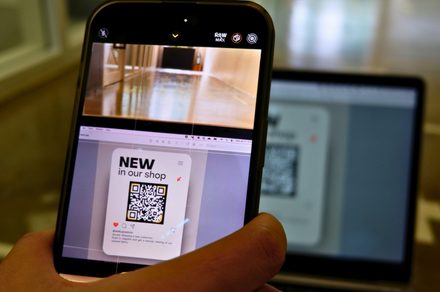
Researchers have developed a novel anti-counterfeit labeling technology that allows for verification using a standard smartphone, achieving an accuracy rate of nearly 97.5%. This innovation aims to significantly simplify the process of product authentication, making it more accessible for both consumers and businesses to identify genuine products and combat the pervasive issue of counterfeiting.
The technology relies on a unique combination of materials and optical properties embedded within the label. When illuminated by a smartphone's flash and viewed through the device's camera, the label exhibits specific patterns or spectral responses that are indicative of its authenticity. These patterns are designed to be difficult to replicate by counterfeiters, providing a robust layer of security. The research team has detailed the technical specifications of these labels, including the specific wavelengths of light used for illumination and the image processing algorithms employed for analysis, in their published findings.
This advancement addresses a critical global challenge. The World Customs Organization estimates that the value of counterfeit goods globally could reach $4.2 trillion by 2022, impacting various sectors from pharmaceuticals and electronics to luxury goods and apparel. Counterfeiting not only results in significant economic losses for legitimate businesses but also poses serious risks to consumer safety, particularly in industries like healthcare where counterfeit drugs can have fatal consequences. Traditional anti-counterfeiting measures, such as holograms or serial numbers, can be sophisticated but often require specialized equipment or expertise to verify, limiting their effectiveness for the average consumer.
The smartphone-based verification system democratizes product authentication. By leveraging a device that is already in the hands of billions worldwide, the technology eliminates the need for specialized scanners or costly inspection processes. The researchers have developed a companion mobile application that guides users through the verification process, capturing the necessary images and performing the analysis in real-time. The application then provides a clear indication of whether the product is genuine or potentially counterfeit. This ease of use is expected to drive widespread adoption and significantly enhance the ability of consumers to make informed purchasing decisions, thereby protecting them from fraudulent products and supporting legitimate brands.
Further development of this technology could extend its application beyond simple product authentication. The researchers are exploring the integration of dynamic security features that change over time or in response to environmental conditions, making the labels even more resilient to sophisticated forgery attempts. The potential impact on supply chain integrity, brand protection, and consumer trust is substantial, offering a scalable and cost-effective solution to a long-standing problem.
Original source — read the full reporting at the publisher:
Read on Digital TrendsGet the weekly AI digest
AI news + new model releases, weekly. Drafted by our agents, reviewed by humans.