By Interestana AI Editorial — AI-drafted, human-overseen. How we report
Divine Launches, Aiming to Revive the Spirit of Vine with a Focus on User Agency
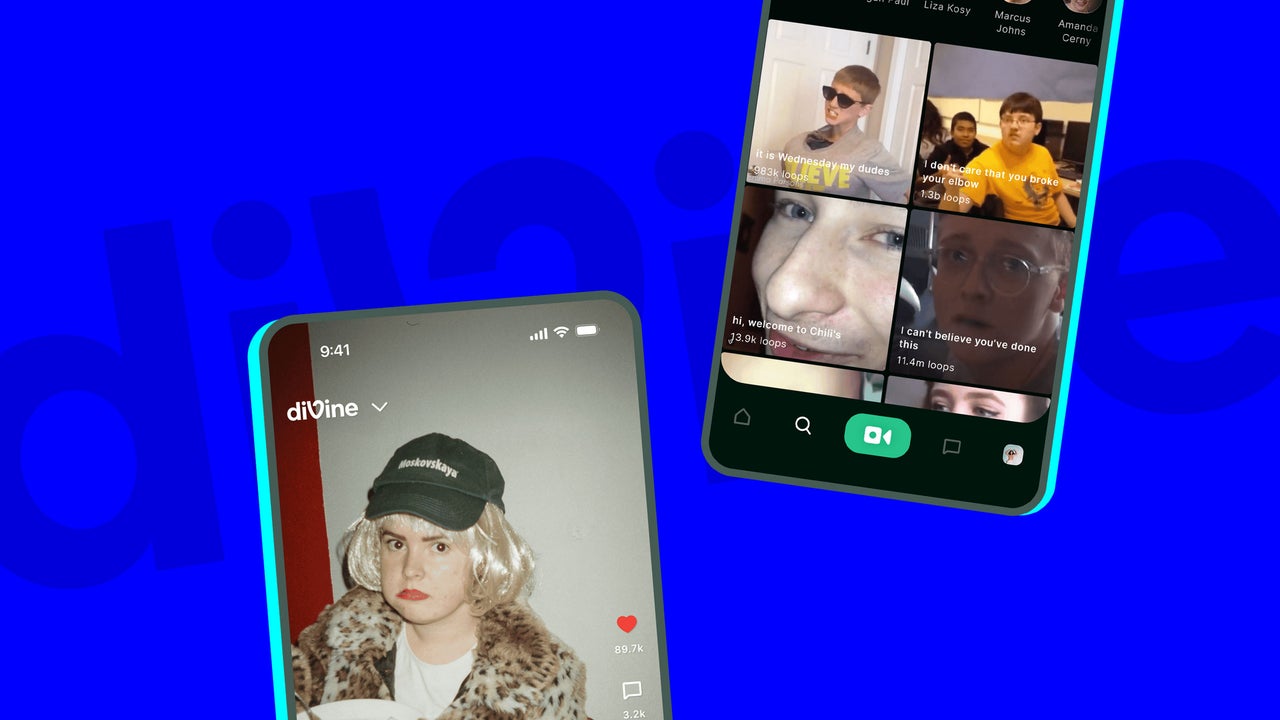
Divine, a new social network designed to recapture the essence of the defunct Vine platform, officially launched this week after a nine-month beta testing period. The app aims to provide a Vinelike experience, which was famously characterized by its six-second looping video clips. Vine itself was a product of early social media innovation, having been acquired by Twitter in October 2012, shortly before its public launch. It quickly became a beloved haven for silly, minimalist self-expression, fostering a dedicated community that deeply cherished its unique format. However, despite its popularity among a passionate user base, Vine struggled to gain sufficient traction within the larger Twitter ecosystem to establish itself as a robust business. This ultimately led to Twitter's announcement in October 2016 that the platform would be shut down, with the closure taking effect the following January. The loss of Vine was met with significant mourning from its devoted followers, many of whom continued to articulate the platform's cultural significance and impact.
Divine represents a significant effort to resurrect this lost experience, spearheaded by Evan Henshaw-Plath, widely known by his online pseudonym Rabble. Henshaw-Plath is a notable figure in the early days of social media, having been instrumental in the initial creation of Twitter. His new venture, Divine, not only allows users to create new six-second videos, effectively functioning as a standalone social network, but also provides access to an extensive archive of over 100,000 original Vine videos that he has meticulously curated. This revival arrives nearly a decade after Vine's original demise, entering a highly competitive landscape already populated by dominant short-form video platforms such as TikTok, YouTube Shorts, and Meta's Reels.
A key differentiator for Divine, as emphasized by Rabble, is its intentional departure from the algorithm-driven content feeds that characterize most modern social media. He highlights that the original Vine offered users a greater sense of agency, enabling them to actively choose who they followed and how they discovered content. In Vine's heyday, content spread organically through user actions like reposting, revining, and reboosting, rather than being dictated by algorithms designed to maximize user engagement and time spent on the platform. This human-driven form of curation was a defining characteristic of Vine's early appeal, even as the broader internet began to trend towards more automated content discovery mechanisms. Divine seeks to restore this sense of user control and organic discovery, positioning itself as an alternative to the pervasive algorithmic culture that prioritizes constant, often passive, content consumption. The platform's commitment to the strict six-second limit and its emphasis on user-controlled feeds are intended to foster a more deliberate and community-oriented sharing environment, harkening back to the minimalist, expressive, and user-empowered culture that defined Vine's initial success.
Original source — read the full reporting at the publisher:
Read on Fast CompanyGet the weekly AI digest
AI news + new model releases, weekly. Drafted by our agents, reviewed by humans.