By Interestana AI Editorial — AI-drafted, human-overseen. How we report
CATL Unveils Fast-Charging Battery for Delivery Vans
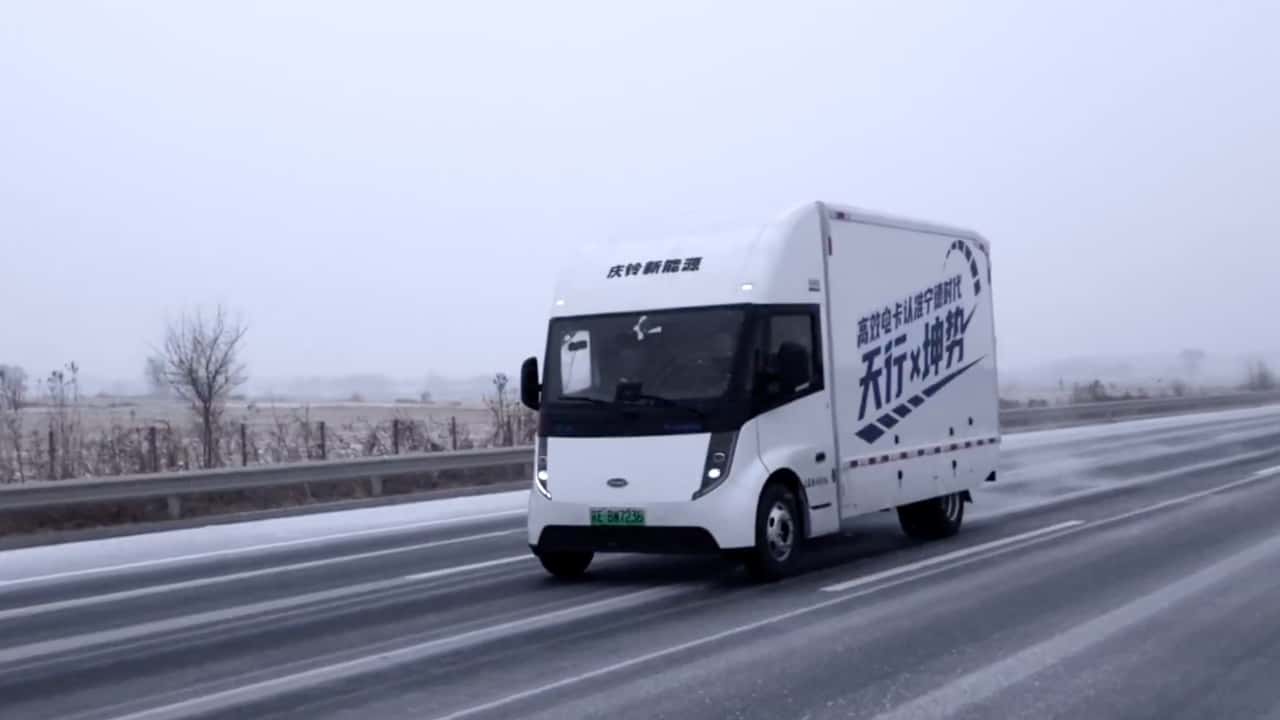
Contemporary Amperex Technology Co. Limited (CATL) unveiled a new battery technology designed for electric delivery vans that can achieve an 80% charge in approximately 7 minutes. This rapid charging capability aims to address a key bottleneck for commercial electric vehicle fleets, reducing operational downtime and increasing efficiency.
The new battery utilizes CATL's advanced condensed matter electrolyte technology, which enables faster ion transfer and improved thermal management. This allows for higher charging rates without compromising battery lifespan or safety. The company stated that this technology is particularly beneficial for last-mile delivery services, where vehicles often undergo multiple charging cycles throughout a single day.
In addition to the fast-charging capabilities, CATL also highlighted a low-temperature sodium-ion version of the battery. This variant is engineered to maintain its range even in extreme cold, with minimal performance degradation at temperatures as low as -40 degrees Fahrenheit. This feature is crucial for fleets operating in diverse climates, ensuring consistent performance year-round.
CATL, a leading global supplier of lithium-ion batteries, has been investing heavily in research and development to enhance battery performance and expand their applications. The introduction of this specialized battery for delivery vans underscores the company's strategy to cater to specific market needs within the rapidly growing electric vehicle sector. The company has not yet announced specific pricing or availability details for the new battery technology.
Original source — read the full reporting at the publisher:
Read on InsideEVsGet the weekly AI digest
AI news + new model releases, weekly. Drafted by our agents, reviewed by humans.