By Interestana AI Editorial — AI-drafted, human-overseen. How we report
MIT Spinout Coastal Assembly Deploys AI-Designed Artificial Reefs to Combat Beach Erosion, Doubling Maldives Beach Size
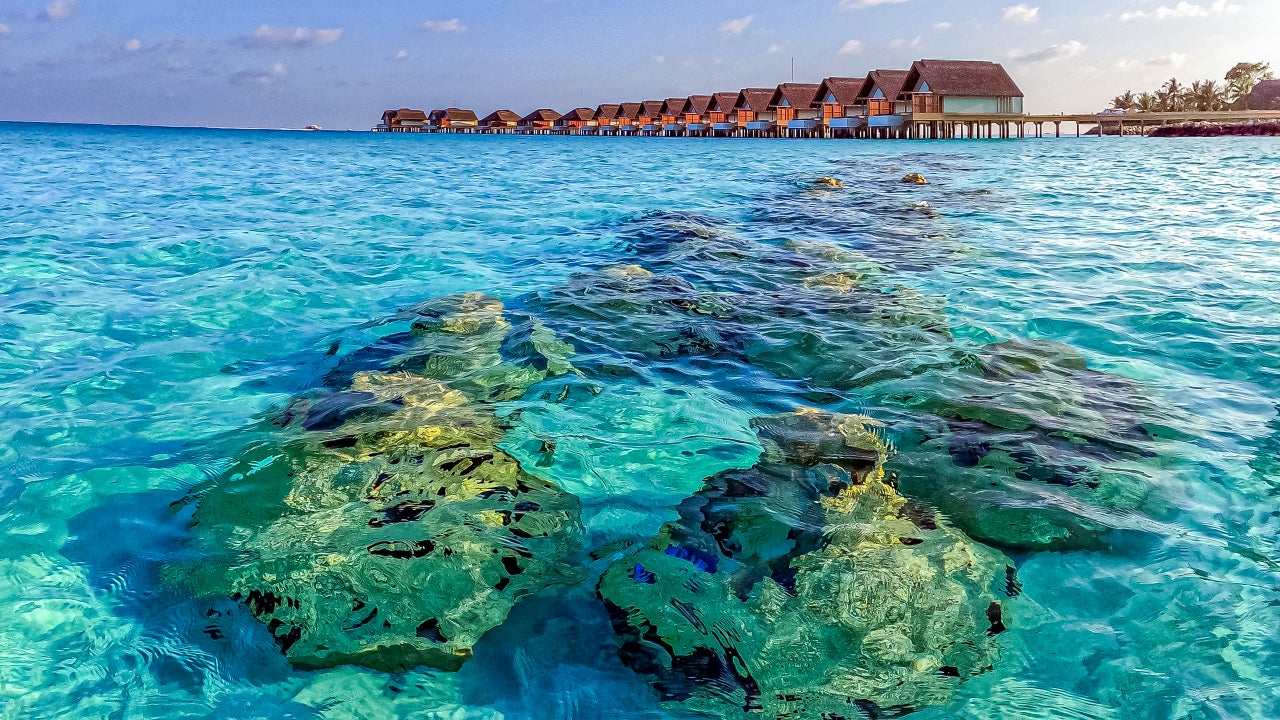
Coastal erosion poses a significant threat to coastlines worldwide, and traditional solutions like sand dredging offer only temporary relief while often harming delicate marine ecosystems. A groundbreaking approach is being pioneered by Coastal Assembly, a startup that emerged from research conducted at the Massachusetts Institute of Technology (MIT). This innovative company has designed an artificial reef system that leverages artificial intelligence (AI) to analyze vast amounts of data, including satellite imagery and ocean current patterns, to predict and combat beach erosion.
Recently, a Marriott resort on a small island in the Maldives faced a severely eroding beach. Instead of resorting to conventional methods, the resort experimented with Coastal Assembly's artificial reef technology. The system involves strategically placing custom-designed concrete blocks offshore. These blocks are engineered to dissipate wave energy and redirect sand naturally back to the shoreline, effectively rebuilding and stabilizing the beach. The AI component is crucial, as it analyzes a decade's worth of data to forecast critical erosion zones months or even a year in advance. This predictive capability allows for targeted interventions, ensuring that resources are focused on the most vulnerable areas.
In the Maldives pilot project, 54 blocks made from marine-grade concrete and local aggregate were installed approximately 150 feet offshore. The results were remarkably swift and effective. Within just six months, across a 300-foot stretch of shoreline, the beach's depth increased by an impressive 90 feet. Two years later, the same beach has doubled in size, demonstrating the long-term efficacy and sustainability of the system. Beyond its primary function of beach restoration, the artificial reefs have also become thriving habitats for marine life. New coral colonies have begun to grow on the structures, and a diverse array of fish and sea anemones now inhabit the area, indicating a positive impact on the local marine ecosystem.
Skylar Tibbits, a professor in MIT’s architecture department and the director of the university’s Self-Assembly Lab, is a key figure behind this research. The Self-Assembly Lab explores how materials and environments can transform themselves, a principle that underpins Coastal Assembly's work. The company, which officially spun out of MIT research at the end of last year, secured $4.4 million in funding this past summer. This capital infusion is enabling Coastal Assembly to scale its operations and offer its solutions to a wider range of coastal communities facing similar challenges. A critical aspect of the system's success is its adaptability; researchers continuously monitor the environmental conditions and can adjust the placement or configuration of the blocks if external factors, such as nearby construction projects that might alter wave patterns, necessitate it. This proactive and data-driven approach ensures the sustained effectiveness of the artificial reefs in preserving vital coastlines.
Original source — read the full reporting at the publisher:
Read on Fast CompanyGet the weekly AI digest
AI news + new model releases, weekly. Drafted by our agents, reviewed by humans.