By Interestana AI Editorial — AI-drafted, human-overseen. How we report
Trump's Iran Strategy May Hinge on Understanding Enemy Motivation
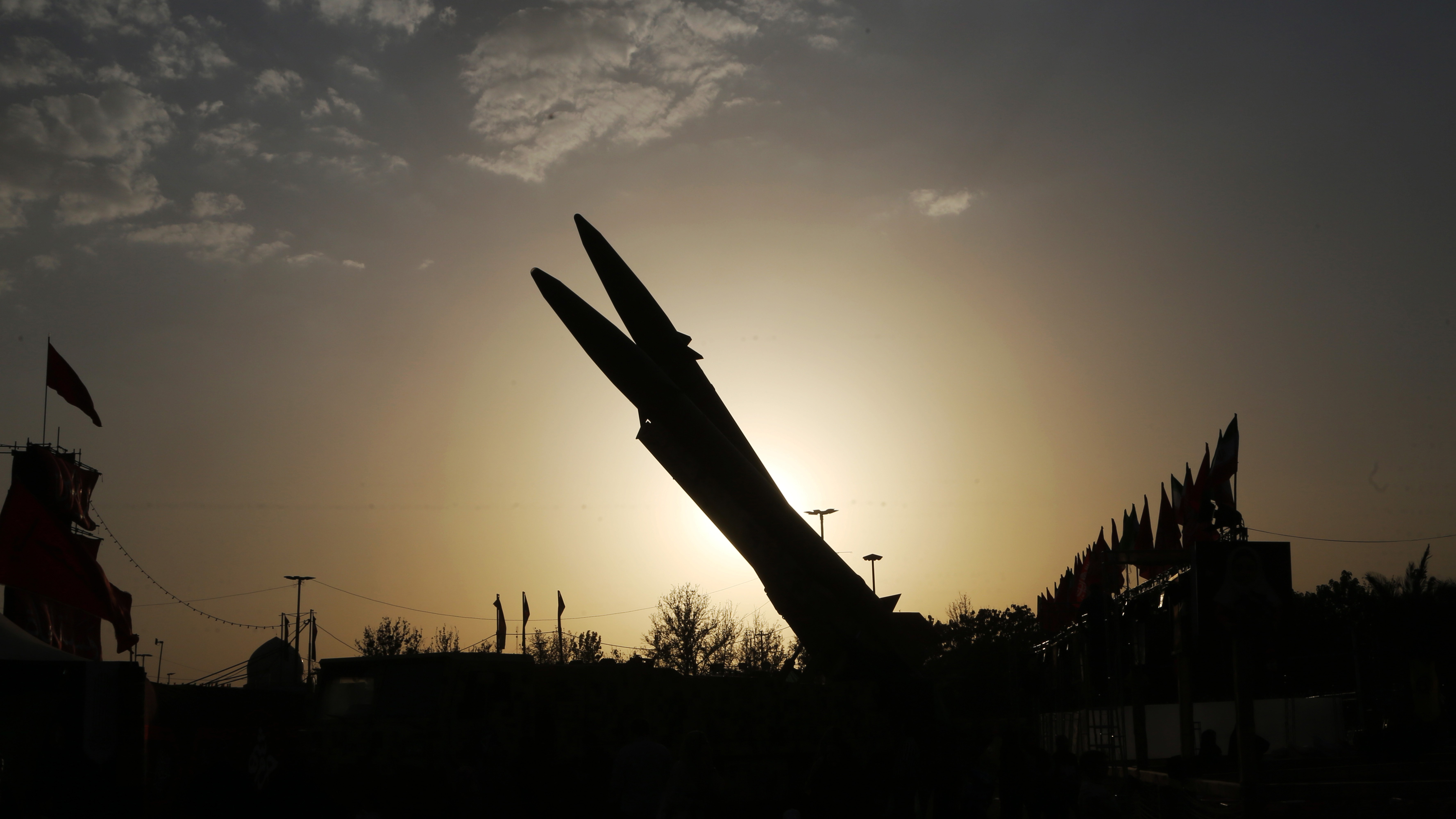
Donald Trump's foreign policy towards Iran, particularly in the context of potential military escalation, may be significantly hampered by a failure to accurately comprehend the motivations and strategic calculations of the Iranian regime. This perspective suggests that a successful strategy, especially one involving conflict, necessitates a deep understanding of an adversary's core drivers, historical grievances, and ultimate goals. Without this foundational knowledge, actions taken by the United States could inadvertently provoke unintended consequences or fail to achieve desired outcomes.
The analysis posits that Iranian actions, often perceived by external observers as purely reactive or irrational, are in fact rooted in a complex interplay of domestic political pressures, regional security concerns, and a long-standing resistance to foreign interference. Understanding these internal dynamics is crucial for predicting Iranian responses and formulating effective countermeasures. For instance, Iran's pursuit of nuclear capabilities, while a significant concern for international security, can be viewed through the lens of its perceived need for deterrence against external threats, a motivation that might be overlooked in a purely confrontational approach.
Furthermore, the effectiveness of sanctions, a primary tool in the U.S. foreign policy arsenal against Iran, is also called into question if the underlying economic and social impacts are not fully appreciated. Sanctions can have varied effects, sometimes strengthening hardline factions by rallying nationalist sentiment, or conversely, exacerbating internal divisions that could be leveraged. A nuanced understanding of these potential outcomes is vital for calibrating the pressure applied and anticipating the regime's resilience or vulnerability.
The article implies that a strategy focused solely on punitive measures or military posturing, without a parallel effort to understand the 'why' behind Iran's actions, risks miscalculation. This could lead to an escalation spiral that neither side desires, or conversely, a missed opportunity for de-escalation if the right diplomatic channels and understanding are not present. The core argument is that strategic success in dealing with complex geopolitical actors like Iran requires more than just power projection; it demands a sophisticated grasp of their internal logic and motivations, a factor that may have been underestimated in past U.S. policy decisions.
Original source — read the full reporting at the publisher:
Read on The AtlanticGet the weekly AI digest
AI news + new model releases, weekly. Drafted by our agents, reviewed by humans.