By Interestana AI Editorial — AI-drafted, human-overseen. How we report
The Cognitive Toll of TikTok: Scientists Sound Alarm on Short-Form Video's Impact on the Brain
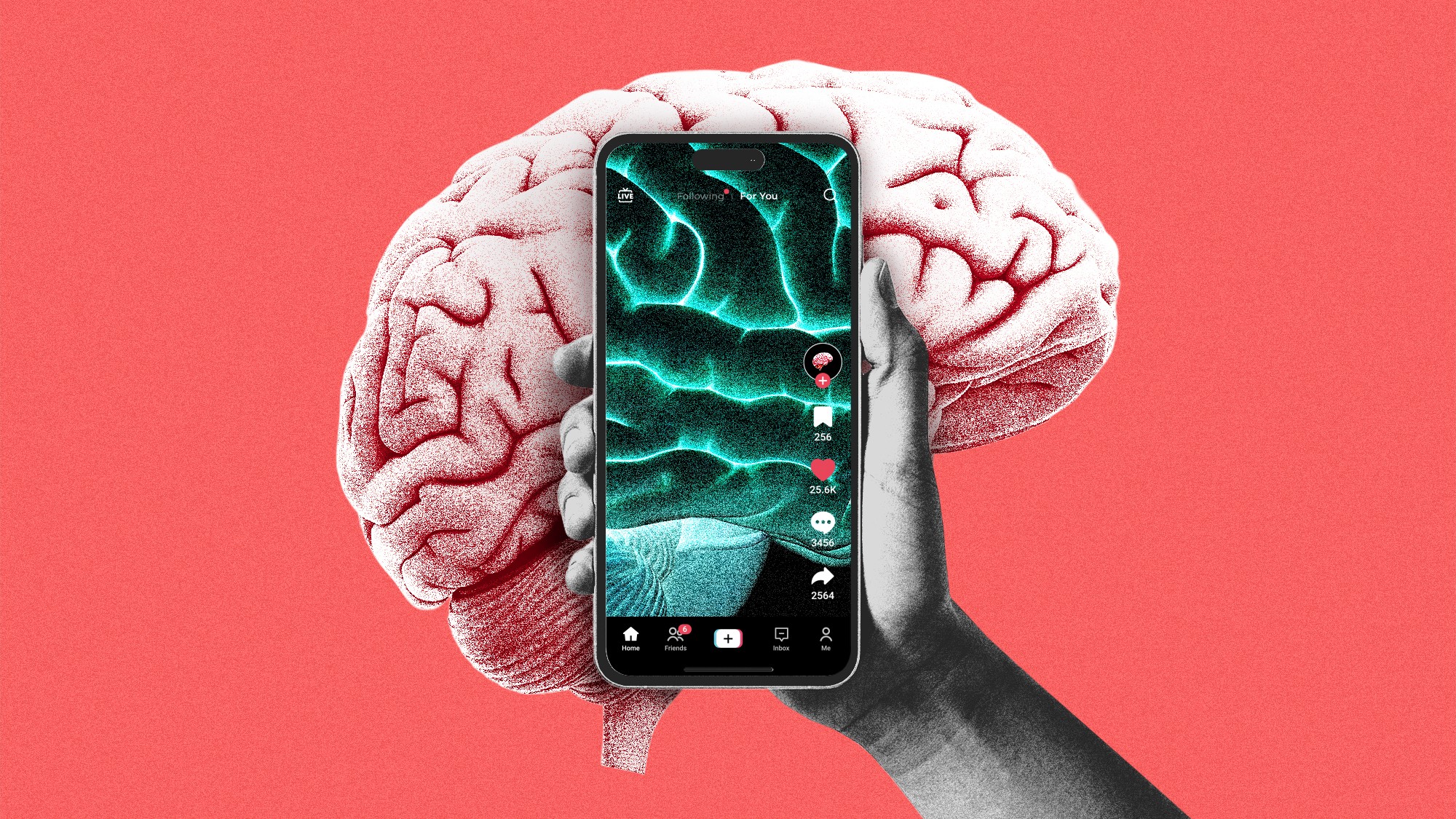
Scientists are embarking on a critical examination of the cognitive effects of short-form video platforms, epitomized by TikTok, acknowledging a significant gap in current understanding but expressing growing concern based on preliminary indicators. The precise neurological pathways and mechanisms through which these platforms influence human cognition remain largely unmapped. However, initial observations suggest potential detrimental consequences for various cognitive functions. The inherent design of short-form video, characterized by its rapid-fire content delivery, constant novelty, and immediate gratification loops, is suspected of fundamentally altering attention spans and information processing capabilities. Researchers are actively investigating how the human brain adapts to this distinct mode of content consumption, which diverges sharply from traditional media formats such as books or longer-form video content. The incessant stream of short, highly engaging clips may be conditioning users to anticipate and require perpetual stimulation, potentially diminishing their capacity for sustained focus, deep thought, and complex problem-solving. This phenomenon is particularly salient given the pervasive adoption of these platforms across diverse demographics, with a notable concentration among younger audiences whose brains are still undergoing crucial developmental stages. The implications of these potential cognitive shifts extend to a wide array of societal domains, including educational efficacy, professional productivity, and overall mental well-being. The brain's remarkable neuroplasticity means that habitual activities, including prolonged engagement with short-form video, can actively reshape neural pathways. Consequently, further rigorous scientific research is deemed essential to quantify these effects, pinpoint specific cognitive domains that are most vulnerable to these influences, and elucidate the long-term ramifications of sustained exposure to short-form video content. The scientific community is advocating for more robust and dedicated studies to move beyond anecdotal evidence and establish a clearer, evidence-based understanding of the intricate relationship between short-form video consumption and human cognition. This includes exploring potential links to issues such as reduced working memory capacity, impaired critical thinking skills, and an increased susceptibility to distractions. Comprehending these impacts is paramount for developing effective strategies to mitigate any adverse effects and foster healthier, more balanced digital habits. The current paucity of comprehensive data underscores the urgent need for dedicated research initiatives to address this burgeoning public health concern.
Original source — read the full reporting at the publisher:
Read on The AtlanticGet the weekly AI digest
AI news + new model releases, weekly. Drafted by our agents, reviewed by humans.