By Interestana AI Editorial — AI-drafted, human-overseen. How we report
Airport Baggage Claim Location Tricks Passengers
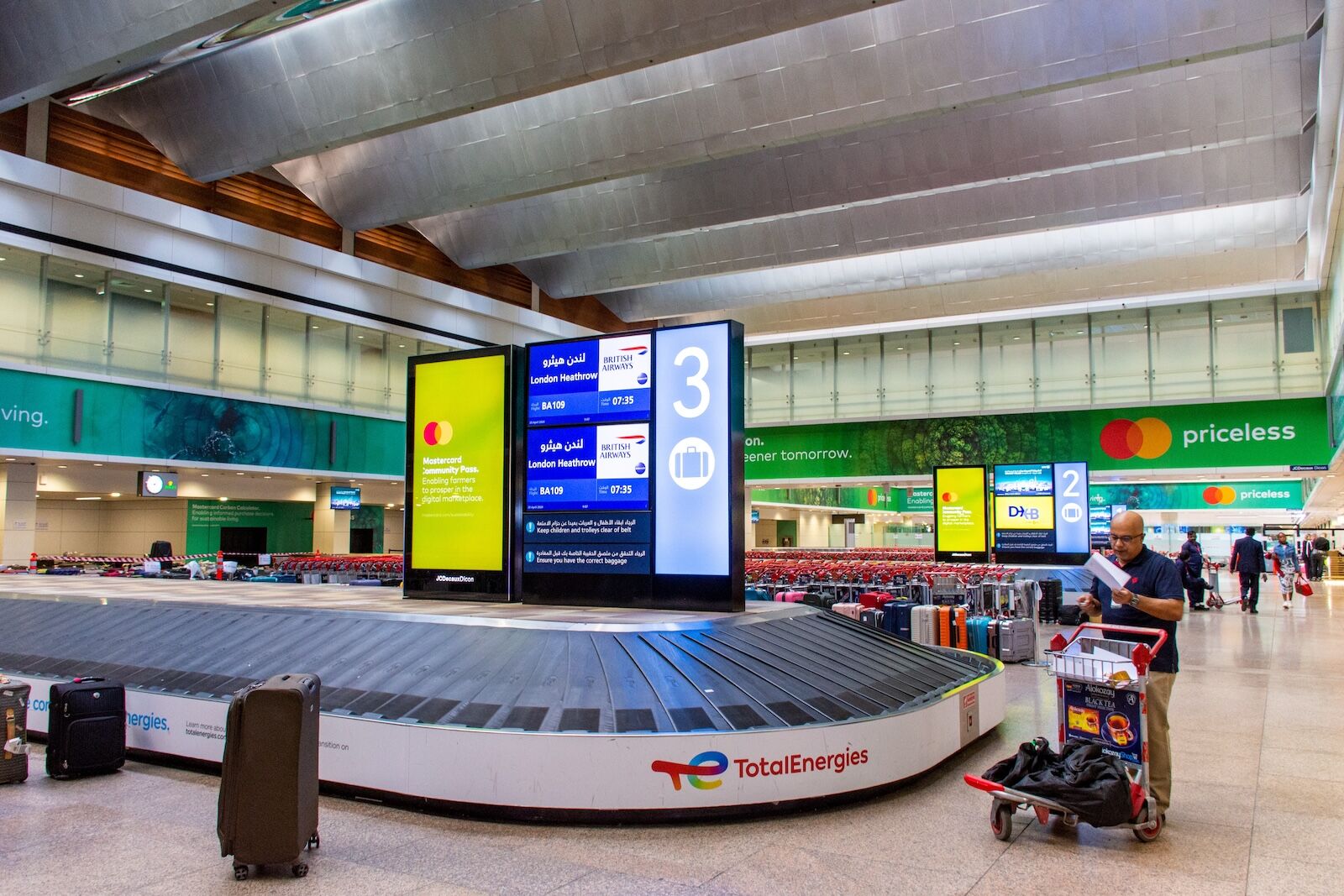
Airports have employed a design strategy to mitigate passenger frustration with baggage claim wait times by relocating baggage carousels to the farthest possible points from the arrival gates. This tactic, reportedly used at the Houston, Texas, airport, aims to leverage principles of "queuing psychology" to make the perceived wait time feel shorter, even if the actual time spent waiting remains the same or is longer. The strategy involves moving the baggage claim area to the far side of the airport. By the time passengers complete the extended walk from their arrival gate to the new baggage claim location, their luggage is often already available at the carousel.
This approach was highlighted by a user on the social media platform TikTok, account @designsecretsss, who explained that airlines at the Houston airport were facing persistent complaints about baggage retrieval times. Even after implementing measures such as hiring additional staff to expedite the process and reducing the actual wait time to eight minutes, passenger dissatisfaction continued. The executives then adopted the psychological trick of moving the baggage claim. According to the account, this change resulted in a complete cessation of complaints, with wait-time satisfaction reportedly dropping to zero.
The anecdote about strategically placed baggage claims has circulated in various forms since at least 2012. It first appeared in The New York Times as an illustration of "queuing psychology," a field that examines how individuals experience waiting periods. Subsequent retellings have appeared in publications like The Guardian, on psychology blogs, and in social media discussions, with minor variations in the specific timeframes cited. Some versions suggest the walk increased from one minute to six minutes, while others describe it as a 12-minute round trip to file a complaint. However, the fundamental concept remains consistent: time spent actively engaged, such as walking, feels shorter than time spent passively waiting, even when the total elapsed duration is identical or greater.
This psychological principle extends beyond airport folklore and is recognized by researchers who study queues. Scholars affiliated with institutions such as MIT's operations research community have long observed that perceived wait times and actual wait times are distinct phenomena. Factors like uncertainty, boredom, and a lack of visible progress contribute to a longer perceived wait, whereas engagement and a sense of progress can shorten it. The airport's strategy capitalizes on this by making the journey to baggage claim an occupied activity, thereby altering the passenger's psychological experience of waiting for their luggage.
Original source — read the full reporting at the publisher:
Read on Matador NetworkGet the weekly AI digest
AI news + new model releases, weekly. Drafted by our agents, reviewed by humans.