By Interestana AI Editorial — AI-drafted, human-overseen. How we report
Solar Scooter Aims for Plug-Free Commuting
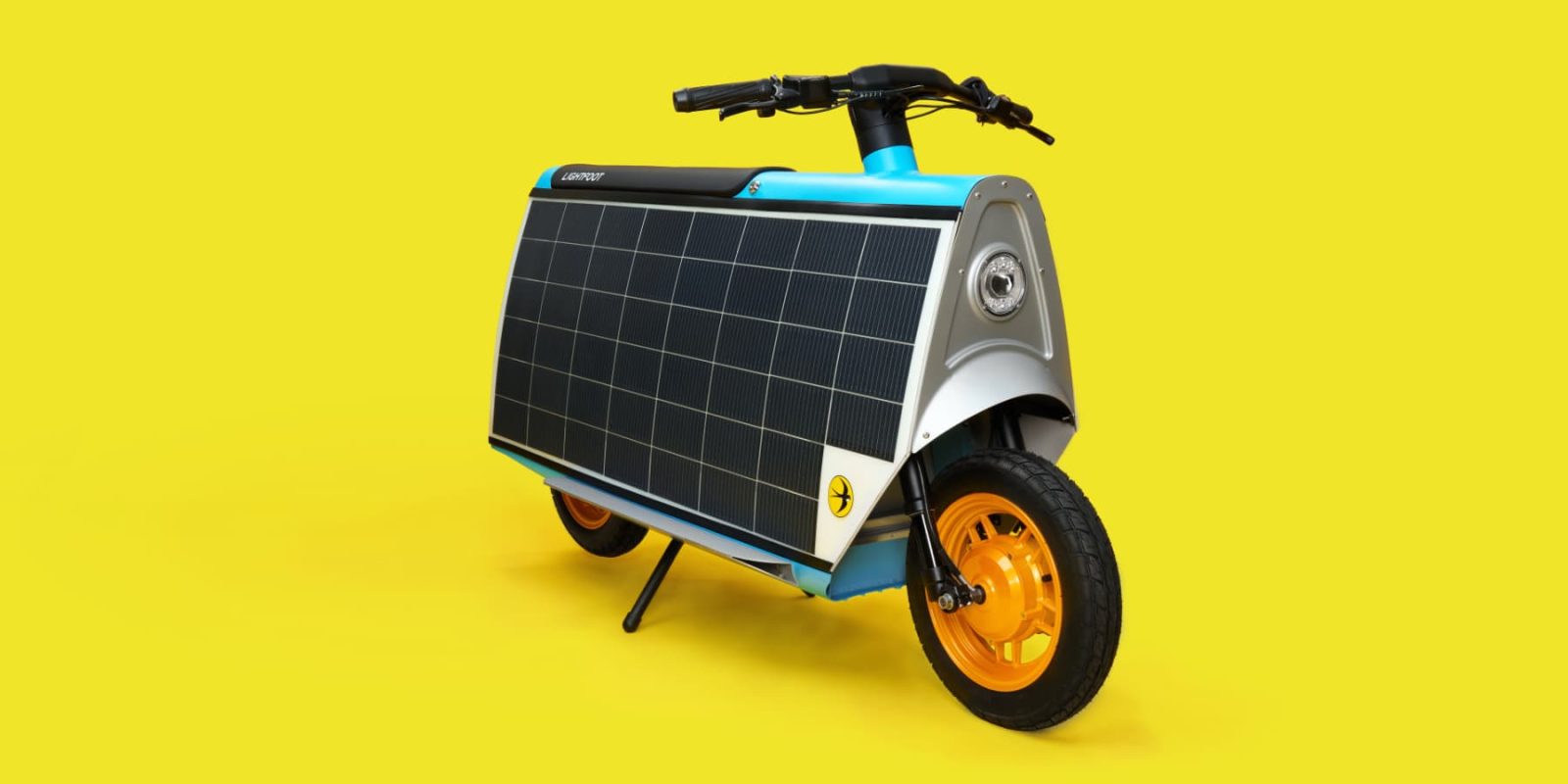
A prototype electric scooter has been developed with the aim of enabling plug-free commuting by integrating solar panels for self-recharging. This innovative approach seeks to address the common trend of electric scooters becoming larger and more feature-rich, instead focusing on a minimalist design optimized for short urban journeys. The core concept revolves around determining the essential requirements for local transportation needs, moving away from the escalation of power and size often seen in the electric vehicle market.
The scooter's design incorporates photovoltaic panels, which are intended to continuously replenish the battery using solar energy. This feature is particularly relevant for users who primarily undertake short trips, such as commuting to work, running errands, or navigating a university campus. The goal is to provide a sustainable and convenient mobility solution that reduces reliance on grid electricity. While specific details regarding the efficiency of the solar charging system or the scooter's range on a single charge are not yet fully elaborated, the underlying principle is to leverage renewable energy to maintain operational power.
This development represents a departure from the typical electric scooter market, which often prioritizes speed, acceleration, and extended range through larger battery packs and more powerful motors. Instead, this solar-powered concept emphasizes practicality and environmental consciousness for everyday use. The designers are questioning the necessity of current electric scooter specifications for the majority of urban travel, suggesting that a more streamlined and energy-independent design could meet the needs of many commuters. The prototype is positioned as a solution for those seeking an eco-friendly alternative that minimizes charging downtime and environmental impact.
The project highlights a growing interest in alternative energy integration within personal mobility devices. By harnessing solar power, the scooter aims to offer a unique value proposition: a vehicle that can potentially operate indefinitely without needing to be plugged into a charging station, provided sufficient sunlight exposure. This could significantly enhance the user experience by removing the logistical challenges associated with charging, such as finding available outlets or waiting for the battery to replenish. The focus on simplicity and self-sufficiency suggests a potential niche in the burgeoning micro-mobility sector, catering to environmentally aware consumers and those looking for a low-maintenance urban transport option.
Original source — read the full reporting at the publisher:
Read on ElectrekGet the weekly AI digest
AI news + new model releases, weekly. Drafted by our agents, reviewed by humans.