By Interestana AI Editorial — AI-drafted, human-overseen. How we report
Queer Matchbooks Documented Mid-20th Century Gay Cruising Culture
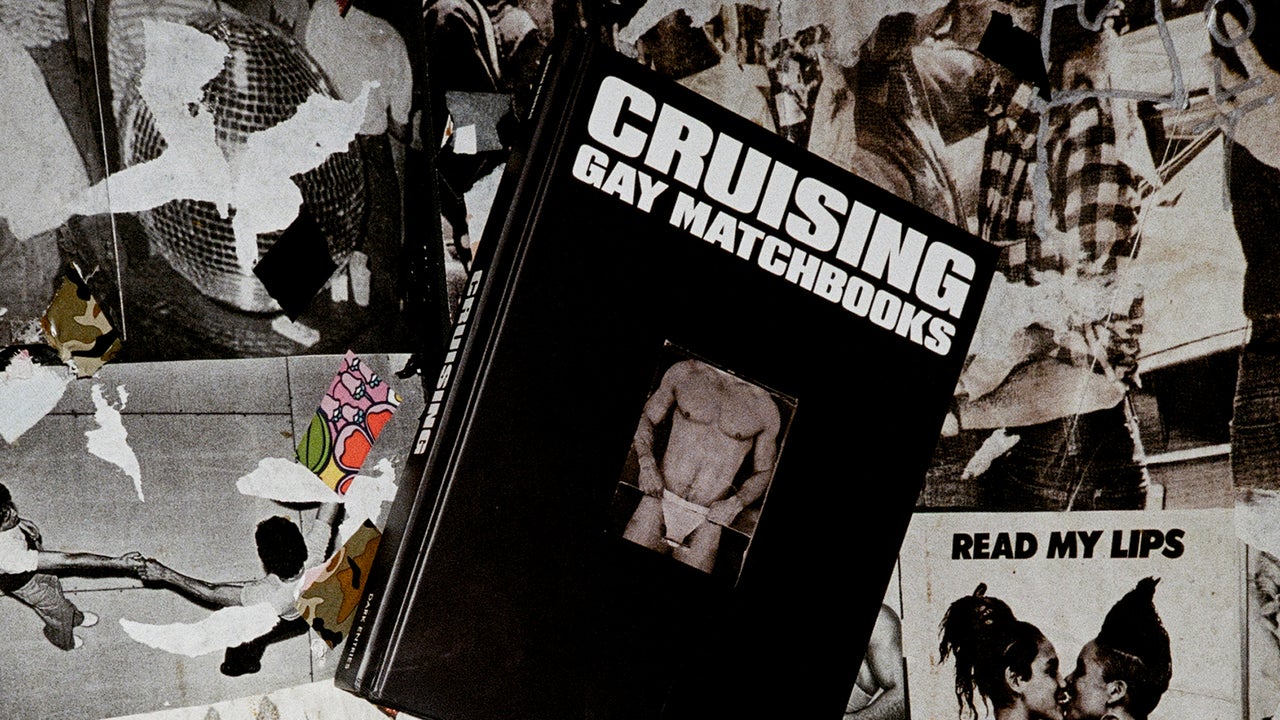
In the mid-20th century, before the advent of digital dating applications, gay men utilized collectible matchbooks as a discreet method for exchanging contact information and facilitating social connections within unmarked bars. These matchbooks, often found under the ambient glow of swag lamps and amidst cigarette smoke, served a dual purpose: as a tool for lighting cigarettes and as a clandestine registry of potential partners. They were a common feature in gay bars during this era, reflecting a time when queer spaces cultivated distinct visual identities tailored to their local communities. These artifacts are now the focus of two books by designer and editor Darian Newman, titled "Cruising: Gay Matchbooks." The first edition, released in spring 2025, achieved multiple sell-outs, prompting Newman to produce a second volume. This subsequent book features an additional 200 unique matchbook designs and includes 12 curated essays that further explore the cultural significance of these items. Newman highlights that these matchbooks represent a period when queer spaces were designed with intentionality for their patrons, offering a rare visual record of queer joy. In an era predominantly remembered through narratives of struggle and persecution, these matchbooks provide a counterpoint, showcasing moments of pleasure and social engagement. Newman emphasizes in the book's introduction that while design for marginalized communities often centers on protest, these matchbooks exude pleasure derived from social outings, the simple act of lighting a cigarette, and the anticipation of connecting with a stranger. The matchbooks themselves bear the names of various clubs, such as "Manhole," "Dude City," "Mother Lode," and "The Mind Shaft," often embellished with custom typography and hand-drawn illustrations or photography. This level of detail underscores the unique branding and community-building efforts within these establishments. Given that gay bars were frequently subject to police raids and patrons required a significant degree of discretion for personal safety, these matchbooks functioned as a vital, albeit analog, tool for navigating social and romantic lives. They served as a tangible link to a community that often had to operate outside mainstream visibility, preserving a visual history of queer social life and personal connections.
Original source — read the full reporting at the publisher:
Read on Fast CompanyGet the weekly AI digest
AI news + new model releases, weekly. Drafted by our agents, reviewed by humans.