By Interestana AI Editorial — AI-drafted, human-overseen. How we report
Acetaminophen Linked to 400% Rise in Liver Injuries
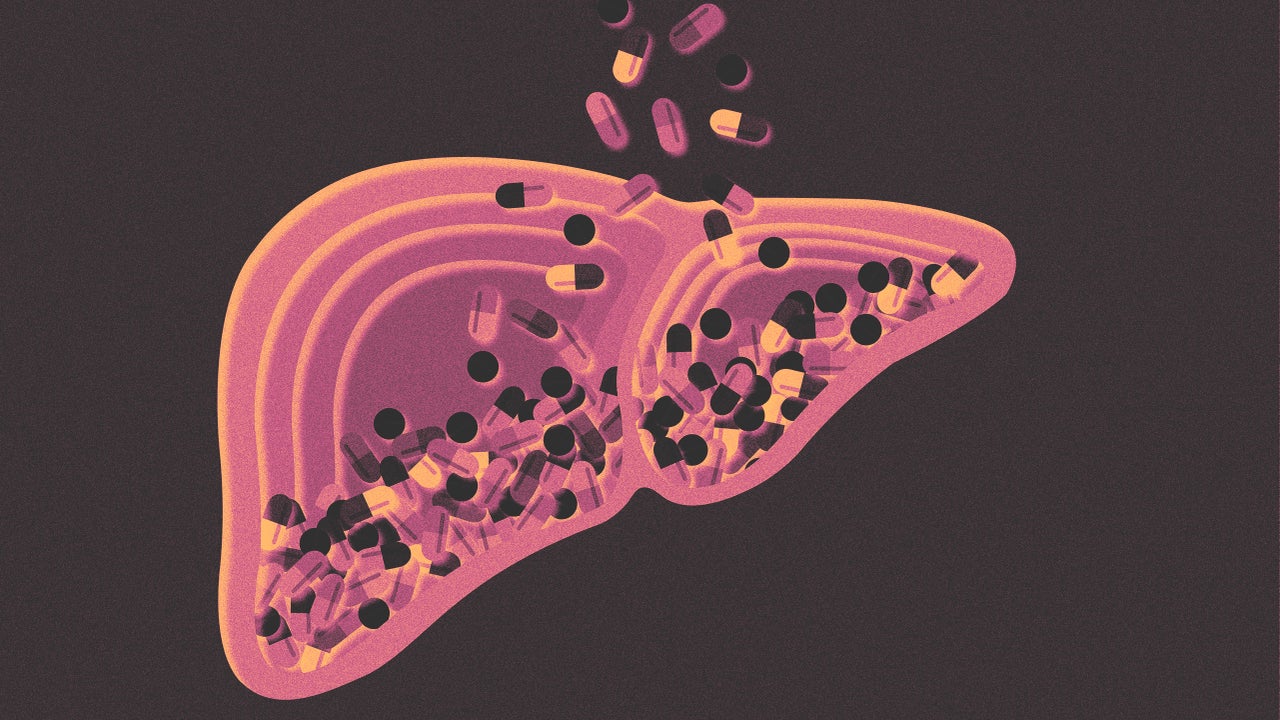
A recent study has identified a significant surge in liver injuries linked to foreign substances, with acetaminophen, the primary active ingredient in Tylenol, emerging as a leading culprit. The research, conducted by Christopher P. Holstege MD at the University of Virginia Health's Blue Ridge Poison Center, documented a 400% increase in such injuries over the past 25 years. The study analyzed 220,160 cases of liver injury attributed to "xenobiotic" substances, which are not naturally found in the body. This represents a dramatic rise in incidence, from 11 cases per million to 53 cases per million. The findings indicate that a substantial proportion of patients experiencing drug-induced liver damage require hospitalization, with 85% of men and 94% of women needing admission. The mechanism of acetaminophen-induced liver damage involves the drug's metabolism in the liver. A small fraction of acetaminophen is converted into a toxic byproduct known as NAPQI. The liver typically neutralizes NAPQI using glutathione molecules. However, when excessive amounts of acetaminophen are ingested, the liver's glutathione reserves are depleted, leading to an accumulation of NAPQI. This buildup can result in symptoms such as abdominal pain, nausea, vomiting, unusual bleeding, and, in severe instances, liver failure. Such overconsumption often occurs when individuals unknowingly take multiple medications containing acetaminophen, a common ingredient in numerous over-the-counter drugs, including pain relievers and cold medicines. The risk is particularly elevated when acetaminophen is taken on an empty stomach. In the most critical cases, liver transplant may become necessary. While any individual can be affected by excessive acetaminophen intake, those with pre-existing liver conditions and individuals who consume alcohol frequently are at a heightened risk. Medical professionals emphasize the importance of carefully checking medication labels to prevent accidental double-dosing. Following a 2011 recommendation by the Food and Drug Administration (FDA) to discontinue dispensing combination prescriptions containing more than 325 mg of acetaminophen, the study noted an 85% decrease in cases involving acetaminophen-containing drugs, underscoring the impact of regulatory interventions on public health outcomes related to medication safety.
Original source — read the full reporting at the publisher:
Read on Fast CompanyGet the weekly AI digest
AI news + new model releases, weekly. Drafted by our agents, reviewed by humans.