By Interestana AI Editorial — AI-drafted, human-overseen. How we report
MRCOOL Launches All-In-One Heat Pump With No Outdoor Unit
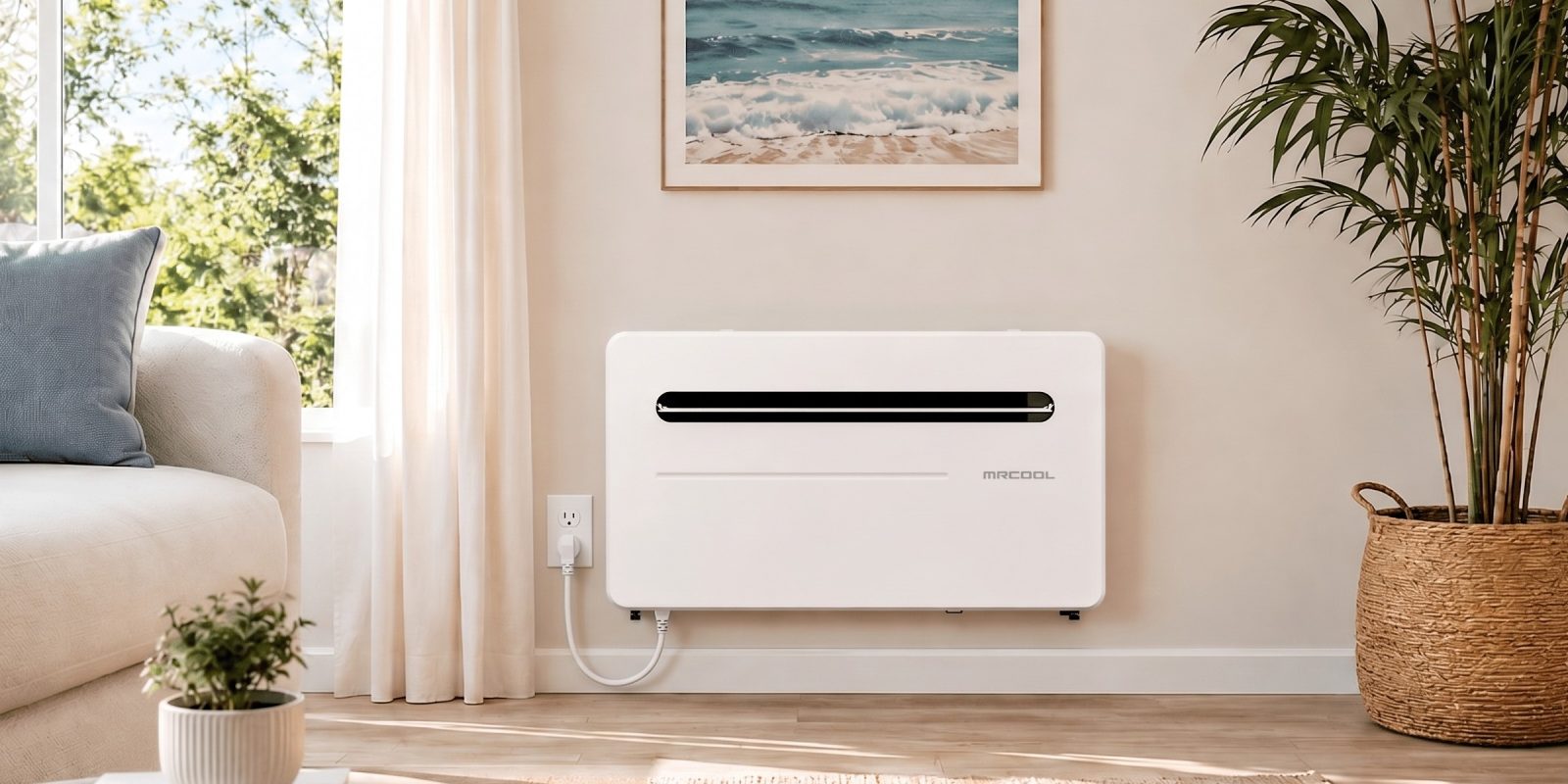
MRCOOL, a company headquartered in Hickory, Kentucky, has launched a novel all-in-one heat pump designed for simplified installation and operation. This new unit distinguishes itself by not requiring a separate outdoor condenser unit, a common component in traditional heat pump systems. Instead, the entire system is contained within a single, self-contained unit that can be plugged directly into a standard 115-volt wall outlet. This design eliminates the need for complex wiring and refrigerant lines that typically connect indoor and outdoor components, significantly reducing installation complexity and cost.
The absence of an outdoor unit also means the system is more aesthetically pleasing and requires less space, making it suitable for a wider range of residential applications, including apartments, townhouses, and homes where traditional HVAC installations might be challenging or undesirable. The 115-volt power requirement further enhances its accessibility, as it can utilize existing standard electrical outlets without the need for specialized high-voltage circuits often associated with larger HVAC systems. This feature makes it a more energy-efficient and convenient option for consumers seeking supplemental or primary heating and cooling solutions.
MRCOOL's innovation addresses a long-standing barrier to heat pump adoption: the complexity and cost of installation, particularly the need for professional HVAC technicians to handle outdoor units and refrigerant handling. By integrating all components into a single, plug-and-play unit, MRCOOL aims to empower consumers with a more DIY-friendly approach to climate control. The company has a history of developing user-friendly HVAC solutions, and this latest product appears to be a significant step in that direction. The implications of this design could extend to increased adoption of heat pump technology, contributing to broader energy efficiency goals and reduced reliance on fossil fuels for heating and cooling.
While specific performance metrics such as heating and cooling capacity (measured in BTUs), energy efficiency ratings (like SEER and HSPF), and operating temperature ranges were not detailed in the initial announcement, the core innovation lies in its integrated design and standard electrical connection. This approach simplifies the user experience and potentially lowers the barrier to entry for homeowners looking for efficient and convenient climate control solutions. The product's availability and pricing details are expected to be released following its launch. The company's focus on simplifying HVAC technology aligns with a growing market trend towards smart home devices and user-centric appliance design.
Original source — read the full reporting at the publisher:
Read on ElectrekGet the weekly AI digest
AI news + new model releases, weekly. Drafted by our agents, reviewed by humans.